
Value chain analysis is a procedure through which an organization identifies its internal activities that add value to its final product or commodity. These activities are then analyzed in order to reduce costs or increase differentiation. In other words, we can say that a value chain analysis actually identifies the activities which are required to convert inputs to outputs. Usually these activities include the design, production, distribution etc. After these activities are identified and analyzed, the results of the analysis can be recorded. The entities can also use value chain analysis templates for this purpose and it will save a lot of time and effort.
A value chain analysis should be frequently performed, so as to stay updated regarding the activities necessary for the complete manufacturing of the product. So for this purpose, many organizations prepare their own value chain analysis template. Here, we provide you with some best quality and stylish value chain analysis templates and examples. These templates are available as PDF and MS WORD files. Feel free to download these template and use them for your own purpose.
Value Chain Analysis Templates in MS Word
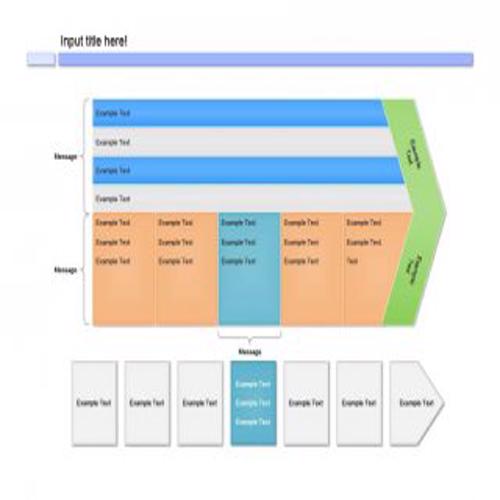
Colorful Value Chain Analysis Template
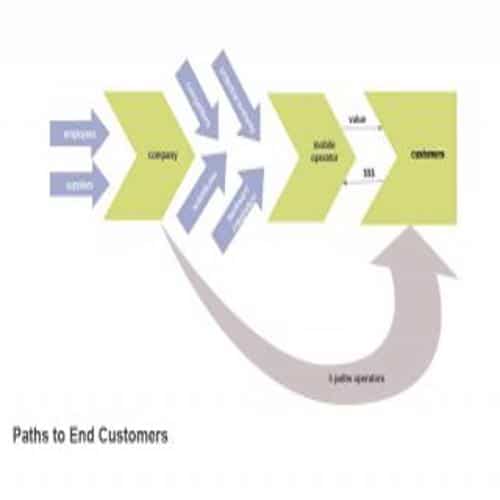
Company’s Value Chain Analysis Template
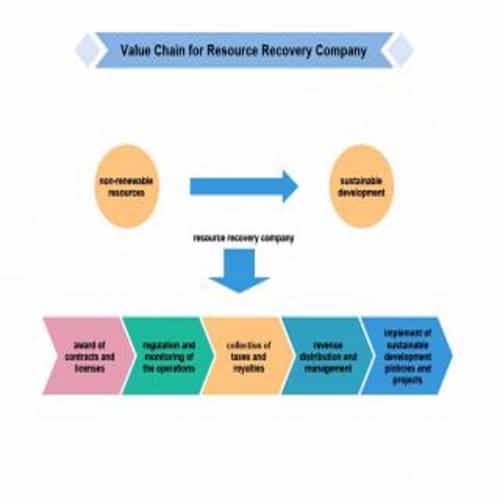
Sample Value Chain Analysis
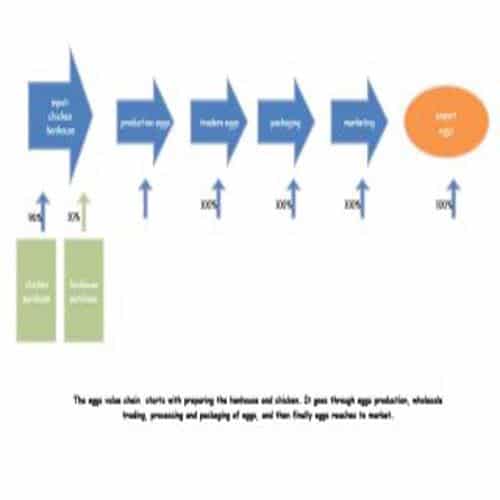
Porter Value Chain Analysis
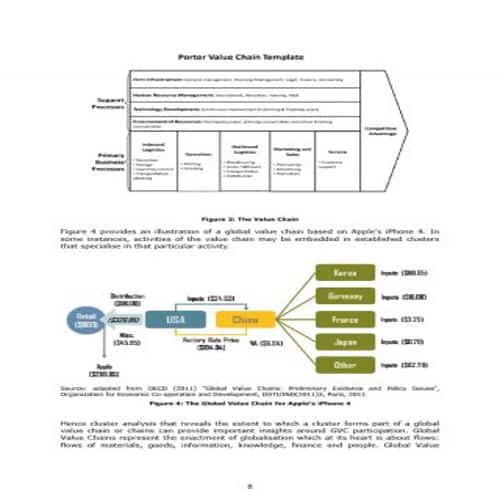
Product’s Value Chain Analysis
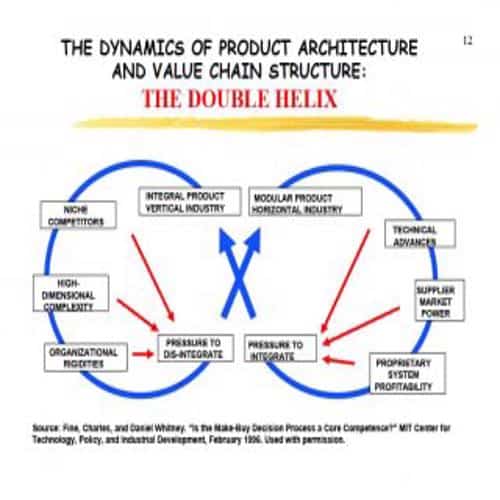
Detailed Value Chain Analysis
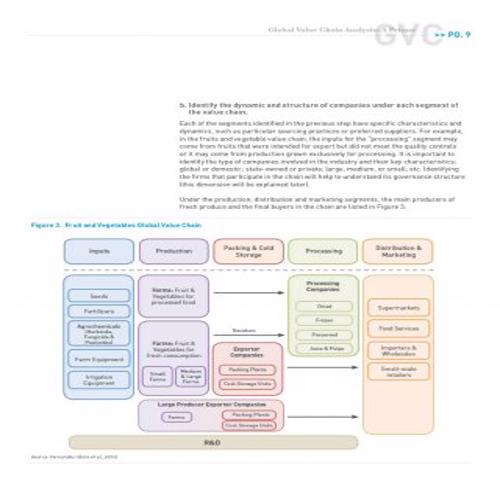
Unique Value Chain Analysis Template
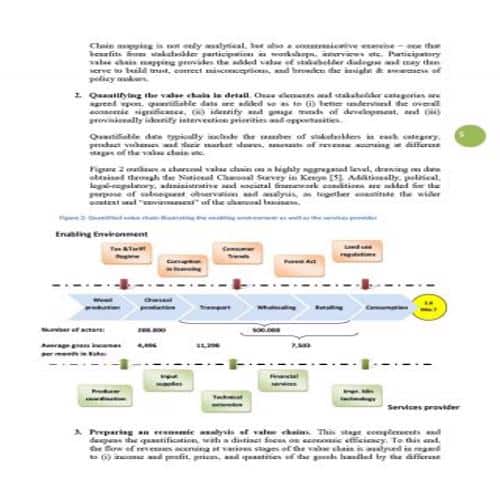
Porter’s Value Chain Analysis Model Template
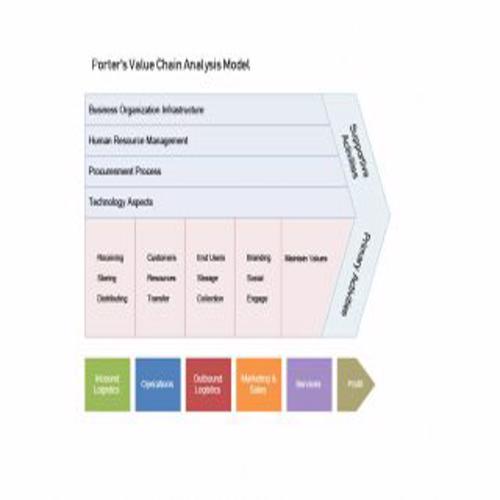
Public Products Value Chain Analysis
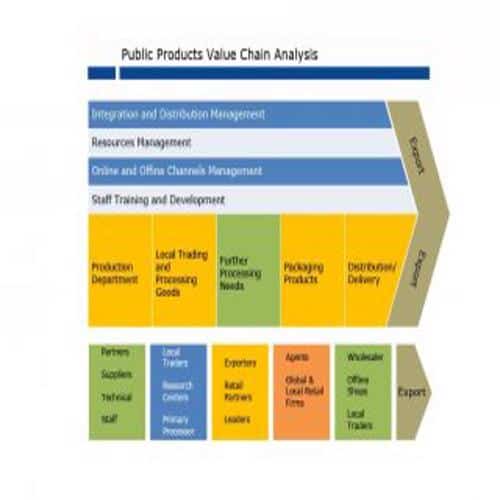
Value Chain Analysis Example
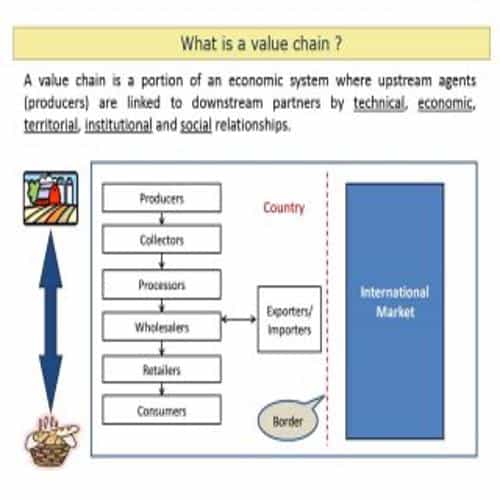
Vegetable Value Chain Analysis Design
Value Chain Analysis Mapping Template
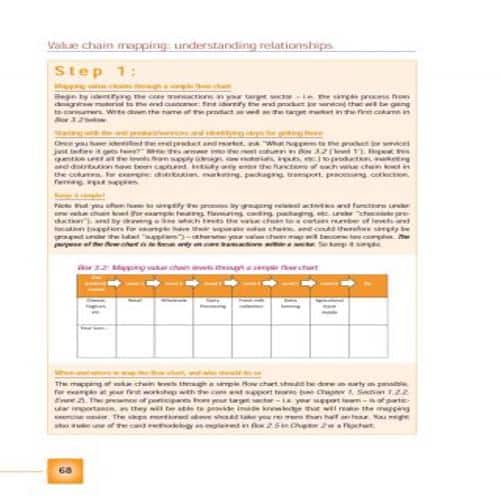
Network Value Chain Analysis
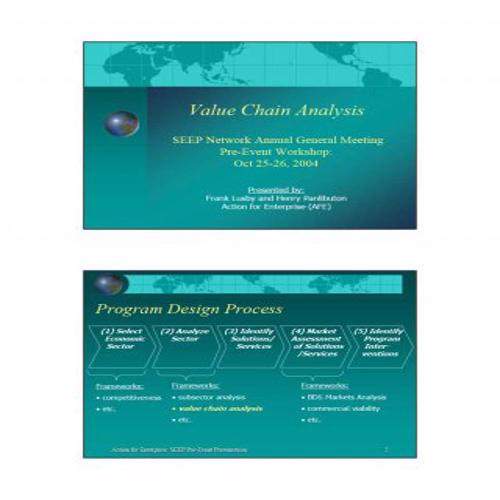
Value Chain Analysis Stages
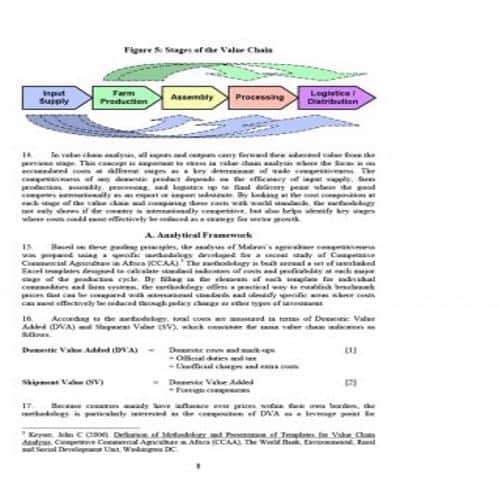
Value Chain and Supply Chain
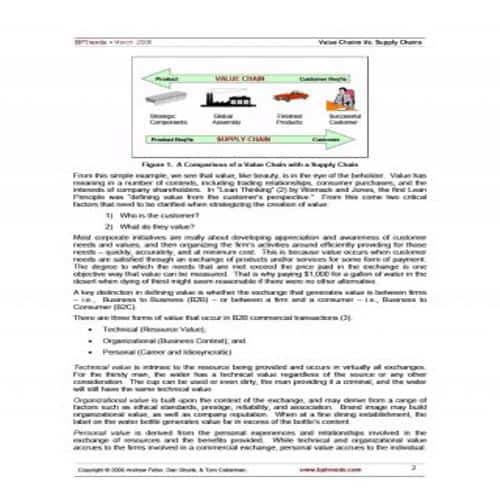
Stages of Value Chain Analysis
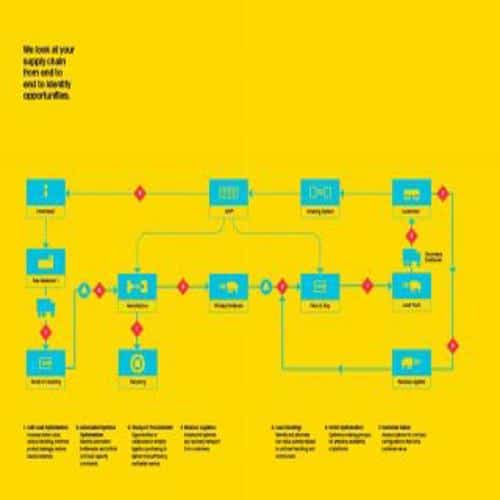
Things to consider for a Value Chain Analysis
For an effective value chain analysis, it is very important that you should have a clear understanding of:
- Your ideal target market.
- How your product will provide benefits to you target market.
- Who is your competitor and what they are offering.
The ultimate objective of a value chain analysis is that the entity has to select one of the following two options:
- Reduce the cost of your product. or
- Create a differentiation in your product to increase margins.
Competitive Advantage:
Competitive advantage means the factors or processes through which a business can compete with another business in the same market. The Cost of a product or service and its Differentiation are two main competitive advantages.
Cost:
A value chain analysis provides a plan offering the lowest cost in the market. If an entity maintains low costs of their products consistently, that means that the plan offered by their value chain analysis is efficient and effective. They keep their costs low by using low cost resources that contribute to the low cost of their product or service, thus increasing the profits.
Differentiation:
If you are providing differentiation in your product or service as compared to your competitor, the costs incurred can be higher. However, providing a unique or different product or service is not that easy. This will require extensive research and development, innovation and special resources etc. But if you develop a strategy to provide some different product or service, then you can set its reasonable price all on your own. This way, you can easily increase your profit margins.
Value Chain Analysis Examples in MS WORD
Brief Value Chain Analysis
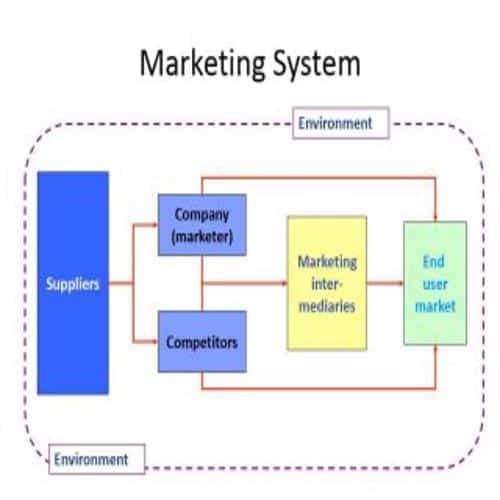
Extended Value Chain Analysis
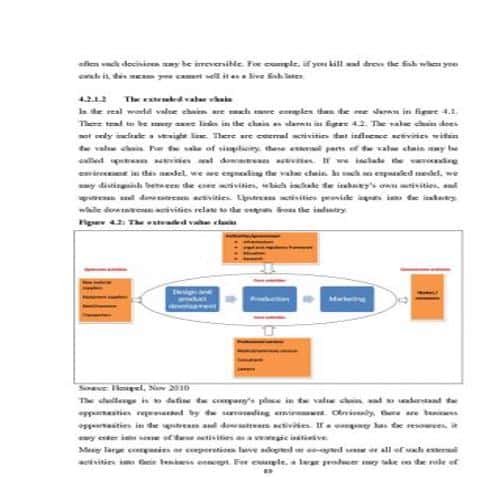
Formal Value Chain Analysis
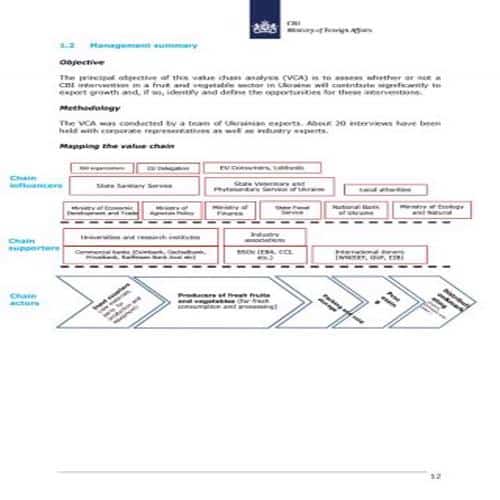
Informative Value Chain Analysis
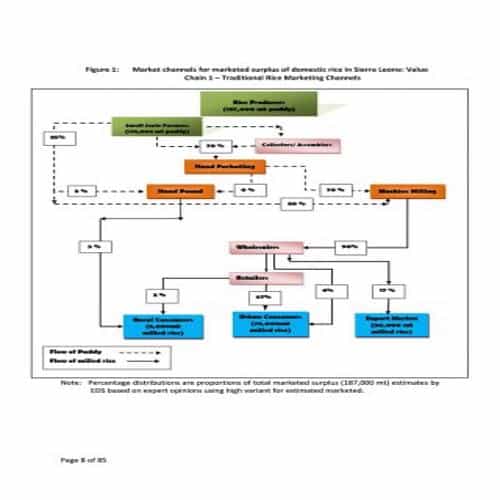
Value Chain Analysis Example
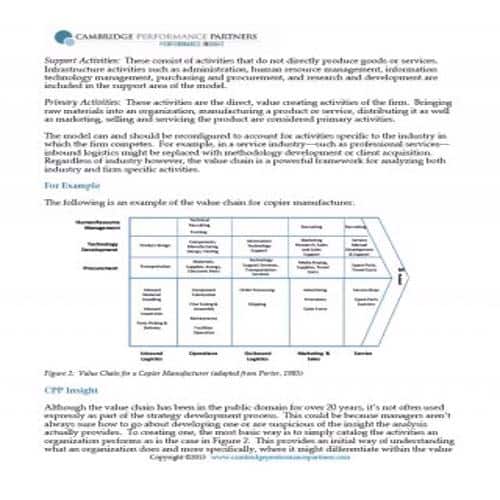
Value Chain Analysis Template
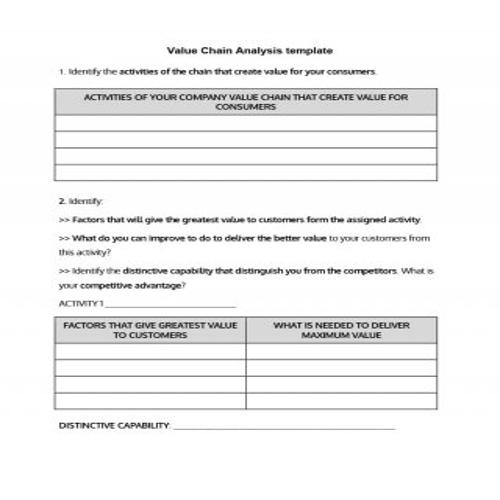
Value Chain Analysis Example
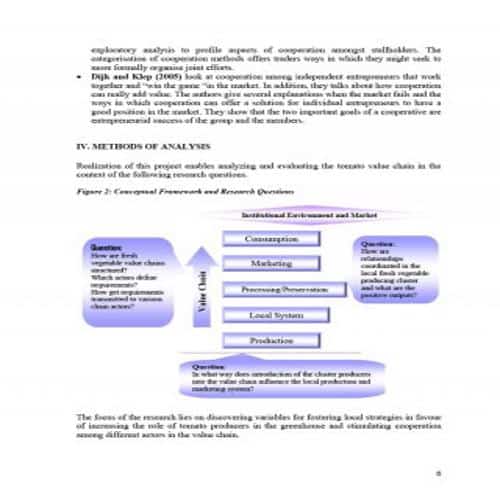
Value Chain Analysis Map
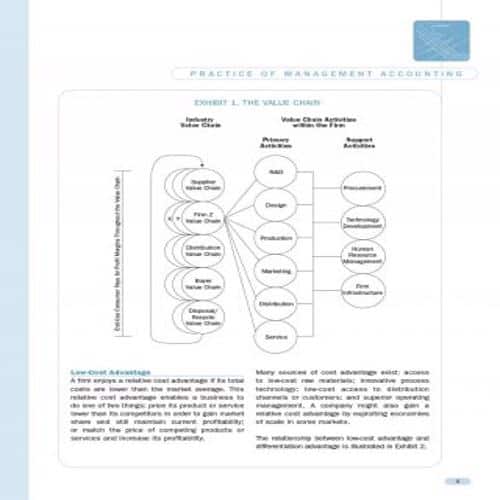
Academic Research Value Chain Analysis
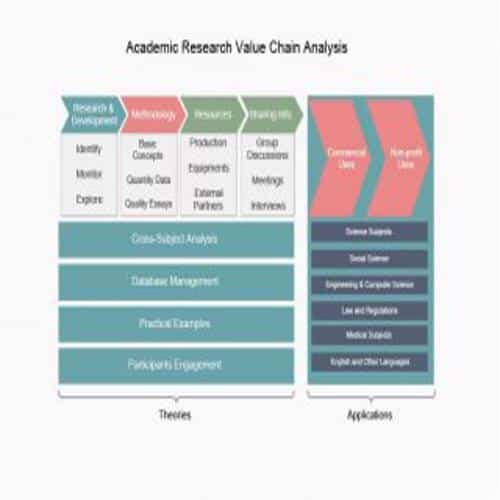
Sample Value Chain Analysis Diagram
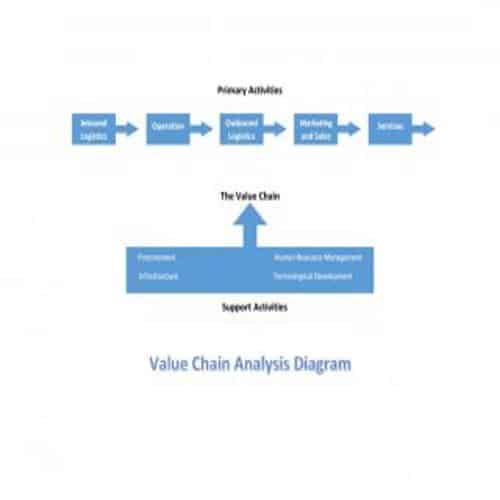
Sample Value Chain Analysis
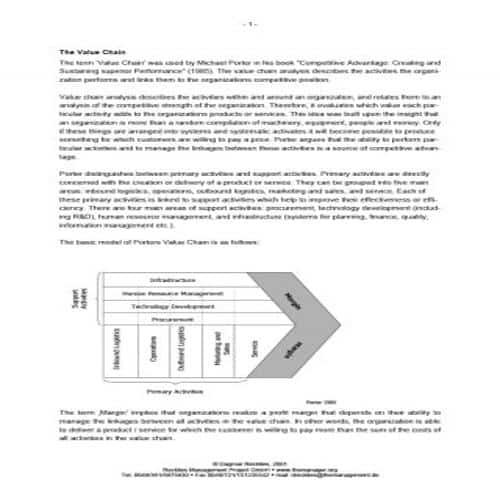
Customer Value Chain Analysis
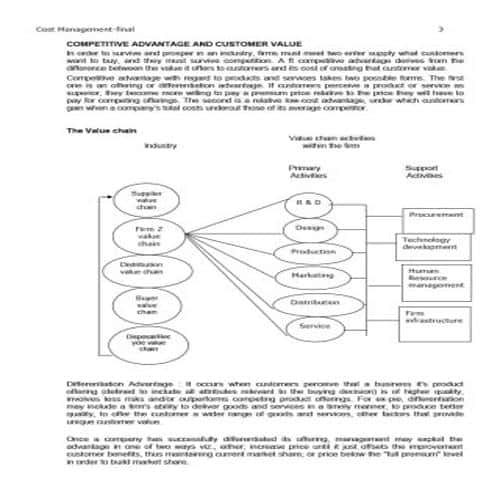
Detailed Value Chain Analysis Model
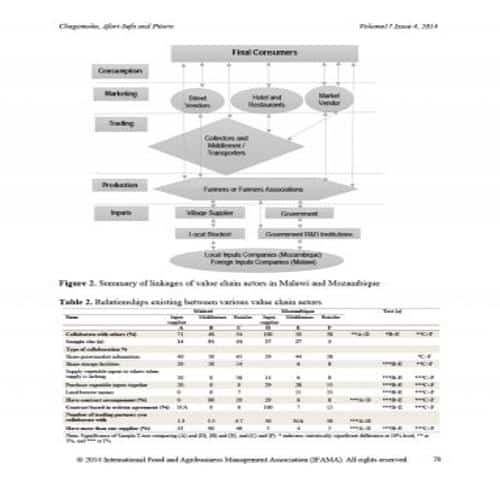
Stylish Value Chain Analysis Sample
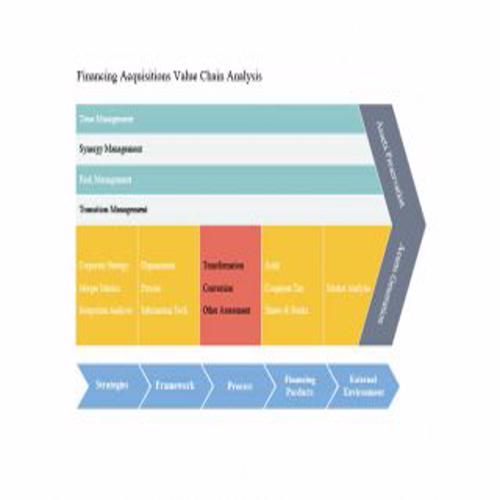
Official Value Chain Analysis Template
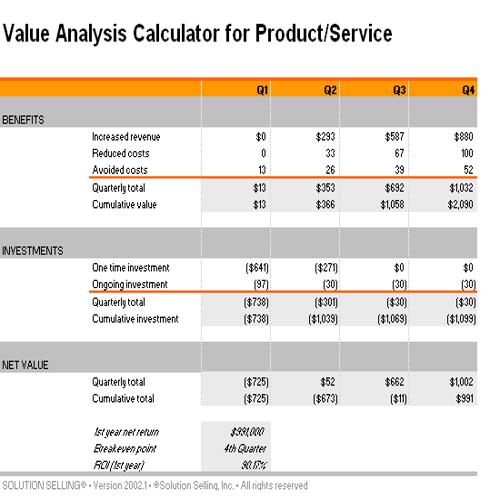
Value Analysis Calculator for Product/Service
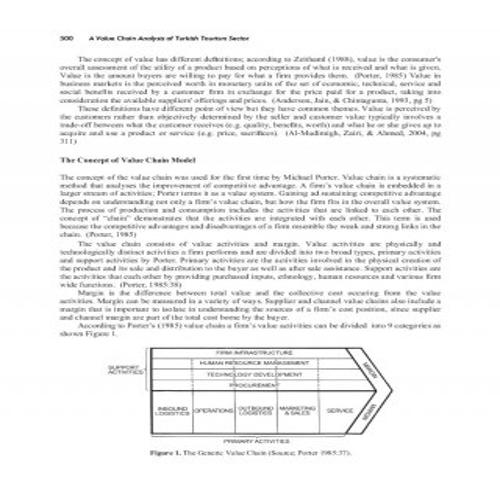
Primary and Support Activities
For preparing an effective value chain analysis of your business, you are required to determine the primary and support activities of your business. These are the most significant processes that are necessarily required for the completion of your product or service.
Primary Activities:
Following are some of the important ‘primary’ activities:
- Acquisition: This includes how you get the resources and materials from suppliers, which are required necessarily for the completion of the product or service.
- Operations: This includes the plan of using the available resources and materials for the manufacturing of final product or service.
- Giving Out: This involves the distribution and supply of the final product or service in the target market.
- Marketing and Advertisement: This includes the plan of properly presenting and selling your final product or service in the target market.
- Services: This involves supporting the customer after selling your product. Usually it includes installation, training, guarantees and warranties etc.
Support Activities:
Support activities are those which helps to perform primary activities effectively. Some of the support activities are as follows:
Infrastructure: The infrastructure means the infrastructure of the business as a whole. It includes all the current financial, non-financial,legal and management systems of the business which are involved in decision making and resource management.
Technology: It plays an important role in increasing the overall efficiency of the business and in supporting its primary activities. The competitive advantage of ‘Cost’ or ‘Differentiation’ can be get easily, with the help of development in technology.
Management of Human Resource: It includes all the systems and processes which are in place for the management of existing as well as newly hired employees. Professionally trained and qualified employees is also another important competitive advantage.
Procurement: It means the process by which you find and obtain the materials and resources required. Your main concern should be to obtain best quality materials and resources without compromising quality, and still remaining within your budget.
Value Chain Analysis Samples in PDF
Value Chain Analysis Format
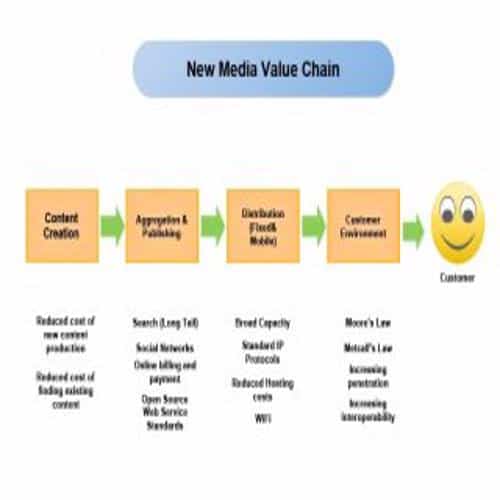
Media Value Chain Analysis
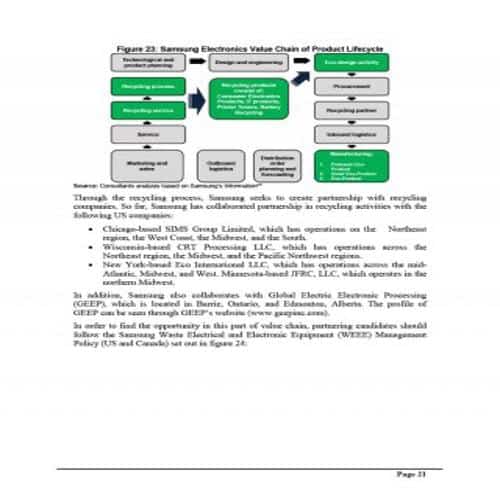
Electronics Product Value Chain Analysis
Explanatory Value Chain Analysis Template
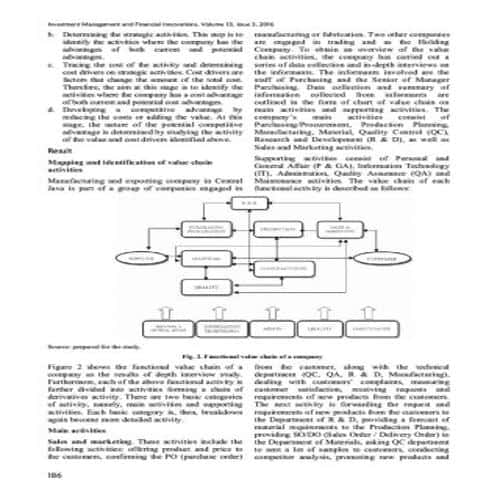
Company’s Value Chain Analysis Sample
Complete Value Chain Analysis Template
Best Quality Value Chain Analysis Sample Templates & Examples: Practical Guide
These best quality value chain analysis sample templates & examples are designed to help users turn work into visible, assignable, and measurable actions. A strong best quality value chain analysis sample template & example is more than an attractive layout: it should guide the user through the right information in a sensible order, make important details easy to verify, and produce a finished record that another person can understand without extra explanation.
Begin by reviewing the preview images and download options on this page. Choose the version that most closely matches your real purpose, software, paper size, and level of detail. Download a clean copy, save the original as a master, and edit a duplicate. This simple workflow protects the source file and makes later revisions much easier.
What to Include in a Best Quality Value Chain Analysis Sample template & example
The exact content depends on the situation, but a dependable planning and tracking tool normally needs the following information:
- Objective, owner, and reporting period. Add complete, current information and use the same terminology throughout the document.
- Tasks, milestones, dependencies, and deadlines. Add complete, current information and use the same terminology throughout the document.
- Status, priority, and completion criteria. Add complete, current information and use the same terminology throughout the document.
- Resources, costs, risks, and constraints. Add complete, current information and use the same terminology throughout the document.
- Notes, evidence, and escalation details. Add complete, current information and use the same terminology throughout the document.
- Review dates, approvals, and version control. Add complete, current information and use the same terminology throughout the document.
Only retain sections that serve a genuine purpose. If a field is required but does not apply, use an approved notation such as “Not applicable” instead of leaving an unexplained blank. Where the document affects money, rights, employment, safety, or regulatory duties, have a qualified person review the customized version before it is issued or signed.
How to Choose the Best Best Quality Value Chain Analysis Sample template & example
Compare templates by substance before appearance. Check whether the structure reflects the actual workflow, whether the available fields are sufficient, and whether the file can be edited in the software you use. A shorter template that matches the task is usually better than a complicated design filled with irrelevant sections.
Also test practical details. Open the file, type realistic sample information, check tables and page breaks, verify that formulas or totals behave correctly, and print or export one test copy. If several people will use the document, ask someone unfamiliar with it to complete or review the test. Their questions often reveal unclear labels, missing instructions, or a poor sequence.
Step-by-Step Customization
- Define the purpose. Write one sentence describing what the completed best quality value chain analysis sample template & example must record, communicate, approve, or help someone decide.
- Select the closest layout. Match the sections and workflow first; fonts, colors, and branding can be adjusted later.
- Replace every sample entry. Verify spelling, dates, amounts, addresses, identifiers, and references against reliable source records.
- Adapt the structure. Add genuinely required fields, remove irrelevant clauses or columns, and arrange the content in the order users need it.
- Apply consistent formatting. Use clear heading levels, readable type, adequate spacing, aligned tables, and a restrained color palette.
- Review and approve. Assign a responsible person to check accuracy, completeness, calculations, and authorization.
- Control the final version. Use a descriptive filename, include the revision date when appropriate, and store the editable and final copies securely.
Common Mistakes to Avoid
The most common problems with best quality value chain analysis sample templates & examples include unclear ownership, unrealistic deadlines, duplicate entries, missing dependencies, statuses that are not updated. Users also sometimes preserve instructions, example data, tracked changes, hidden comments, or blank pages from the source file. Complete a final content review and a separate visual review before distribution.
A template should not be presented as an official record from a bank, government office, court, school, employer, or other institution unless it has actually been issued or authorized by that organization. Do not add seals, signatures, certifications, or claims that could mislead the recipient.
Quality-Control Checklist
- Every placeholder, instruction note, and sample value has been replaced or removed.
- Names, dates, amounts, calculations, contact details, and references have been verified.
- Headings, labels, capitalization, numbering, and terminology are consistent.
- Required evidence, attachments, signatures, approvals, and submission details are identified.
- Links, formulas, tables, page numbers, margins, and page breaks have been tested.
- The final copy contains no comments, tracked changes, hidden data, or confidential examples.
Frequently Asked Questions
Are these best quality value chain analysis sample templates & examples editable?
Yes. Use the available download format to change text, fields, tables, colors, and branding. Keep an untouched master copy so the original structure remains available.
Which format should I use?
Word is suitable for text-heavy documents and flexible page layouts. Excel is better for calculations, recurring logs, schedules, or structured data. PDF is useful for a final copy whose appearance should remain fixed. Choose the format offered by the specific download and appropriate to your workflow.
Can I use a downloaded best quality value chain analysis sample template & example for professional purposes?
It can provide a useful starting point, but it must be customized for the organization, transaction, audience, and applicable rules. Seek professional advice where legal rights, financial obligations, safety, compliance, or formal employment decisions are involved.
How do I make the document easier to complete?
Use short labels, plain instructions, a logical order, enough writing space, and examples only where they clarify the expected response. Mark mandatory fields consistently and avoid requesting information that is not needed.
What should I check before sharing it?
Proofread the wording, verify facts and calculations, test printing and links, confirm authorization, remove editing marks, and make sure the filename clearly identifies the approved version.
