
A policy brief is a short document that explains a public issue and recommends what decision-makers should do about it. It turns research into plain, practical advice that a busy official can read in a few minutes. Think tanks, nonprofits, government analysts and graduate students write them for legislators, ministries, funders and agency heads.
This collection includes 45 policy brief templates and examples, free to download and edit. The layouts follow a standard policy brief format: a sharp title, a short summary, the evidence and clear recommendations. The finished policy brief examples show how much detail fits on two to four pages.
Write for one specific reader, such as a city council member or a ministry official, and put your main recommendation in the first paragraph. Many readers will stop there, so make it count.
A policy brief often leads to a more detailed request. You may also need our policy proposal templates, problem statement templates to frame the issue, and logic model templates to show how a policy is expected to work.
Simple Policy Brief Templates
Policy Brief Template

Policy Brief Template
Policy Brief Template

Policy Brief Template

Policy Brief Template

Policy Brief Template

Policy Brief Template

Policy Brief Template

Policy Brief Template

Policy Brief Template

Policy Brief Template

Policy Brief Template

Policy Brief Template

Policy Brief Template

Policy Brief Template

How to write a Policy Brief
Usually, a policy brief consists of three main sections. These three sections are mentioned below:
1. Target Audience:
As with any piece of writing, it is important to identify your target audience. In a policy brief, specify the audience you want to address.
Clearly state the people and the region that the policies will affect. Also explain why the topic is important to the target audience.
2. Framework:
The framework of a policy brief must be clear, simple and professional. Use headings and subheadings to divide the content of the document. Highlight the important points of the policy brief at the very beginning. Wherever practical, use charts and diagrams to support the content.
3. Content/Material:
The content of a policy brief must include:
- An impressive headline.
- A clear and simple briefing.
- Evidences for your arguments.
- Relevant statistics or analysis.
- The expected results and conclusions of the policies specified in the policy brief.
- The formal tone and language.
- Text divided into paragraphs and bullet points, where applicable.
- Reference or source of your information.
Policy Brief Formats
Policy Brief Template
Policy Brief Template
Policy Brief Template
Policy Brief Template
Policy Brief Template
Policy Brief Template
Policy Brief Template
Policy Brief Template
Policy Brief Template
Policy Brief Template
Policy Brief Template
Policy Brief Template
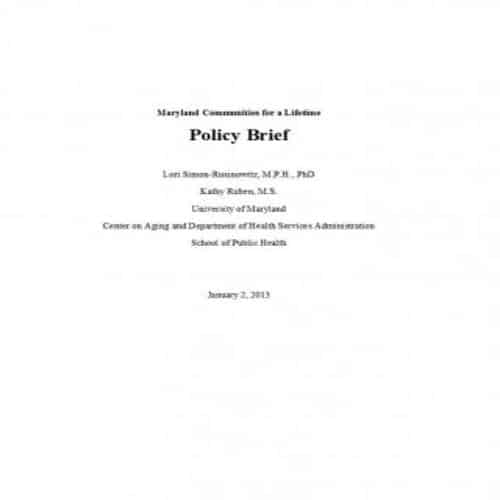
Policy Brief Template
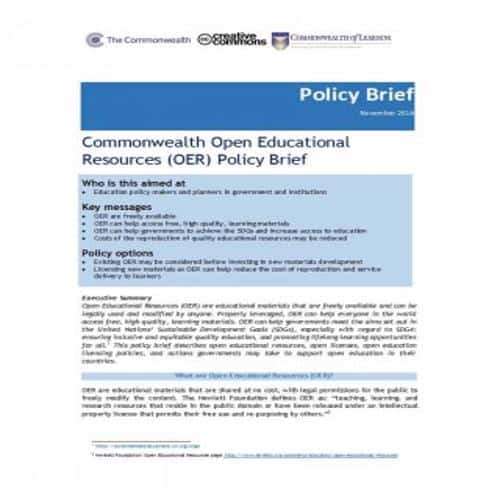
Policy Brief Template
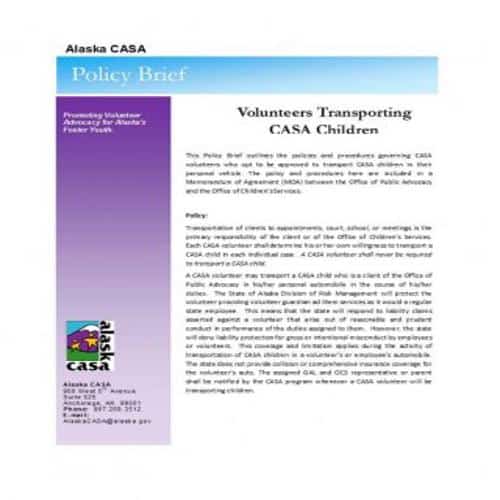
Policy Brief Template
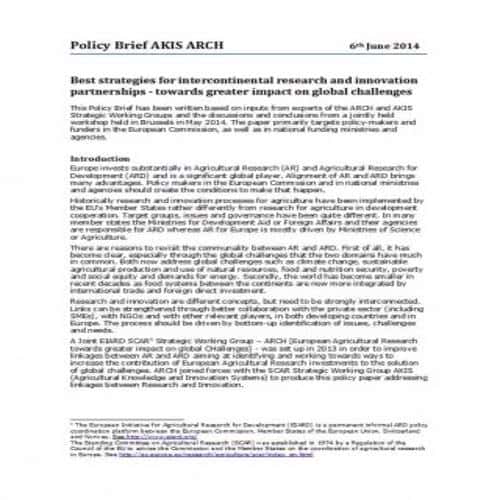
Useful Tips for an writing an effective Policy Brief
In order to write an effective policy brief, make sure to consider these useful tips:
- Start by creating a proper thesis statement, so as to be able to organize your writing.
- Perform proper research in order to support your thesis statement. Consult the relevant books, or browse through the internet.
- Draft your thesis statement. At this stage, don’t worry about the framework of the document. Just complete the draft with the necessary information you have collected.
- Once the draft is complete, make an outline that highlights the main points of your content. With this outline, you can easily pick out the material you want to keep in the final version.
- After that, write a proper summary of your policy brief. This summary will appear on the cover of the policy brief, so check it carefully for mistakes.
- Focus your writing on results and outcomes rather than on the methods used to arrive at them.
- At the end, include a paragraph that encourages readers to take action based on the information in the document.
- Before finalizing your policy brief, review it carefully for spelling, grammar and any other errors.
Special Policy Brief Templates
Policy Brief Template

Policy Brief Template

Policy Brief Template

Policy Brief Template

Policy Brief Template

Policy Brief Template

Policy Brief Template

Policy Brief Template

Policy Brief Template

Policy Brief Template

Policy Brief Template

Policy Brief Template

Policy Brief Template

Policy Brief Template

Policy Brief Template

Writing a Policy Brief Around a Decision
Choose a brief format suited to the decision-maker and the action they can take. The document should explain the problem, assess options and make a supported recommendation.
- Identify the decision, audience and time frame.
- Summarize the strongest relevant evidence and compare feasible options.
- Recommend an action with implementation considerations and clear limitations.
Worked Example
Example: a brief on delayed permit processing can compare changes to intake guidance, staffing allocation and workflow. It should explain the evidence for each option and its trade-offs rather than assume new software is the answer. The recommendation should tell the reader what decision is requested.
Common Mistakes to Avoid
Avoid disguising uncertain evidence as settled fact. Distinguish the source’s findings from your interpretation and provide enough source detail for readers to check important claims.
Related Templates
- Policy Proposal Templates
- Problem Statement Templates
- Company Profile Templates
- Pareto Chart Templates
Frequently Asked Questions
How is a policy brief different from a report?
A brief is organized around a specific policy decision and its options. A longer report may document the research in depth without asking for an immediate choice.
Should I include opposing evidence?
Address material limitations and competing considerations. A recommendation is more credible when readers can see the relevant trade-offs.
