
Quick picks
A value chain analysis looks at each activity a business performs, from sourcing materials to after-sales service, to see where it adds value and where it adds cost. The method comes from Michael Porter, who split activities into primary and support groups. Strategy teams, consultants, MBA students and business owners use it to find cost savings or build a competitive edge.
This page has 38 value chain analysis templates and examples. Several follow Porter’s value chain model directly, while others focus on a single company or product. A detailed version breaks each activity into costs and value drivers, and a value chain analysis example shows the method filled in. Every value chain diagram is editable.
Map activities as they happen in your business today, not as the textbook lists them. A software company’s “inbound logistics” looks nothing like a manufacturer’s.
Value chain analysis is often combined with other strategy tools. See our industry analysis templates for the wider market, decision matrix templates for comparing options, and business model templates to map how the company creates value.
Value Chain Analysis Templates in MS Word
Colorful Value Chain Analysis Template
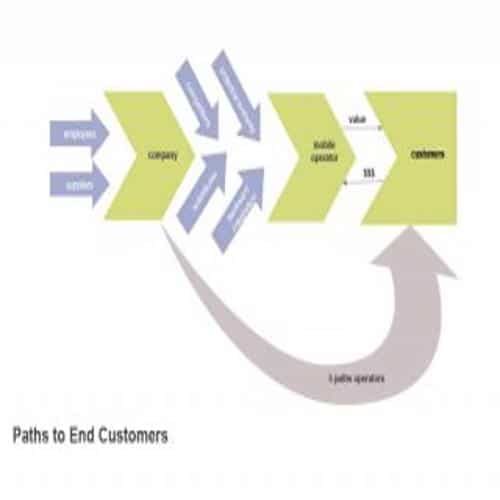
Company’s Value Chain Analysis Template
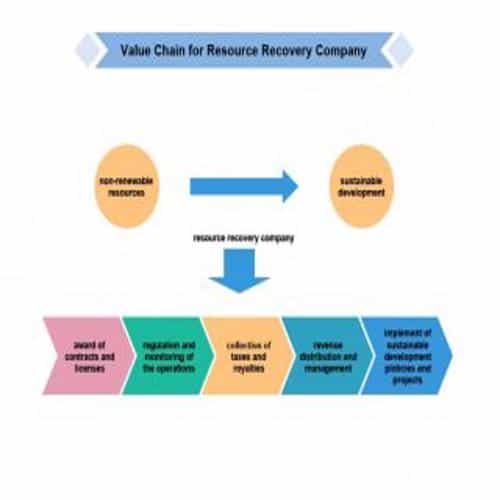
Sample Value Chain Analysis
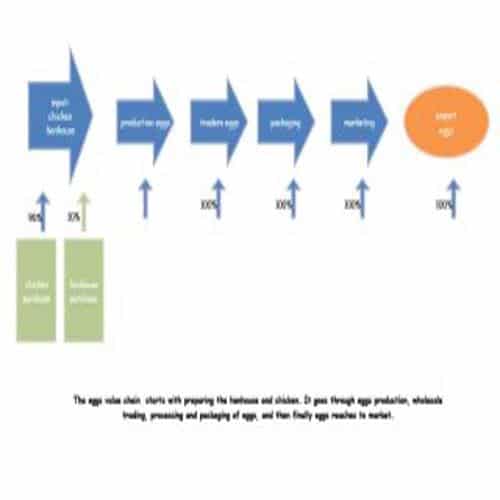
Porter Value Chain Analysis
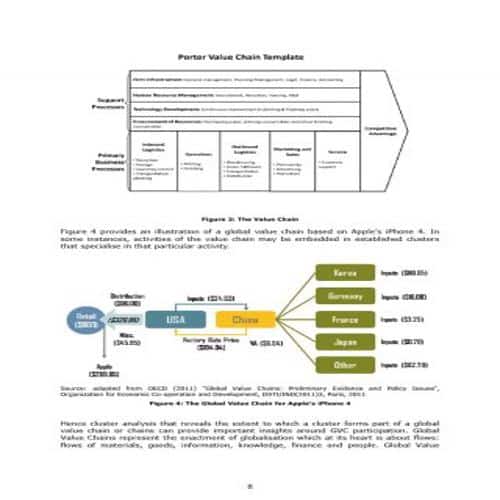
Product’s Value Chain Analysis
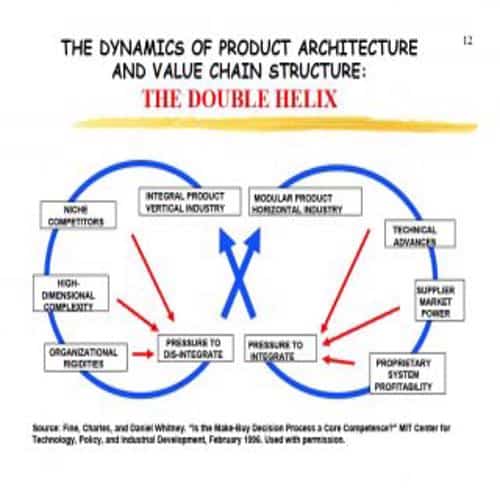
Detailed Value Chain Analysis
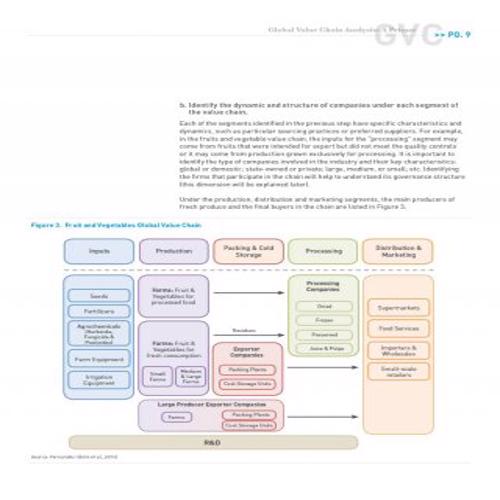
Unique Value Chain Analysis Template
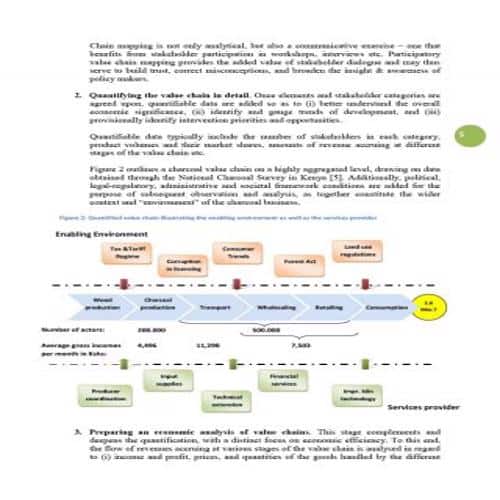
Porter’s Value Chain Analysis Model Template
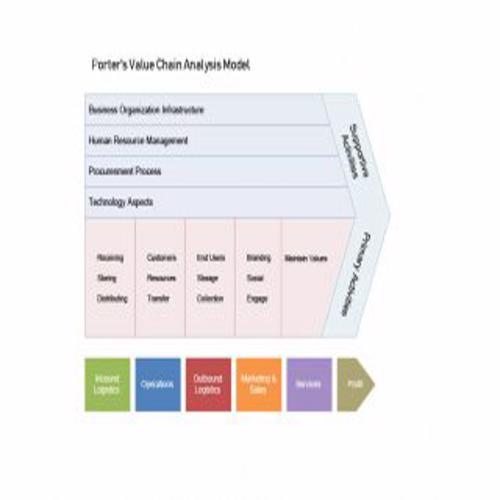
Public Products Value Chain Analysis
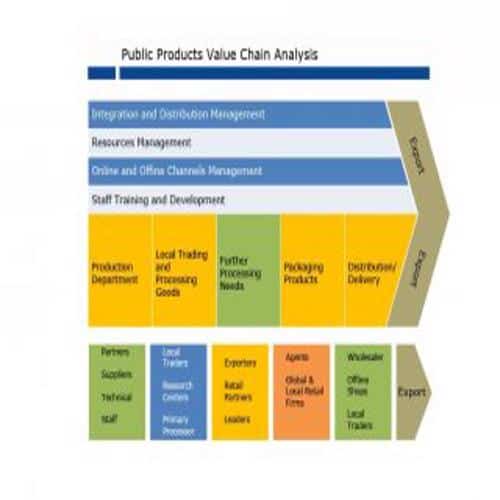
Value Chain Analysis Example
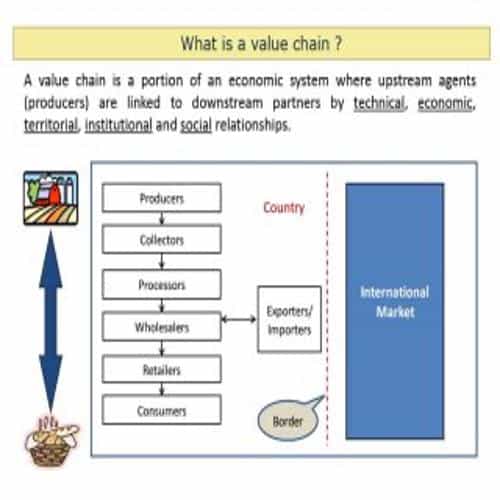
Vegetable Value Chain Analysis Design
Value Chain Analysis Mapping Template
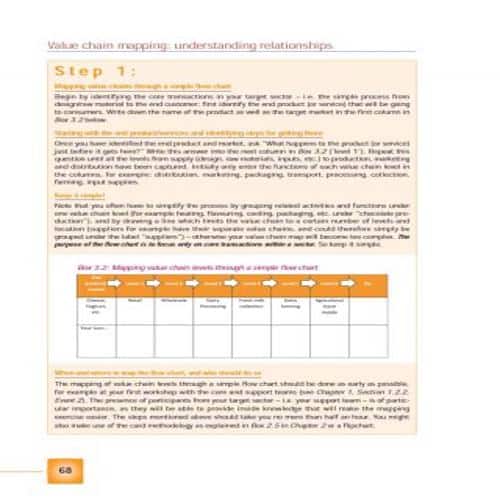
Network Value Chain Analysis
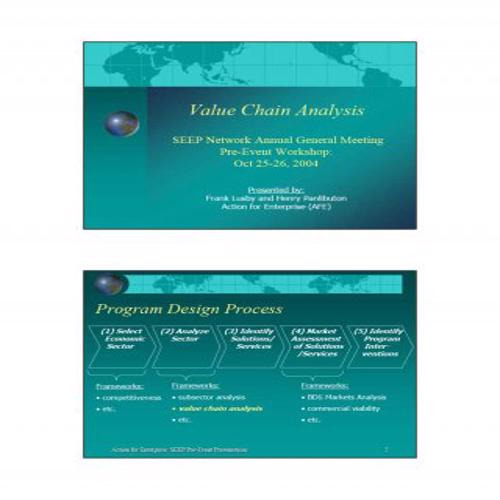
Value Chain Analysis Stages
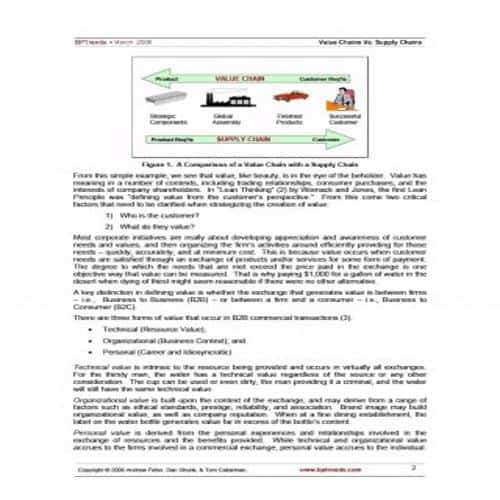
Value Chain and Supply Chain
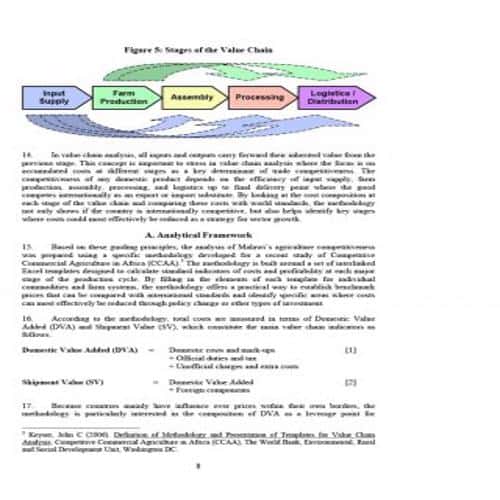
Stages of Value Chain Analysis
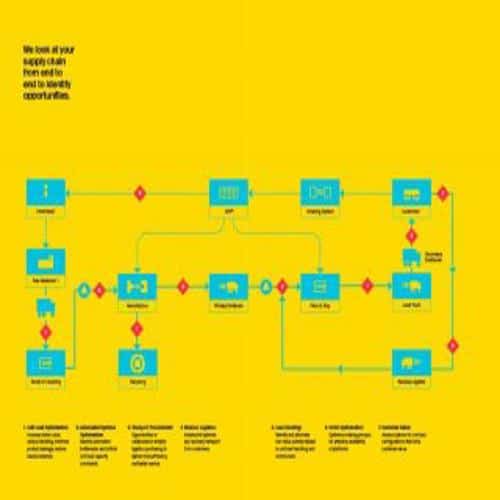
Things to consider for a Value Chain Analysis
For an effective value chain analysis, it is very important that you should have a clear understanding of:
- Your ideal target market.
- How your product will provide benefits to you target market.
- Who is your competitor and what they are offering.
The ultimate objective of a value chain analysis is for the business to choose one of the following two options:
- Reduce the cost of your product. or
- Create a differentiation in your product to increase margins.
Competitive Advantage:
Competitive advantage means the factors or processes through which a business can compete with other businesses in the same market. The Cost of a product or service and its Differentiation are two main competitive advantages.
Cost:
A value chain analysis provides a plan for offering the lowest cost in the market. If a business consistently keeps its product costs low, the plan from its value chain analysis is efficient and effective. It keeps costs low by using low-cost resources, which lowers the cost of its product or service and increases profits.
Differentiation:
If you differentiate your product or service from your competitor’s, your costs can be higher. Providing a unique product or service is not easy. It requires extensive research and development, innovation and special resources. But if you develop a strategy to offer a different product or service, you can set a reasonable price for it yourself. This way, you can easily increase your profit margins.
Value Chain Analysis Examples in MS WORD
Brief Value Chain Analysis
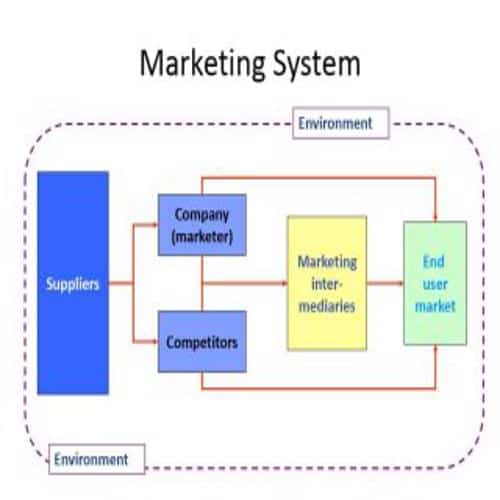
Extended Value Chain Analysis
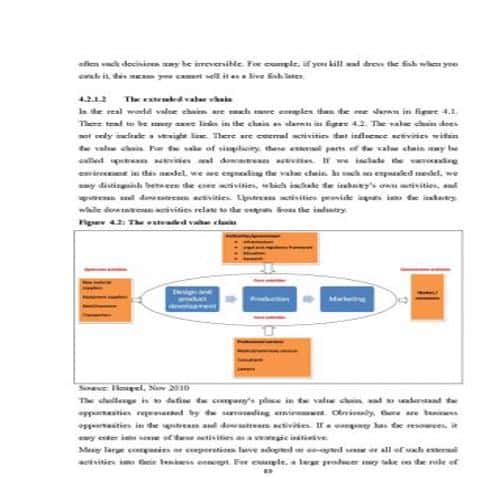
Formal Value Chain Analysis
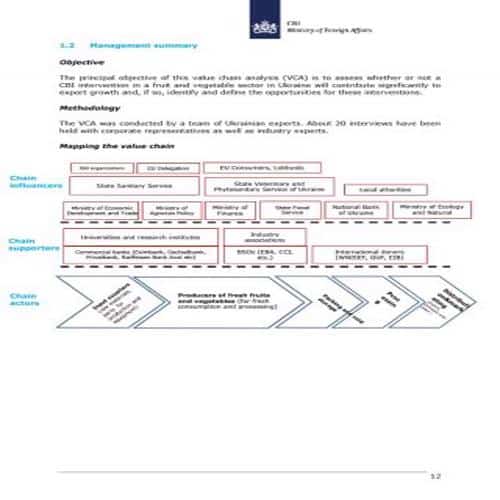
Informative Value Chain Analysis
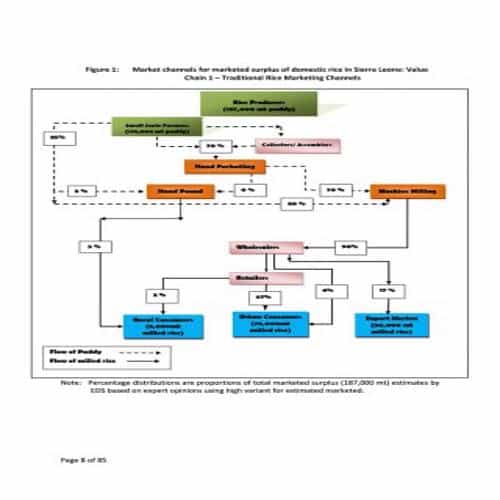
Value Chain Analysis Example
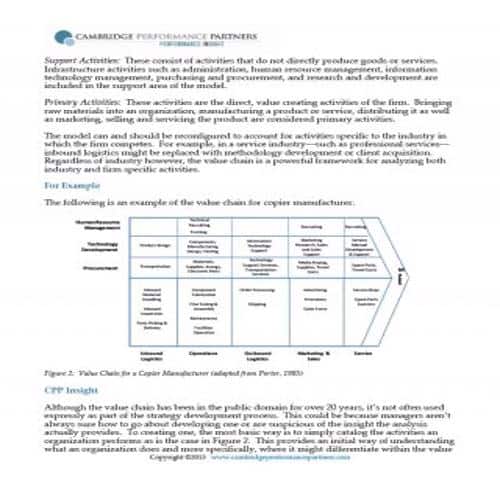
Value Chain Analysis Template
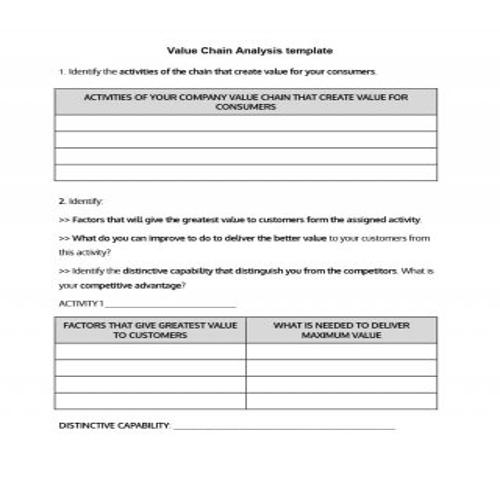
Value Chain Analysis Example
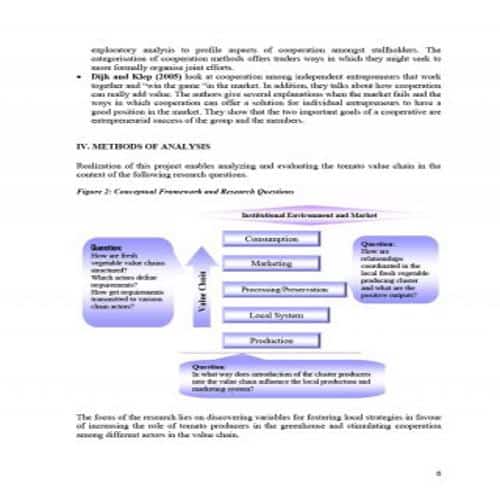
Value Chain Analysis Map
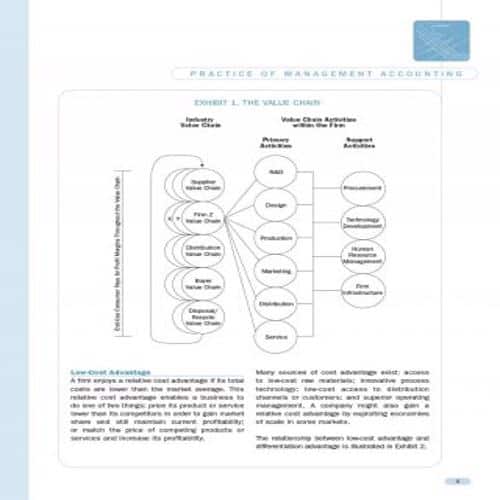
Academic Research Value Chain Analysis
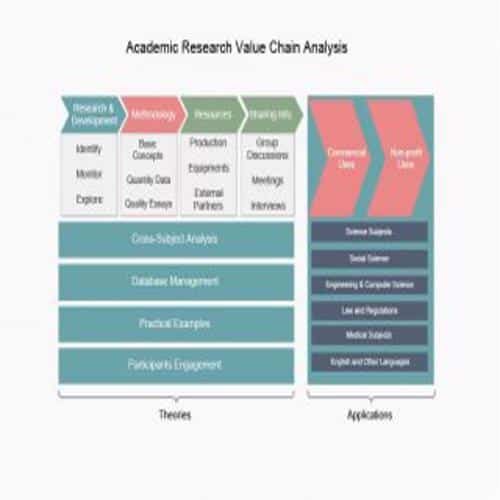
Sample Value Chain Analysis Diagram
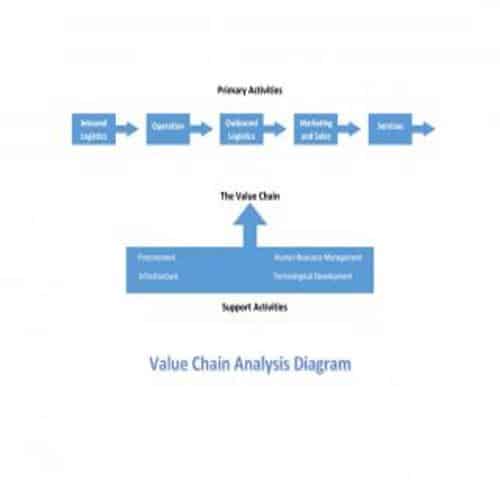
Sample Value Chain Analysis
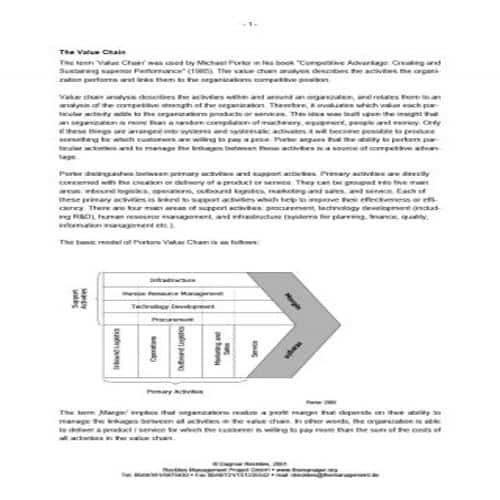
Customer Value Chain Analysis
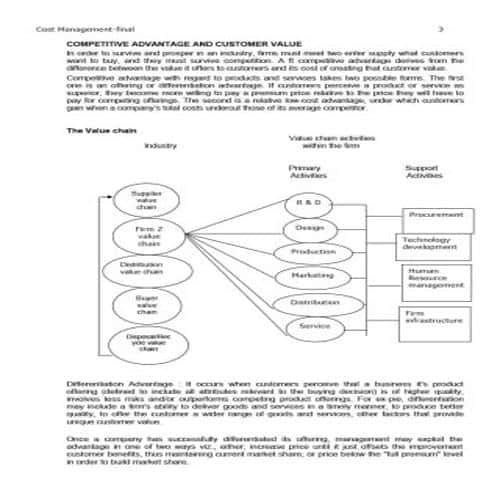
Detailed Value Chain Analysis Model
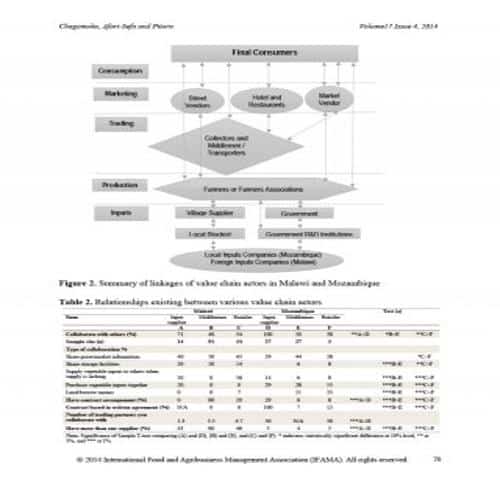
Stylish Value Chain Analysis Sample
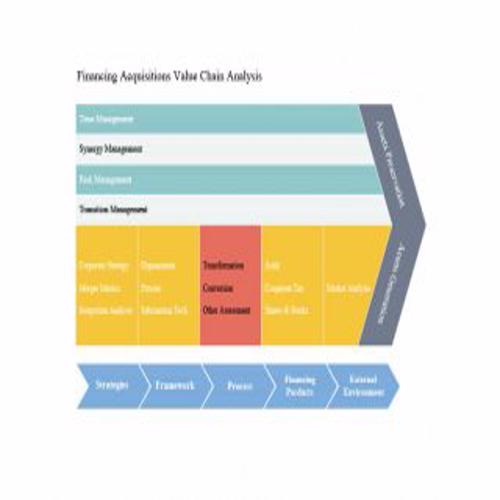
Official Value Chain Analysis Template
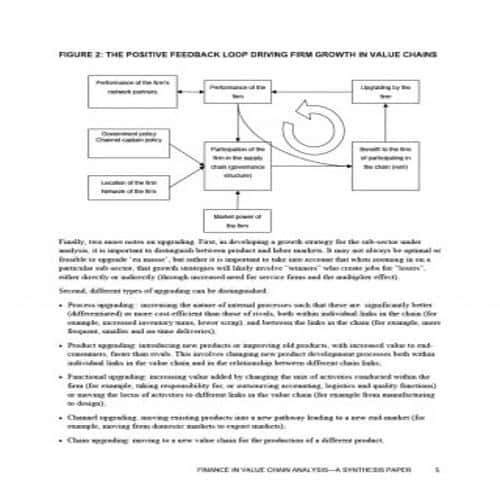
Value Analysis Calculator for Product/Service
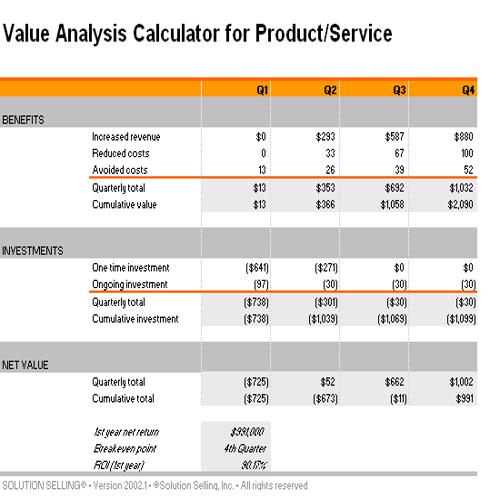
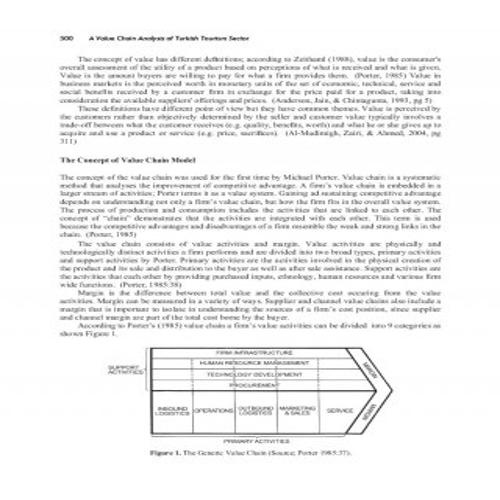
Primary and Support Activities
For preparing an effective value chain analysis of your business, you are required to determine the primary and support activities of your business. These are the most significant processes required to complete your product or service.
Primary Activities:
Following are some of the important ‘primary’ activities:
- Acquisition: This includes how you get the resources and materials from suppliers that are required to complete the product or service.
- Operations: This includes the plan of using the available resources and materials for the manufacturing of final product or service.
- Giving Out: This involves the distribution and supply of the final product or service in the target market.
- Marketing and Advertisement: This includes the plan of properly presenting and selling your final product or service in the target market.
- Services: This involves supporting the customer after selling your product. Usually it includes installation, training, guarantees and warranties etc.
Support Activities:
Support activities are those which helps to perform primary activities effectively. Some of the support activities are as follows:
Infrastructure: This means the infrastructure of the business as a whole. It includes all the current financial, non-financial, legal and management systems of the business that are involved in decision making and resource management.
Technology: It helps increase the overall efficiency of the business and supports its primary activities. Developments in technology make it easier to gain the competitive advantage of ‘Cost’ or ‘Differentiation’.
Management of Human Resource: It includes all the systems and processes in place for managing existing and newly hired employees. Professionally trained and qualified employees are another important competitive advantage.
Procurement: This is the process by which you find and obtain the materials and resources you need. Your main concern should be to obtain good materials and resources without compromising quality, while staying within your budget.
Value Chain Analysis Samples in PDF
Value Chain Analysis Format
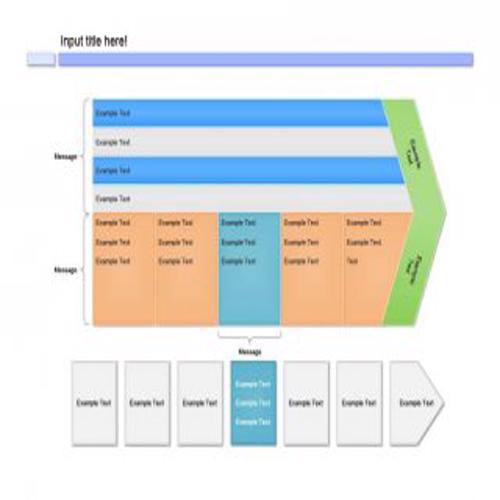
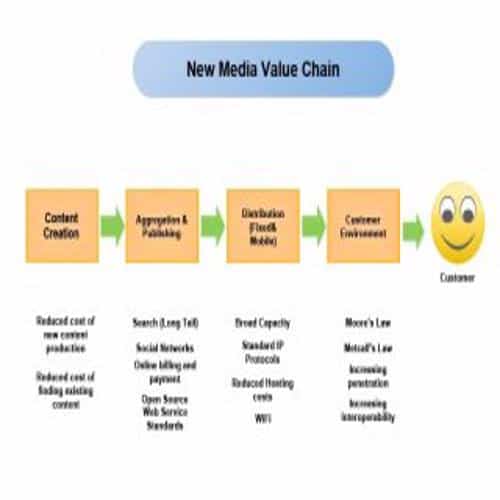
Media Value Chain Analysis
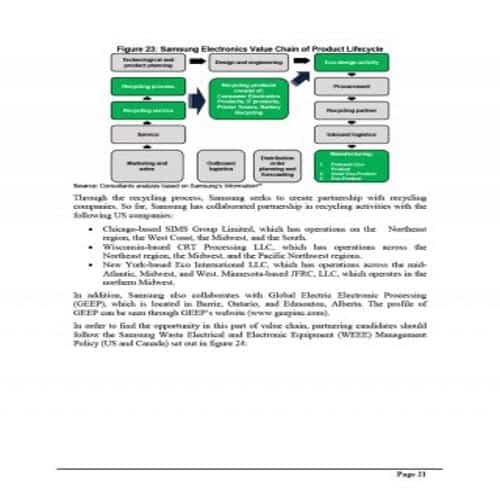
Electronics Product Value Chain Analysis
Explanatory Value Chain Analysis Template
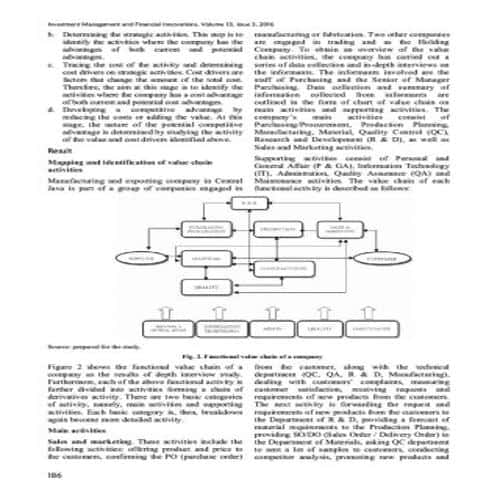
Company’s Value Chain Analysis Sample
Complete Value Chain Analysis Template
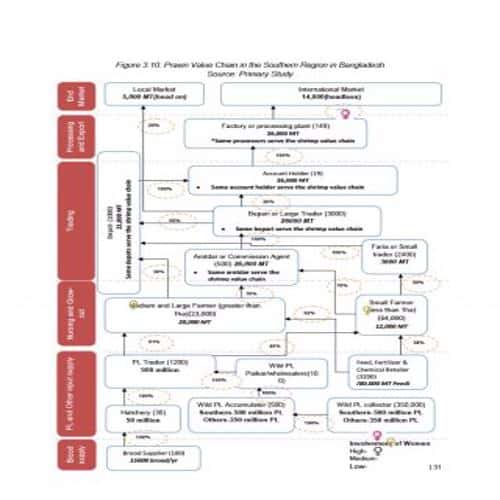
Mapping a Value Chain to a Real Business
Choose the activities around how the organization creates and delivers value. A manufacturing example should not be copied unchanged into a service business.
- Define the product or service and the customer outcome being examined.
- Map the activities, supporting functions and handoffs involved.
- Identify evidence of cost, delay or differentiation and prioritize improvements.
Worked Example
Example: a repair service may create value through diagnosis, parts sourcing, repair and customer communication. A bottleneck in parts approval can affect turnaround even when technicians work efficiently. Mapping the handoff helps the team investigate the actual source of delay.
Common Mistakes to Avoid
Avoid assuming every activity should simply be made cheaper. Reducing effort in an activity that protects quality may damage the customer outcome.
Related Templates
- Decision Matrix Templates
- Industry Analysis Templates
- Logic Model Templates
- Feasibility Report Templates
Frequently Asked Questions
Is a value chain the same as a process map?
A process map shows the sequence of work. Value-chain analysis examines how activities contribute to cost, differentiation and customer value; the two tools can support each other.
Where should I get the data?
Use records, observations and interviews relevant to the activity. Label assumptions and avoid treating a diagram alone as evidence of performance.
