
If you are a teacher looking for a lesson plan, then you are at the right place. In this article, you can get some best quality teaching lesson plan templates. But first of all, let’s briefly discuss what a teaching lesson plan is and what is its importance.
Teaching lesson plan templates are used by teachers for organizing the schedule of their subjects. It is very important that the subject or course should be properly divided into manageable parts. The use of such a plan ensures that all the related topics of a particular subject are covered effectively.
So, in order to know more about a lesson plan, make sure to scroll down and check out the given below useful teaching lesson plan templates.
Practical Teaching Lesson Plan Templates
Kindergarten Teaching Lesson Plan Template
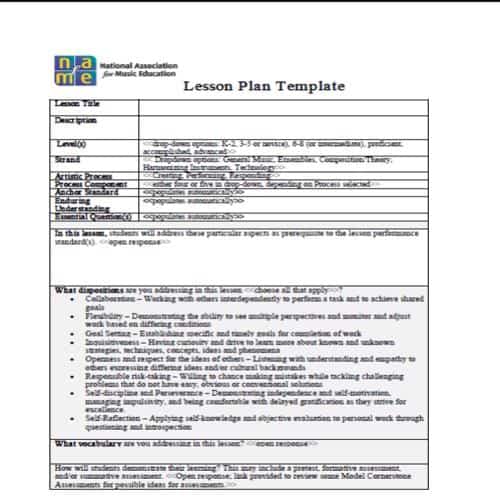
Music Teaching Lesson Plan Template
High School Teaching Lesson Plan
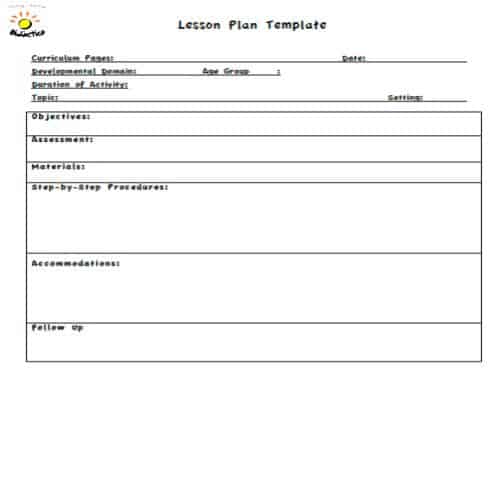
Blank Teaching Lesson Plan
Detailed Teaching Lesson Plan Template
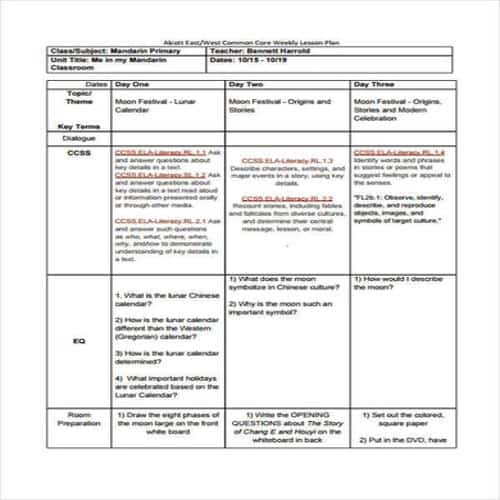
Elementary Teaching Lesson Plan Template
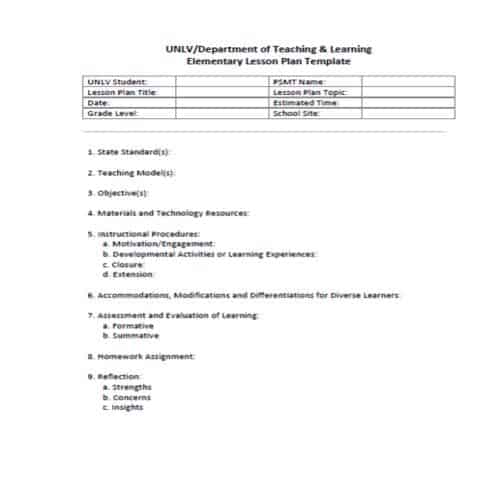
Daily Teaching Lesson Plan Template
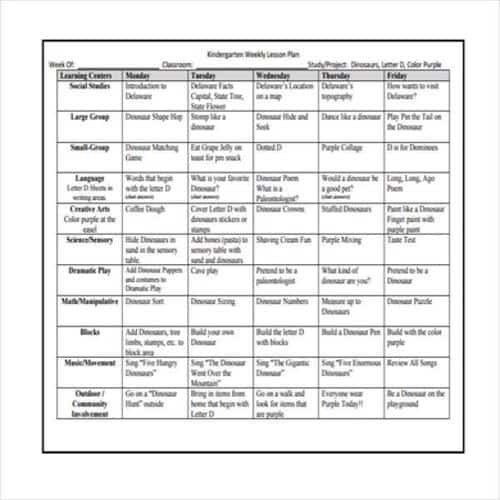
Simple Teaching Lesson Plan
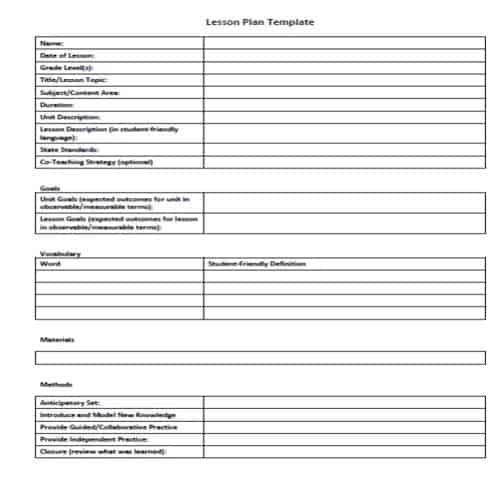
Professional Teaching Lesson Plan Template
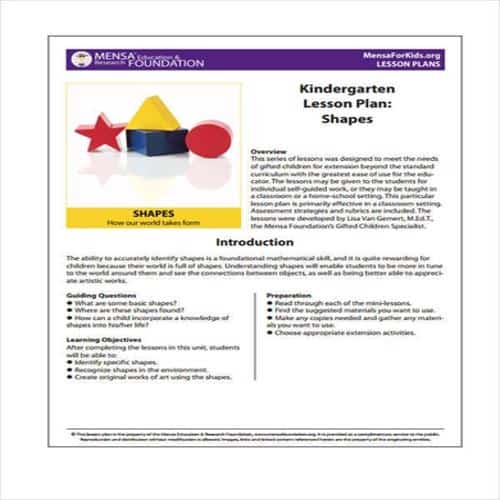
University’s Teaching Lesson Plan Template
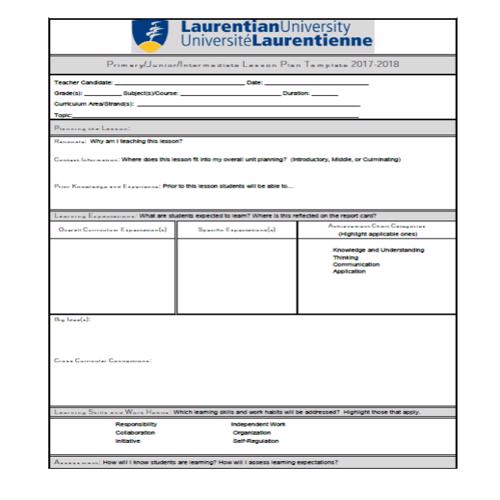
Creating a Teaching Lesson Plan Template
A teaching lesson plan template must be drafted carefully and in a professional manner, so as to make it effective and useful. As a teacher, it is totally your choice to include any information or details in any such plan. Here, the main purpose is to efficiently achieve the desired objectives by using a properly prepared lesson plan.
No matter how you desire to create your teaching lesson plan template, following are some essential tips for creating it.
1. Determining the goals or objectives:
The first and foremost thing is to determine the objectives or goals that you want to achieve through your lesson plan. Be clear and precise about your objectives. Make sure to clearly mention what you actually would want your students to achieve.
2. Seeking Student’s Attention:
In order to make it effective, it is important that your teaching lesson plan must be designed in such a way so as to develop interest in your students.
3. Students’ Calibre:
The lesson plan should be able to determine or identify the calibre at which you would want your students to be, at the end of lesson.
4. Presenting the lesson:
In your teaching lesson plan template, it is very important to specify the ways of presenting your lesson i.e, use of charts or videos etc. After all, it is the presentation that makes anything effective, such as a lesson in this case.
5. Winding up the lesson:
At the end, you should plan on how to conclude or wind up your lesson. This can be an ending statement that specifies what it is expected out of students to learn from the lesson.
6. Recommendations to Students:
After concluding the lesson, it is important that the teachers must explain some ways of independent learning to the students. They should encourage the students to learn more from different sources and not just stick to the lessons taught.
For every lesson, the teacher should specify such recommendations in his teaching lesson plan template.
Best Teaching Lesson Plan Templates
Model Teaching Lesson Plan Template
Special Teaching Lesson Plan Template
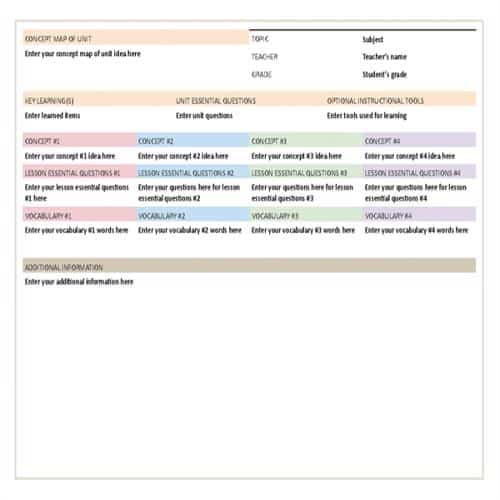
Integrated Teaching Lesson Plan
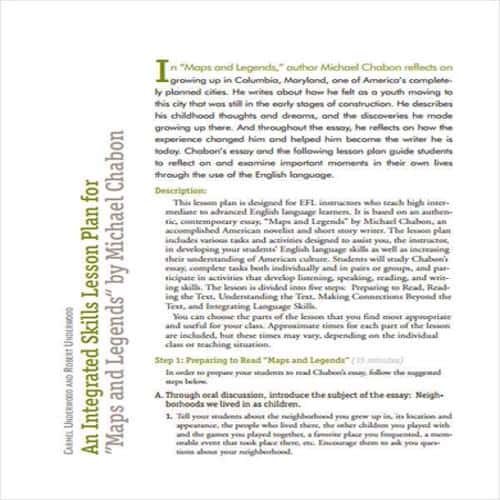
Daily Teaching Lesson Plan Template
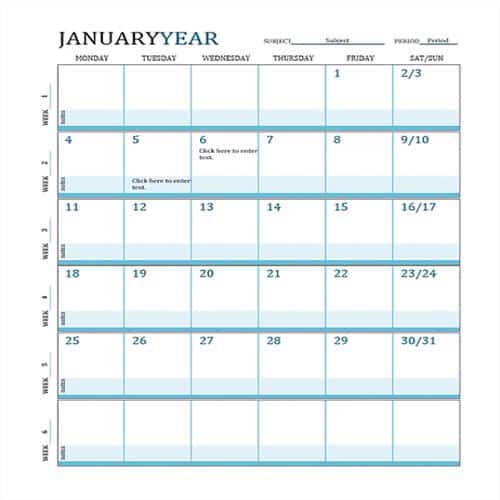
Example Teaching Lesson Plan
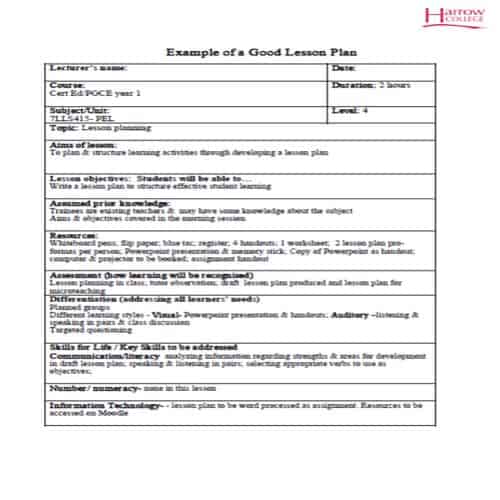
IT Teaching Lesson Plan Template
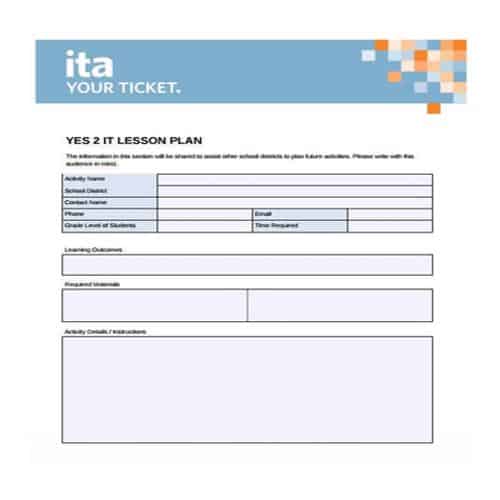
Personal Teaching Lesson Plan Template
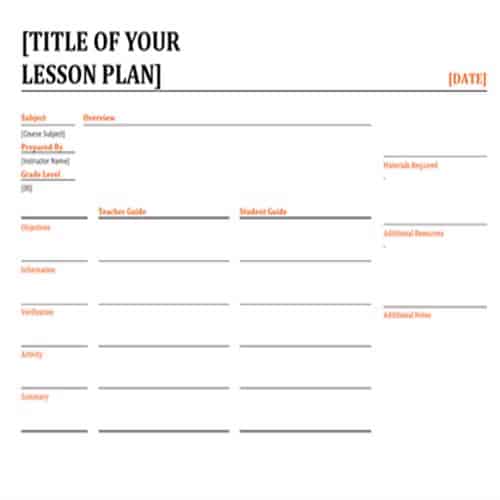
Typical Teaching Lesson Plan Template
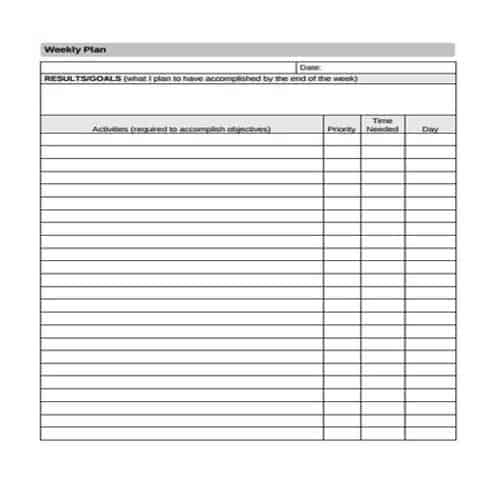
Effective Teaching Lesson Plan Template
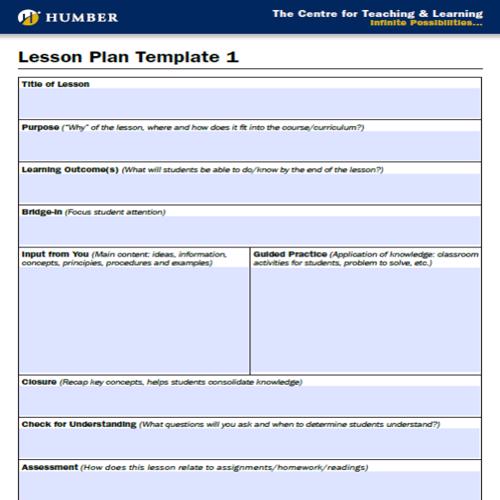
Unit Wise Teaching Lesson Plan Template

Importance of a Teaching Lesson Plan
Whether you are a kindergarten teacher, a high school teacher or a college teacher, a teaching lesson plan is very important for you. As a teacher, it shows you the path that you are required to follow. Given below are some benefits that will show you the importance of a teaching lesson plan:
- A teaching lesson plan motivates the teacher and increases his confidence. It can always be altered or adjusted that will encourage and inspire the teacher to achieve his targets more efficiently.
- A teaching lesson plan is somewhat a schedule, that helps the teacher to develop his routine throughout the duration of a particular course.
- This type of plan helps the teacher to divide the complete course into manageable sections or parts. This way the students are also able to learn things more effectively and easily.
- Such a plan can also be used for self evaluation or self accountability. With its help, a teacher can always compare his actual performance in accordance with the set targets.
- Asking questions is very important for both the teacher and his students. As a teacher, you can already specify in your lesson plan that which questions you have to ask to your students at different stages of a lesson.
- It is always important to cover all the topics of a particular course or subject rather than just covering important or selected topics. So, with proper management of time for each topic, a teaching lesson plan helps in covering all the topics effectively and on time.
- Through such a plan, you can brainstorm and come up with the ways to develop interests of students in the lessons.
- With the help of a properly prepared teaching lesson plan, the teachers as well as the students are also able to identify and comprehend the goals and objectives of the lesson.
More Teaching Lesson Plan Templates
Illustrative Teaching Lesson Plan Template
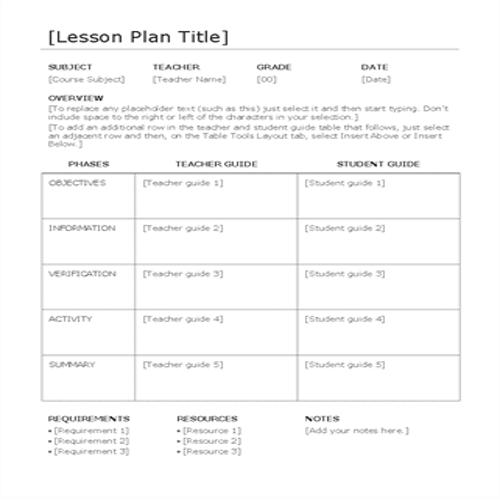
Significant Teaching Lesson Plan Template

Teaching Lesson Plan Guide
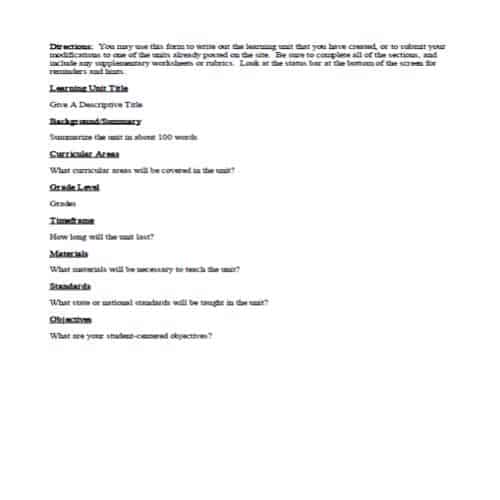
Daily Teaching Lesson Plan Template
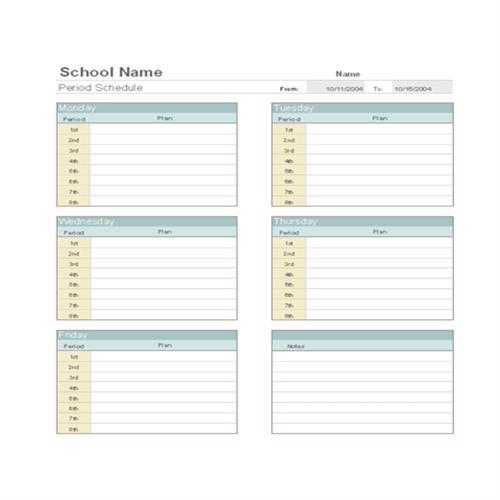
Preschool Teaching Lesson Plan Template
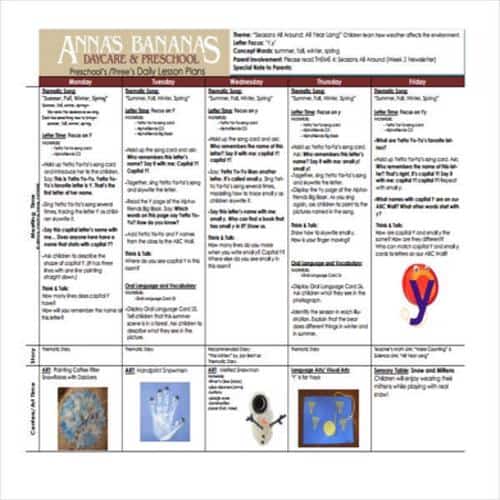
Valuable Teaching Lesson Plan Template
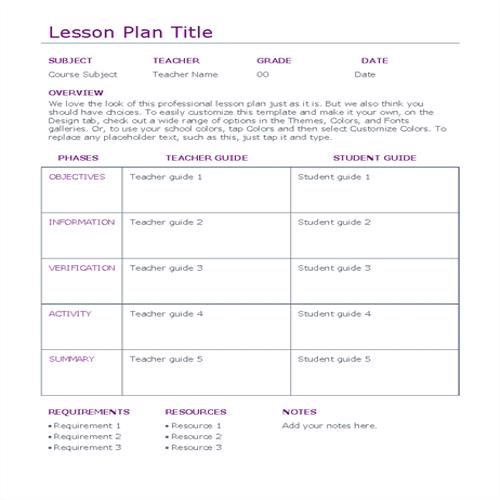
Daily Teaching Lesson Plan Blank Template
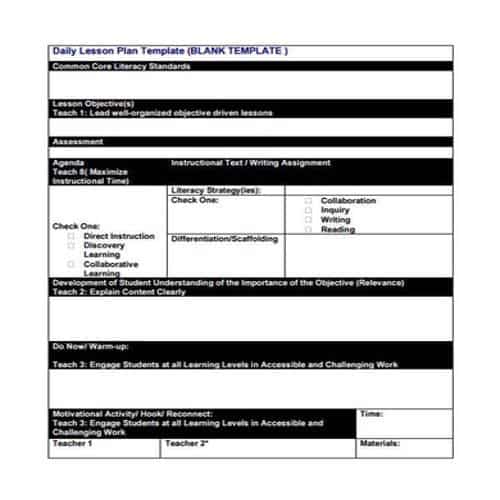
Particular Teaching Lesson Plan Template
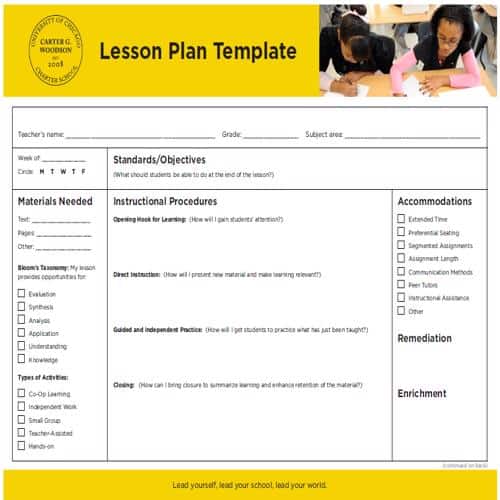
English Teaching Lesson Plan Template
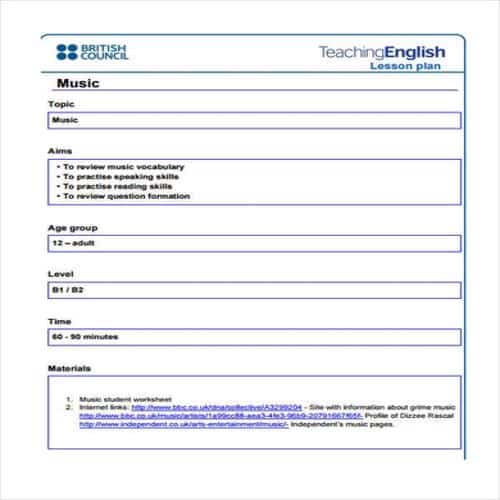
Practical Teaching Lesson Plan Template
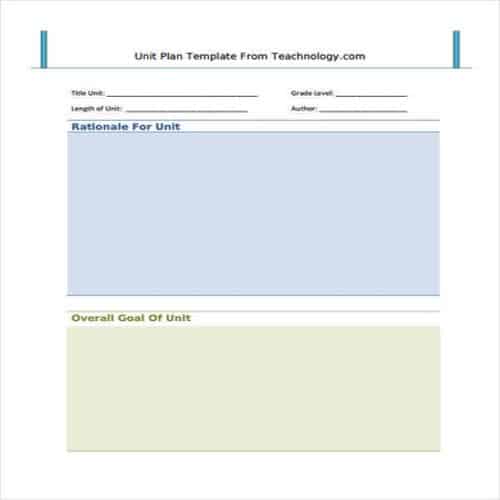
Useful Teaching Lesson Plan Templates: Practical Guide
These useful teaching lesson plan templates are designed to help users turn work into visible, assignable, and measurable actions. A strong useful teaching lesson plan template is more than an attractive layout: it should guide the user through the right information in a sensible order, make important details easy to verify, and produce a finished record that another person can understand without extra explanation.
Begin by reviewing the preview images and download options on this page. Choose the version that most closely matches your real purpose, software, paper size, and level of detail. Download a clean copy, save the original as a master, and edit a duplicate. This simple workflow protects the source file and makes later revisions much easier.
What to Include in a Useful Teaching Lesson Plan template
The exact content depends on the situation, but a dependable planning and tracking tool normally needs the following information:
- Objective, owner, and reporting period. Add complete, current information and use the same terminology throughout the document.
- Tasks, milestones, dependencies, and deadlines. Add complete, current information and use the same terminology throughout the document.
- Status, priority, and completion criteria. Add complete, current information and use the same terminology throughout the document.
- Resources, costs, risks, and constraints. Add complete, current information and use the same terminology throughout the document.
- Notes, evidence, and escalation details. Add complete, current information and use the same terminology throughout the document.
- Review dates, approvals, and version control. Add complete, current information and use the same terminology throughout the document.
Only retain sections that serve a genuine purpose. If a field is required but does not apply, use an approved notation such as “Not applicable” instead of leaving an unexplained blank. Where the document affects money, rights, employment, safety, or regulatory duties, have a qualified person review the customized version before it is issued or signed.
How to Choose the Best Useful Teaching Lesson Plan template
Compare templates by substance before appearance. Check whether the structure reflects the actual workflow, whether the available fields are sufficient, and whether the file can be edited in the software you use. A shorter template that matches the task is usually better than a complicated design filled with irrelevant sections.
Also test practical details. Open the file, type realistic sample information, check tables and page breaks, verify that formulas or totals behave correctly, and print or export one test copy. If several people will use the document, ask someone unfamiliar with it to complete or review the test. Their questions often reveal unclear labels, missing instructions, or a poor sequence.
Step-by-Step Customization
- Define the purpose. Write one sentence describing what the completed useful teaching lesson plan template must record, communicate, approve, or help someone decide.
- Select the closest layout. Match the sections and workflow first; fonts, colors, and branding can be adjusted later.
- Replace every sample entry. Verify spelling, dates, amounts, addresses, identifiers, and references against reliable source records.
- Adapt the structure. Add genuinely required fields, remove irrelevant clauses or columns, and arrange the content in the order users need it.
- Apply consistent formatting. Use clear heading levels, readable type, adequate spacing, aligned tables, and a restrained color palette.
- Review and approve. Assign a responsible person to check accuracy, completeness, calculations, and authorization.
- Control the final version. Use a descriptive filename, include the revision date when appropriate, and store the editable and final copies securely.
Common Mistakes to Avoid
The most common problems with useful teaching lesson plan templates include unclear ownership, unrealistic deadlines, duplicate entries, missing dependencies, statuses that are not updated. Users also sometimes preserve instructions, example data, tracked changes, hidden comments, or blank pages from the source file. Complete a final content review and a separate visual review before distribution.
A template should not be presented as an official record from a bank, government office, court, school, employer, or other institution unless it has actually been issued or authorized by that organization. Do not add seals, signatures, certifications, or claims that could mislead the recipient.
Quality-Control Checklist
- Every placeholder, instruction note, and sample value has been replaced or removed.
- Names, dates, amounts, calculations, contact details, and references have been verified.
- Headings, labels, capitalization, numbering, and terminology are consistent.
- Required evidence, attachments, signatures, approvals, and submission details are identified.
- Links, formulas, tables, page numbers, margins, and page breaks have been tested.
- The final copy contains no comments, tracked changes, hidden data, or confidential examples.
Frequently Asked Questions
Are these useful teaching lesson plan templates editable?
Yes. Use the available download format to change text, fields, tables, colors, and branding. Keep an untouched master copy so the original structure remains available.
Which format should I use?
Word is suitable for text-heavy documents and flexible page layouts. Excel is better for calculations, recurring logs, schedules, or structured data. PDF is useful for a final copy whose appearance should remain fixed. Choose the format offered by the specific download and appropriate to your workflow.
Can I use a downloaded useful teaching lesson plan template for professional purposes?
It can provide a useful starting point, but it must be customized for the organization, transaction, audience, and applicable rules. Seek professional advice where legal rights, financial obligations, safety, compliance, or formal employment decisions are involved.
How do I make the document easier to complete?
Use short labels, plain instructions, a logical order, enough writing space, and examples only where they clarify the expected response. Mark mandatory fields consistently and avoid requesting information that is not needed.
What should I check before sharing it?
Proofread the wording, verify facts and calculations, test printing and links, confirm authorization, remove editing marks, and make sure the filename clearly identifies the approved version.
