
An amortization schedule is a table that shows every payment on a loan, split into the part that pays interest and the part that reduces the balance. Early payments are mostly interest; later ones mostly repay principal. Borrowers use one to see the true cost of a car loan or mortgage, and small businesses use it to plan repayments on equipment loans.
This page offers 29+ loan amortization schedule templates. They include a spreadsheet version, a mortgage amortization schedule, standard and simple versions, and a blank amortization table you can fill in yourself. All are editable and free to download.
Use it before you borrow, not just after. Shorten the term or add a small extra payment each month and you’ll see how much interest you save. Check the final figures against your lender’s statement, since fees and rounding can differ.
Before setting up the repayment schedule, the terms are usually written in our promissory note templates. If payments fall behind, our collection letter templates can help you follow up.
Best Loan Amortization Schedule Templates
Loan Amortization Schedule SpreadsheetTemplate
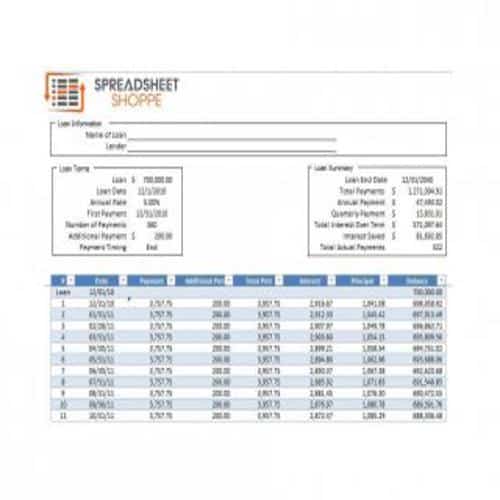
Elemental Loan Amortization Schedule Template
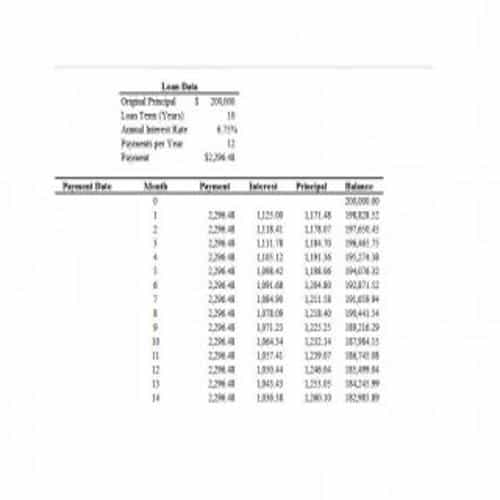
Mortgage Amortization Schedule Template
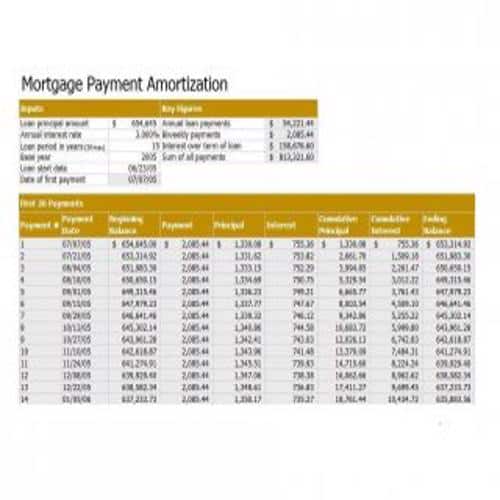
Standard Loan Amortization Schedule Template
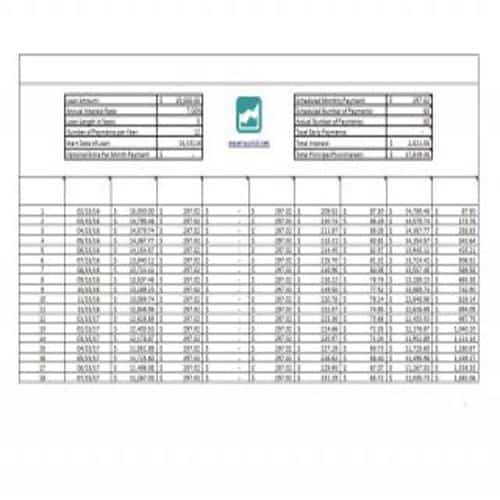
Important Loan Amortization Schedule Template
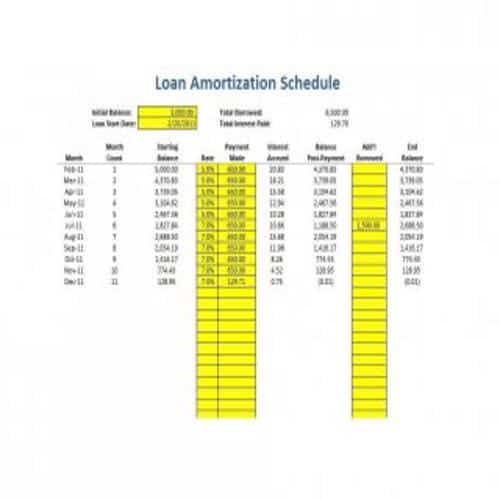
Simple Loan Amortization Schedule Template
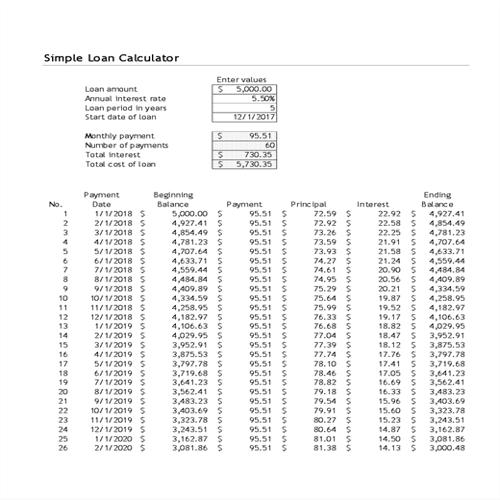
Blank Loan Amortization Schedule Template
Effective Loan Amortization Schedule Template
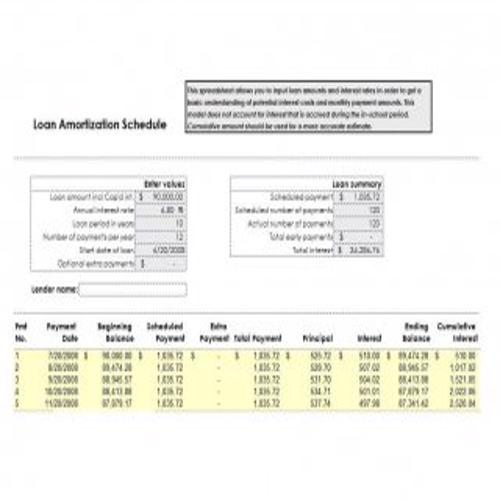
Specific Loan Amortization Schedule Template
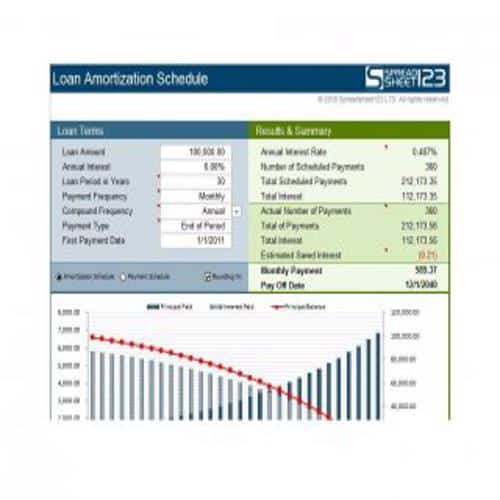
Typical Loan Amortization Schedule Template
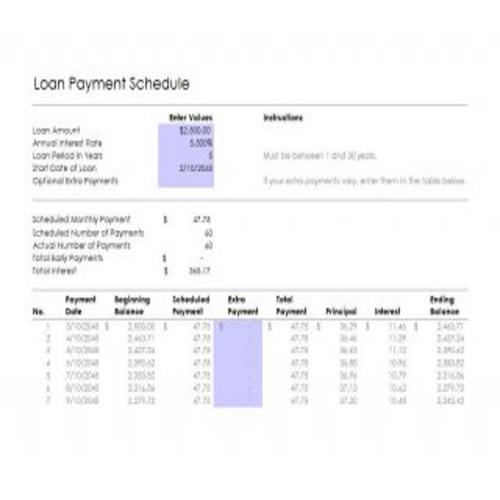
Different Types of Amortization Loans
There are three different types of amortization loans, which are explained below:
1. Mortgages:
A mortgage is the most common amortized loan. It is secured by collateral, such as a home, property or building.
A mortgage is usually a long-term loan, for example 20 or 25 years, because the loan amount is usually much larger than in other types of loans.
2. Loans for Cars:
This type of amortized loan is used when the borrower wants to buy a car with the borrowed money. Car loans are typically short-term, no more than 5 years.
This loan is repaid in fixed monthly installments. With car loans, you sometimes end up paying more in interest than the principal amount of the loan.
3. Personal Loans:
Borrowers take these amortized loans for personal purposes, such as medical bills, important home repairs, weddings, vacations, divorce settlements or debt consolidation. Both the interest rate and the duration of the loan are fixed.
Useful Loan Amortization Schedule Templates
Detailed Loan Amortization Schedule Template
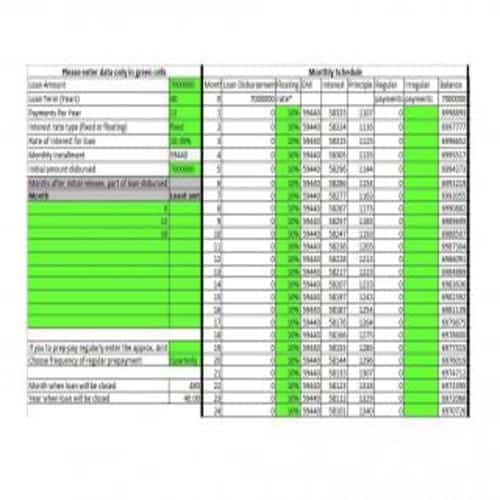
Sample Loan Amortization Schedule Template
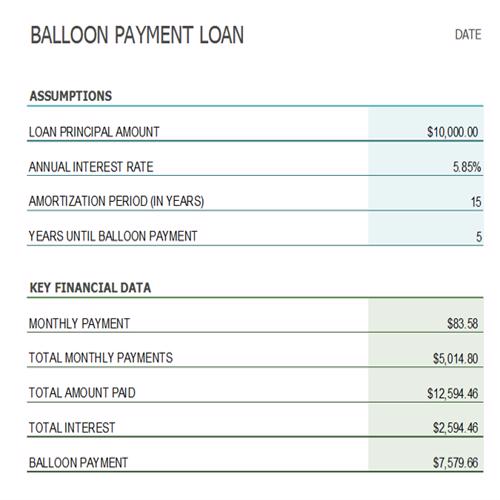
Loan Amortization Schedule Format Template
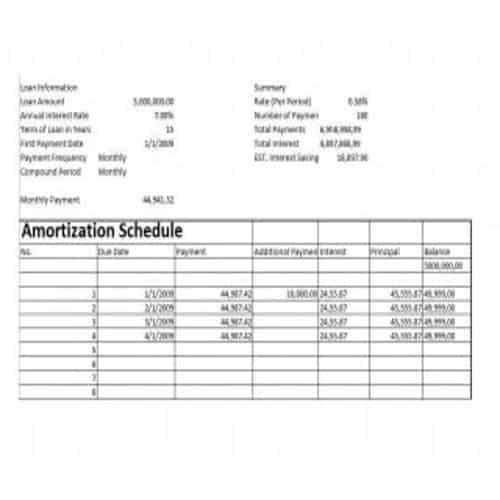
Regular Loan Amortization Schedule Template
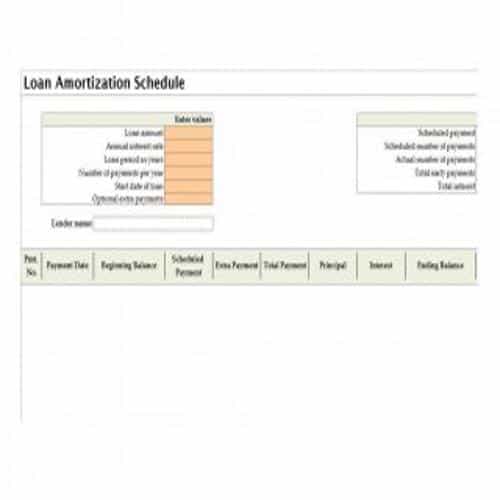
Mortgage Amortization Schedule Template
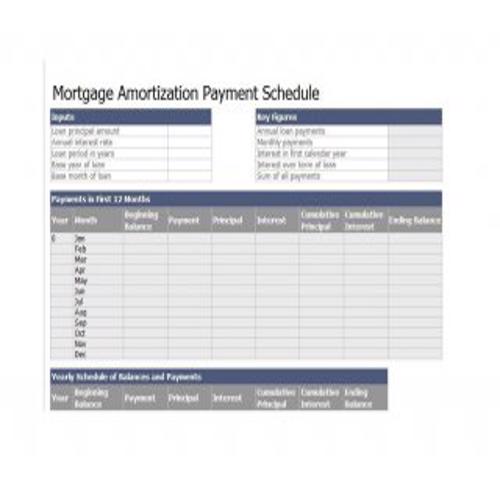
Blank Loan Payment Schedule Template
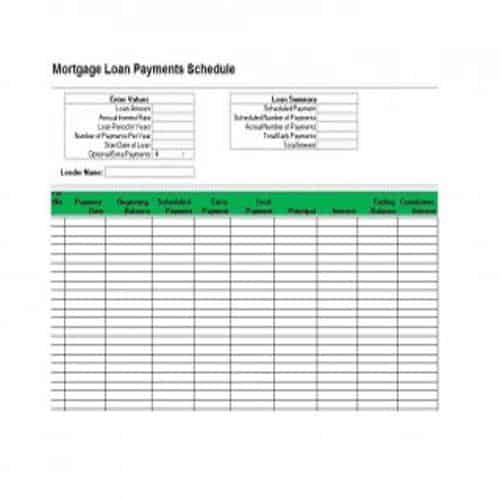
Effective Loan Amortization Schedule Template
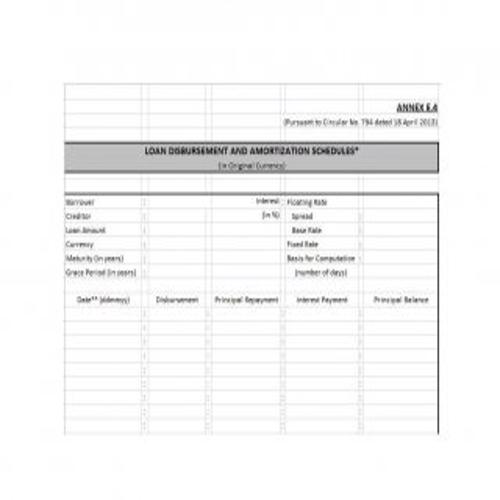
Proper Loan Amortization Schedule Template
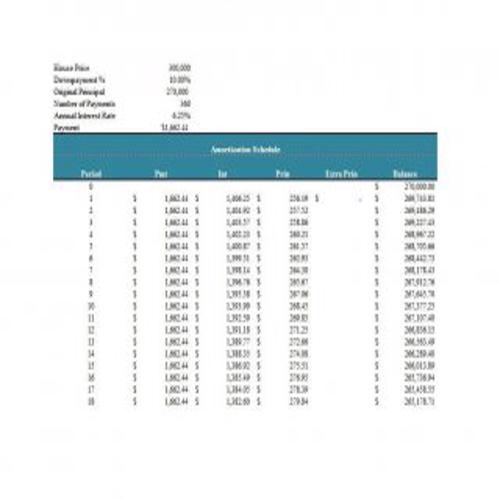
Extensive Loan Amortization Schedule Template
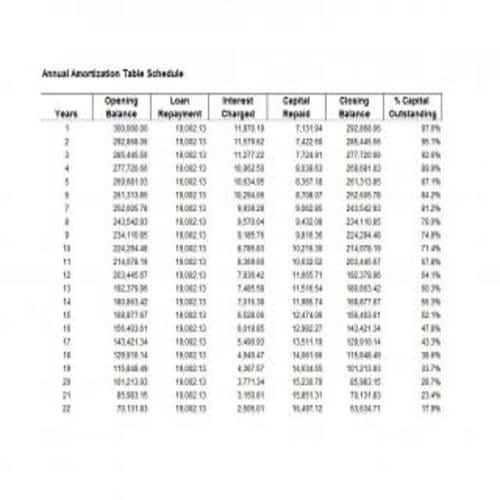
Complete Loan Amortization Schedule Template
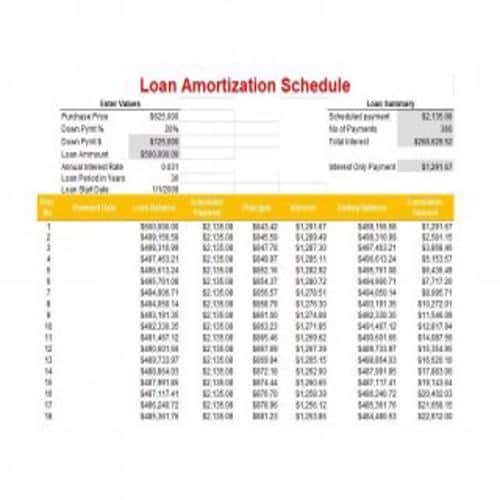
Important Terminologies to Know
Whether you create your own schedule or use a ready-made loan amortization schedule template, you need to know certain important terms. These terms are briefly explained below:
1. Amount of Loan:
The loan amount, also called the principal, is the amount provided by a person or financial institution and received by the borrower. The principal must be clearly stated.
2. Time Duration:
This is the period for which the money is borrowed, for example 5 or 10 years. The lender and borrower must agree on this period.
3. Amount to be repaid:
The total amount the borrower must repay consists of the principal, any fees or service charges, and the interest to be paid to the lender.
4. Interest Rate:
This is the borrowing rate, or interest rate, charged on the loan amount. Depending on the terms of the loan agreement, the interest rate can be fixed or variable.
A variable interest rate changes with market fluctuations. A fixed interest rate stays the same, and market fluctuations have no impact on it.
5. Cumulative Interest:
Cumulative interest is the total interest that the borrower has paid, or the lender has received, over the full term of a loan agreement. You can calculate it simply by adding up all the interest payments.
6. Opening Balance:
In a loan amortization schedule template, the opening balance is the amount of the loan owed before any principal payment for the period is made. Simply put, the closing balance of the previous period is the opening balance of the current period.
7. Closing Balance:
In a loan amortization schedule template, the closing balance is the amount of the loan owed at the end of a period, after all principal payments for that period have been made.
Special Loan Amortization Schedule Templates
Useful Loan Amortization Schedule Template
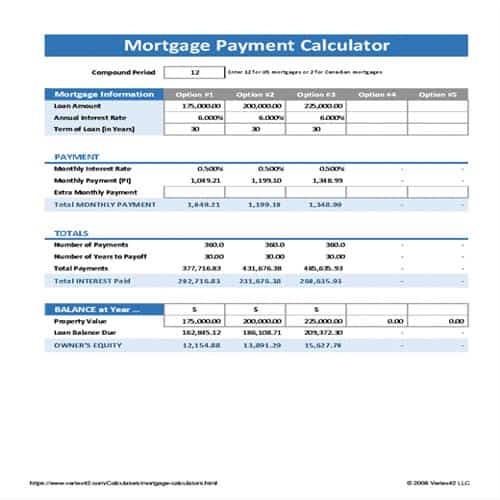
Official Loan Amortization Schedule Template
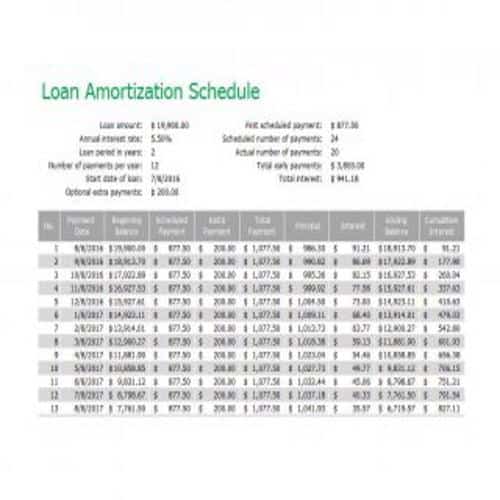
Loan Amortization Brief Schedule Template
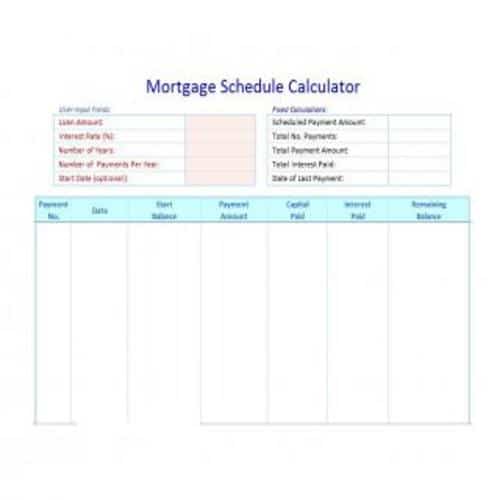
Blank Mortgage Amortization Schedule Template
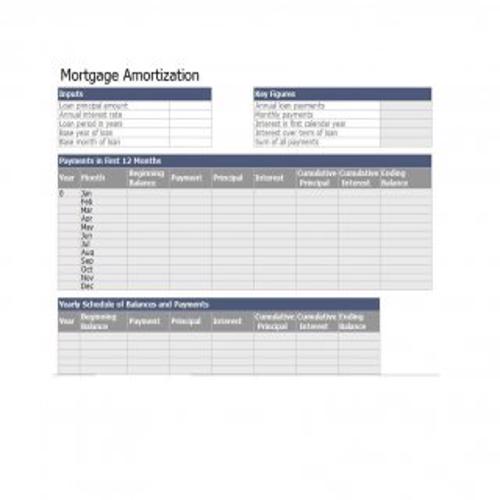
Example Loan Amortization Schedule Template
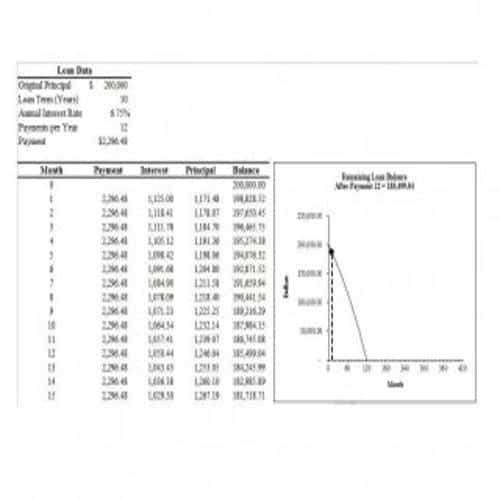
Typical Loan Amortization Schedule Template
Standard Loan Amortization Schedule Template
Professional Loan Amortization Schedule Template
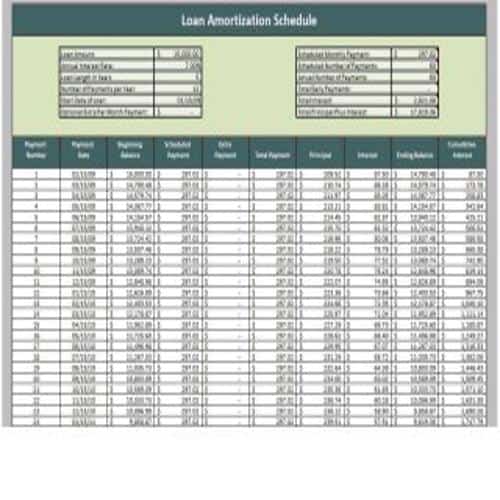
Informative Loan Amortization Schedule Template
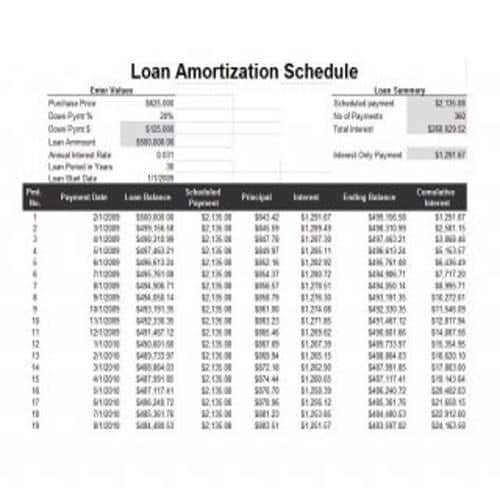
Business Loan Amortization Schedule Template
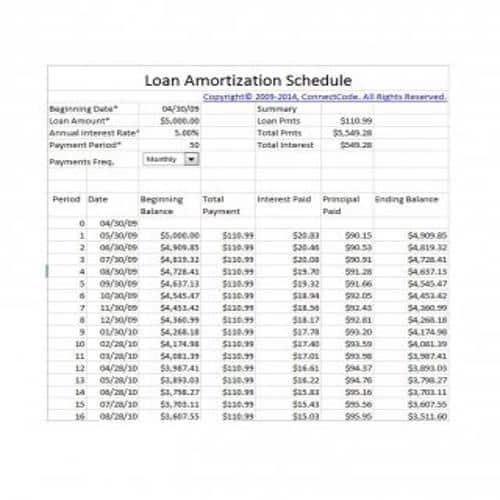
Checking a Loan Amortization Schedule
Choose a schedule that matches the actual loan terms and payment convention. A spreadsheet illustration may differ from the lender’s calculation, fees or treatment of dates. When a repayment schedule supports a business funding request, WordNExcelTemplates’ loan proposal templates can help present the purpose and repayment assumptions to the decision-maker.
- Enter principal, rate basis, term and payment frequency consistently.
- Check how interest and principal are allocated for each payment.
- Reconcile the final balance and examine assumptions before relying on the result.
Worked Example
Illustration: in a zero-interest loan of 1,200 repaid in twelve equal monthly principal payments, each payment is 100. An interest-bearing loan requires the appropriate calculation and may have different payment amounts. Do not infer the real cost from principal divided by months alone.
Common Mistakes to Avoid
Avoid mixing annual and monthly rates or treating an advertised rate as a complete statement of borrowing cost. Confirm actual terms with the lender.
Related Templates
- Debt Validation Letter Templates
- Promissory Note Templates
- Collection Letter Templates
- Loan Agreement Templates
Frequently Asked Questions
Why does my spreadsheet differ from the lender’s schedule?
Possible reasons include rate conventions, payment timing, fees, rounding and irregular dates. Compare the documented assumptions instead of changing figures to force a match.
Can I model extra payments?
Yes, if the model accounts for how the lender applies them and any relevant terms. Label the scenario and verify it against the actual agreement.
