
A balance sheet is also called a statement of financial position or a statement of financial condition. Basically it is the image of financial condition of an entity. In order to save time and effort, many entities may opt to use balance sheet templates for this purpose. A balance sheet is a summary of the financial balances of an entity,whether the entity is a sole proprietorship, a partnership business, any corporation or any other organisation such as a Government or a Not for Profit Organisation. Equity, Assets and liabilities of an entity are listed as on a specific date, such as the end of its financial year.
If you want to create a balance sheet for your business, you can easily do so by using the balance sheet templates provided below. These templates will enable you to further customize them for your desired purpose. Moreover, these templates are free to use. Just click the download button and use the balance sheet template of your own choice.
Sample Balance Sheet Templates
Comparative Balance Sheet Template
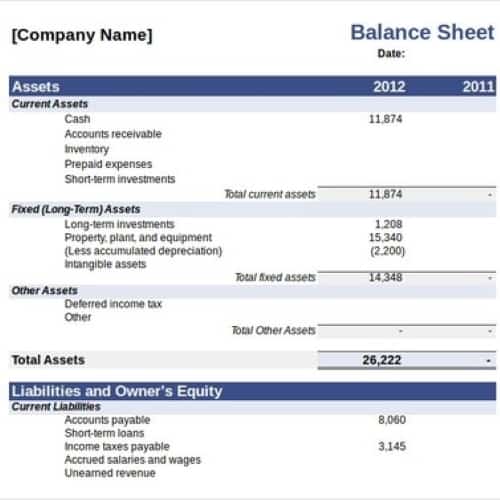
Simple Annual Balance Sheet Template
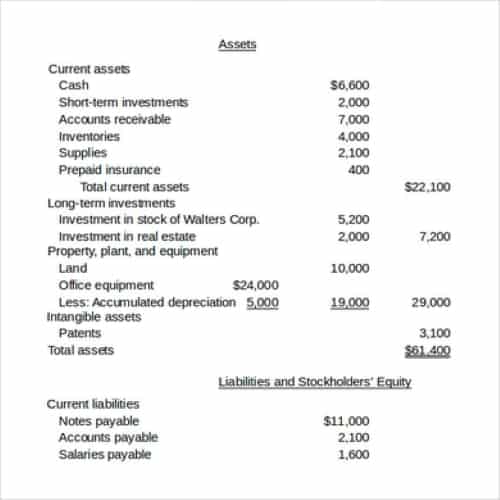

Agricultural Balance Sheet Template
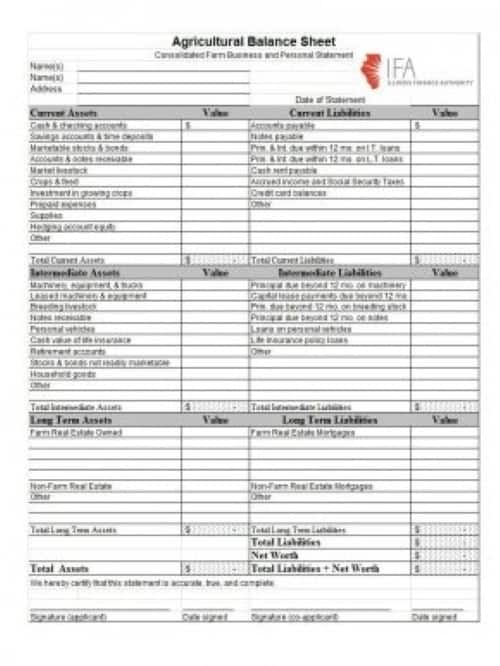
Year Ending Balance Sheet Template
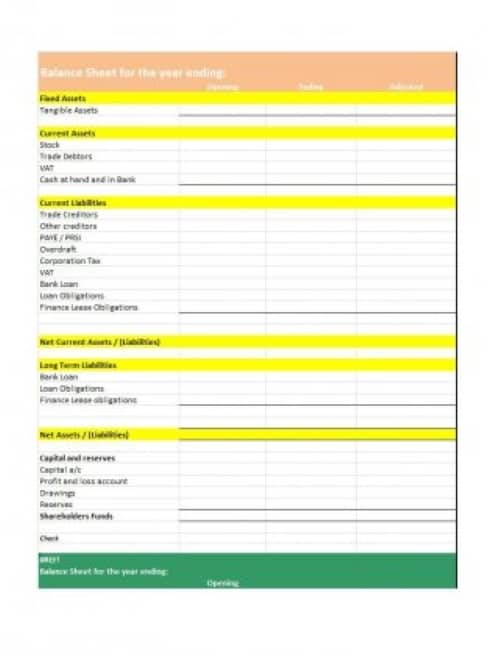
Standard Balance Sheet Template
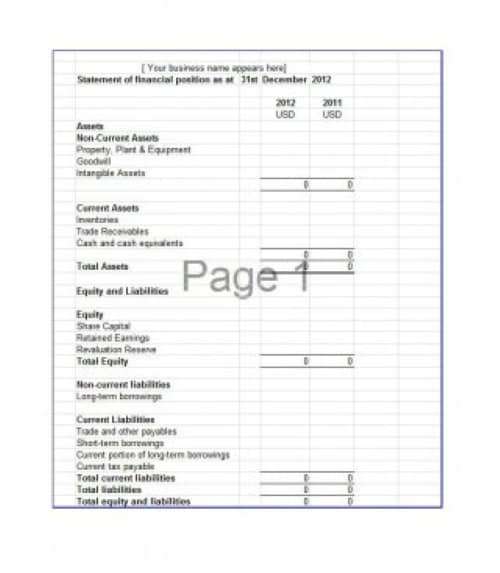
Business’s Balance Sheet Template
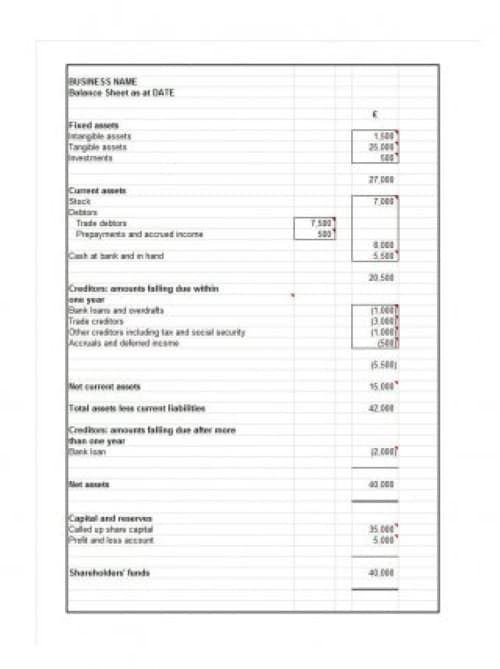
Multi Years Balance Sheet Template
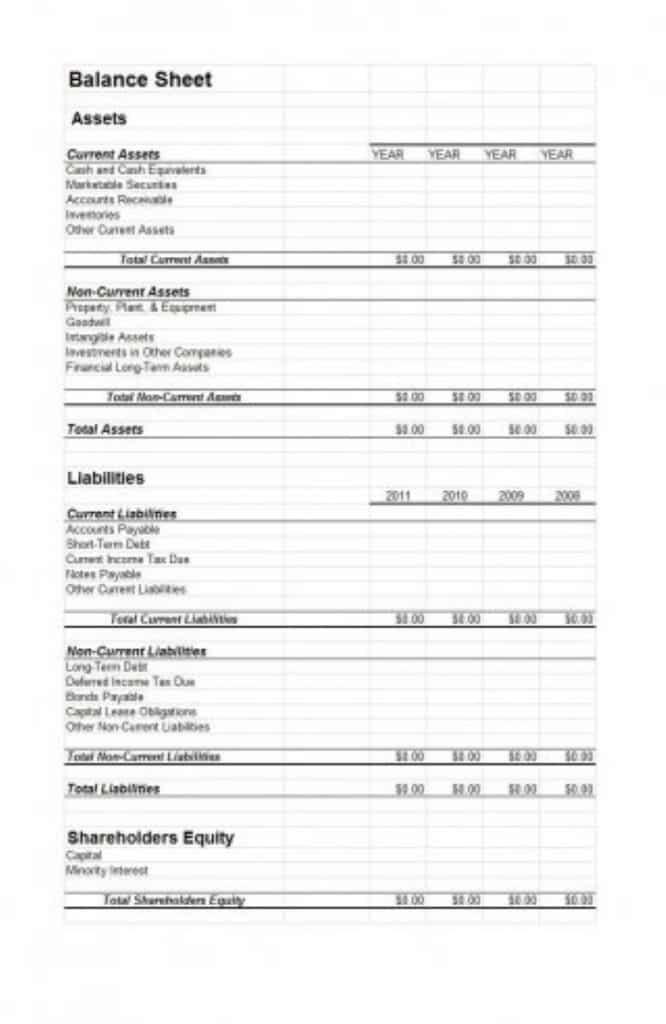
Highlighted Balance Sheet Template
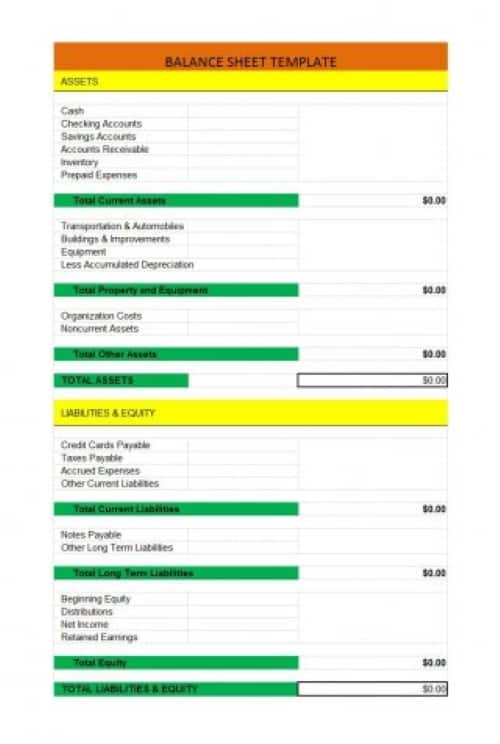
Simple Balance Sheet Template
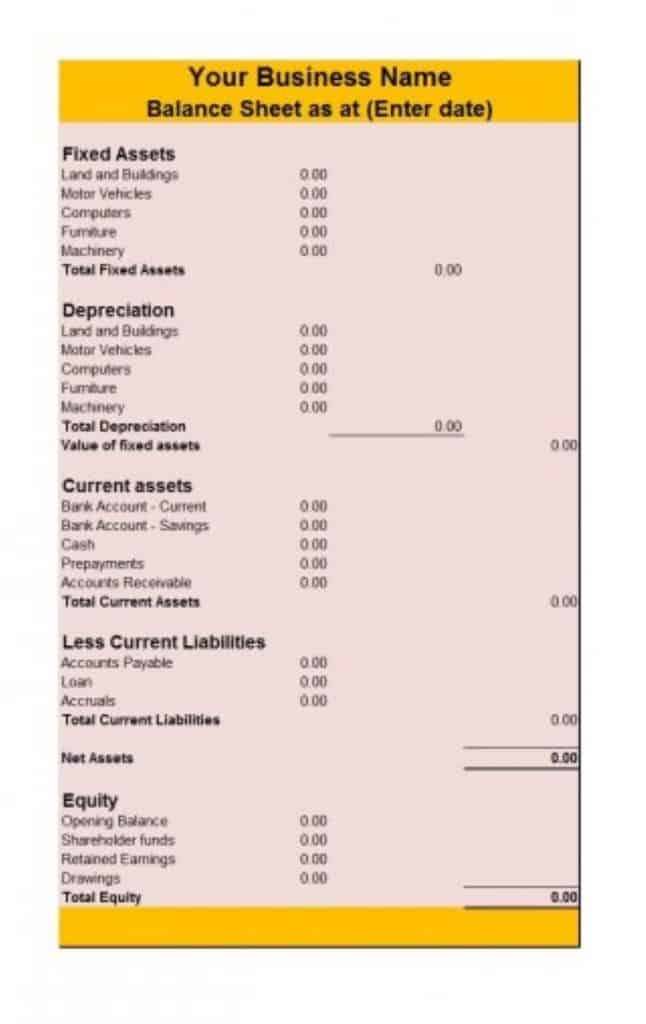
Two Sided Balance Sheet
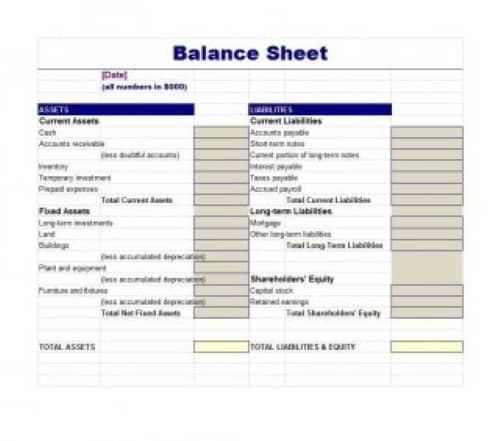
Importance of Balance Sheet
A balance sheet is very important as it gives a detailed picture of a business. Suppose you are the owner of a company and it is not possible to keep the track of income and expenditure on daily basis, this is why you need a balance sheet.
A balance sheet helps you to understand how good or bad your business or your company is doing. If the assets of the company has depreciated or if the liabilities of the company have increased or decreased, in a given time period. Generally, it reflects the overall health of the company.
Most importantly, the balance sheet helps to make decisions in the long run e.g, where the company needs to invest and in which areas, the company needs to improve etc. The information provided by a balance sheet helps the potential investors, lenders or any other key stakeholders to better understand how the business of the company functions.
It also helps them to learn about the principle resources of the company and any threats to its growth. With the combined information of balance sheet and income statement, the potential stakeholders can analyse the trends over time, check ratios and balances.
More Balance Sheet Examples
Company’s Decent Style Comparative Balance Sheet
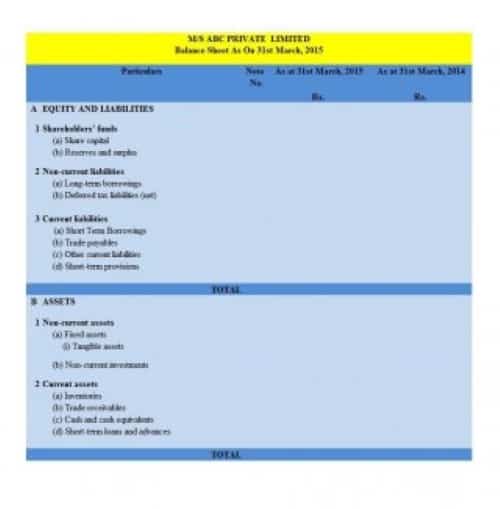
Company’s Simple Style Balance Sheet Template
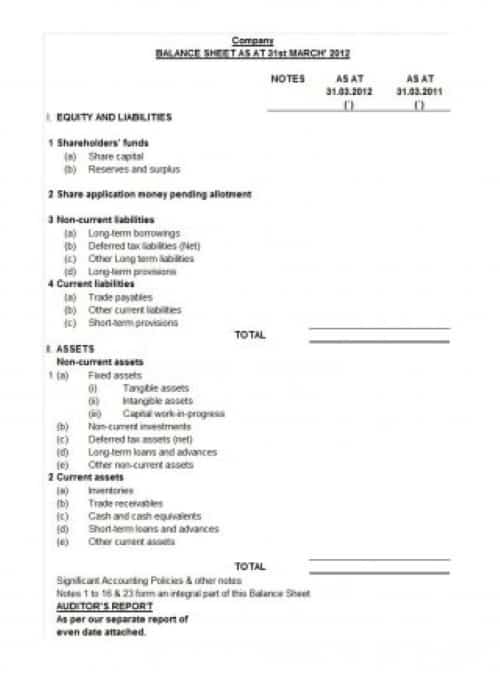
Comprehensive Balance Sheet Template
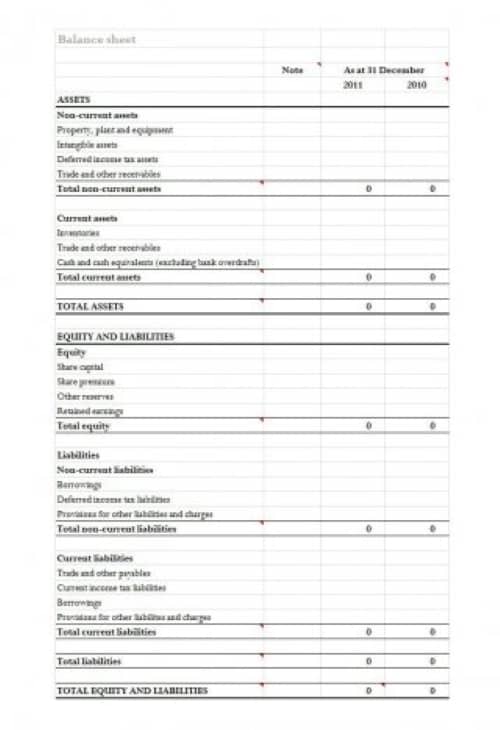
5 Years Comparative Balance Sheet Sample
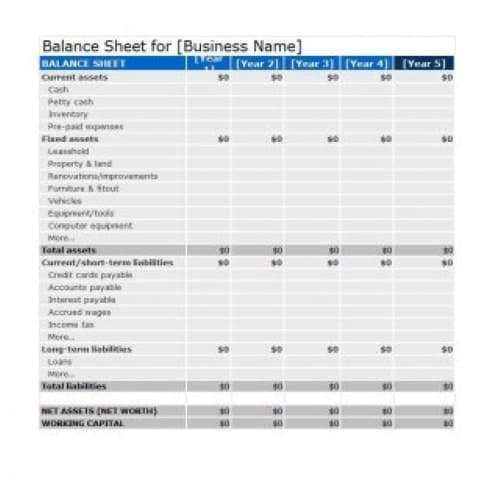
Trader’s Balance Sheet Template
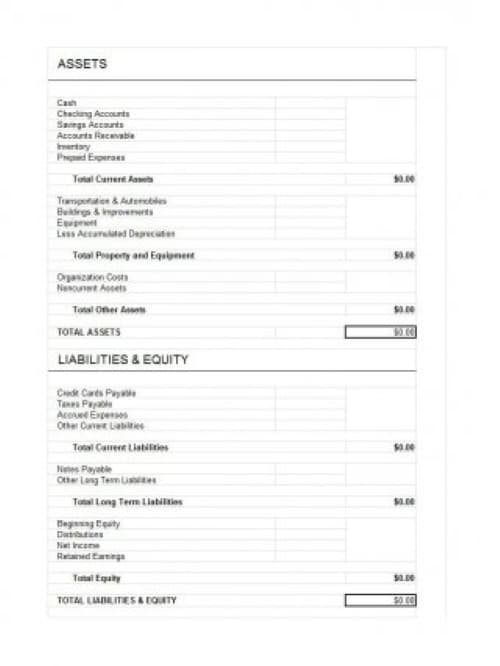
Elegant Style Balance Sheet Sample
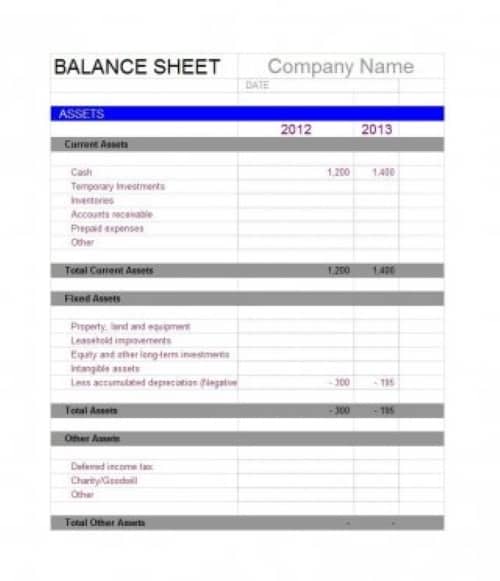
Detailed Balance Sheet Template
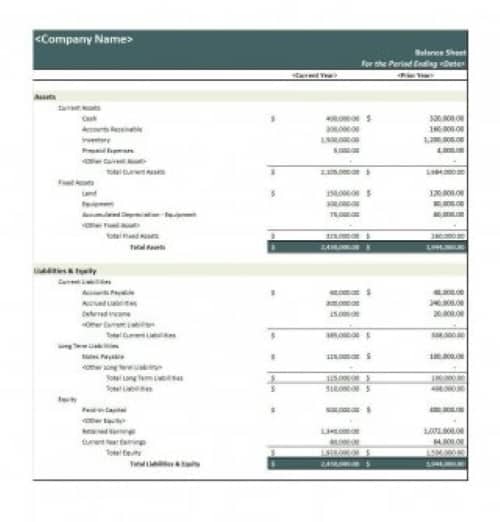
Personal Balance Sheet Template
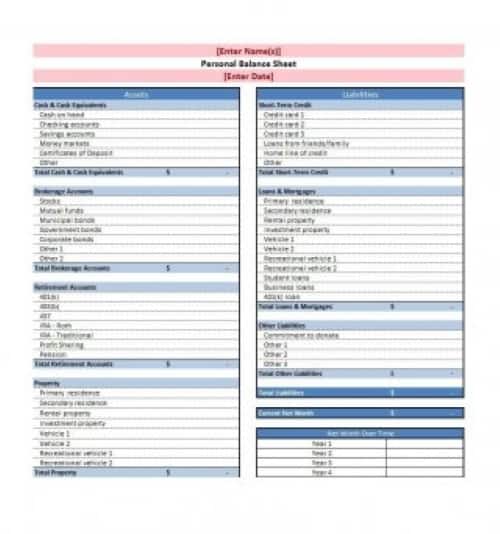
Special Design Balance Sheet Template
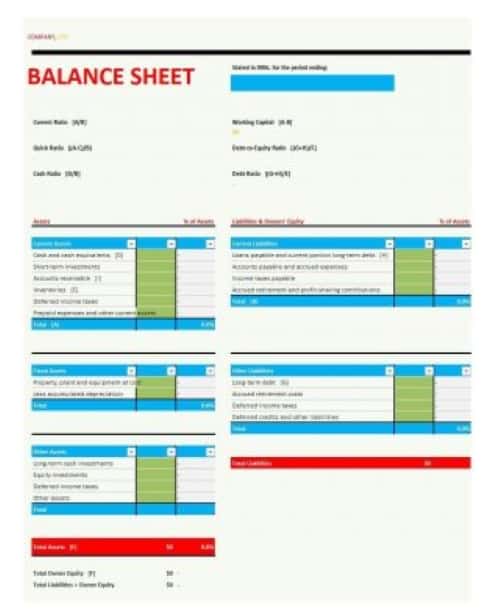
Company’s Official Balance Sheet Template
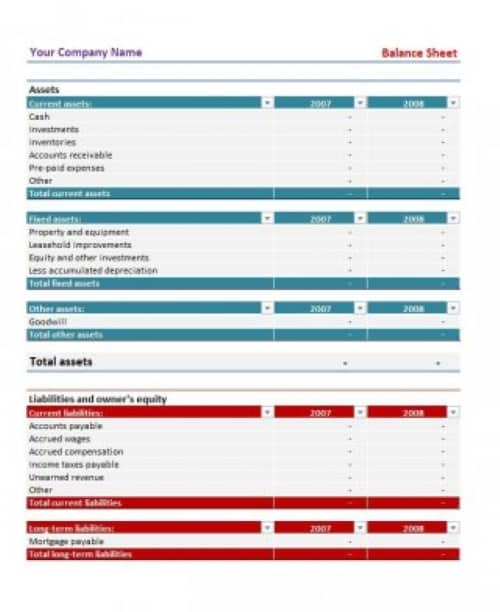
Typical Balance Sheet Sample
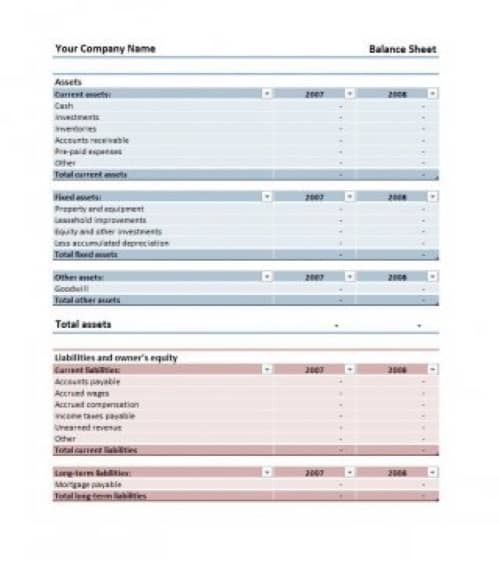
Simple Balance Sheet Template
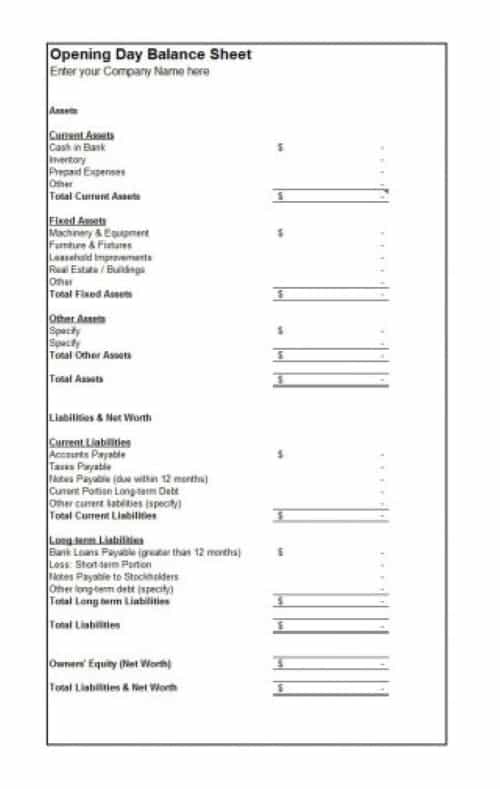
Company’s Proper Balance Sheet Template
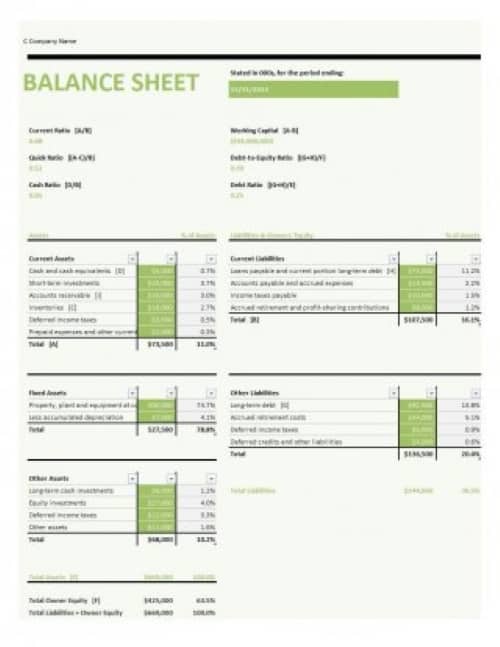
Small Business’s Balance Sheet Template
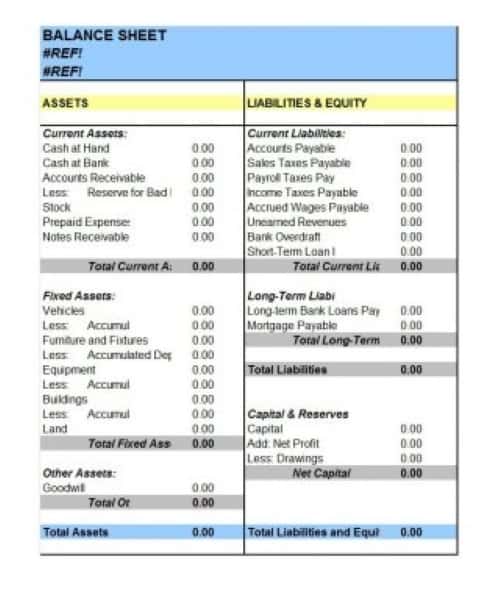
Company’s Basic Comparative Balance Sheet Template
Components of a Balance Sheet
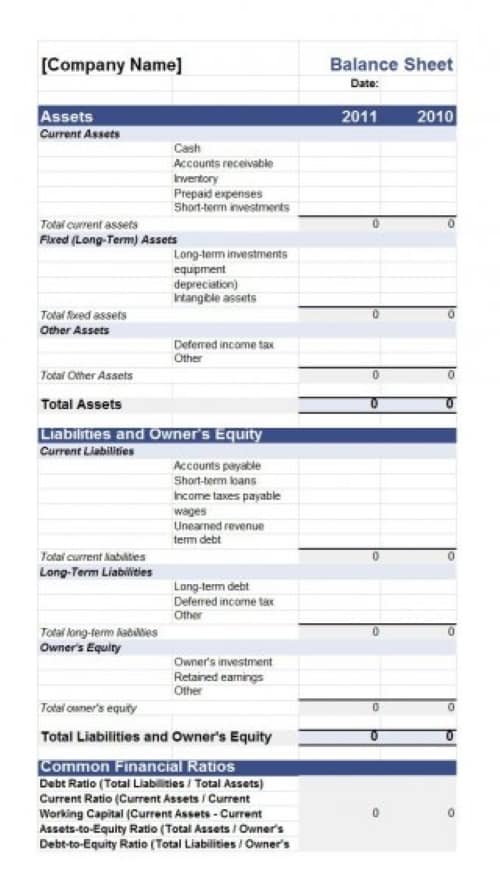
As stated earlier, a balance sheet of a business comprises of the equity, assets and its liabilities. Each of these three include different components, which are listed below:
Assets
Non-Current Assets
- Property, Plant and Equipment
- Any investment property
- Intangible Assets e.g, patent, license and goodwill etc.
- Biological Assets
- Loan given to someone, whether an individual or an entity ( for more than one financial period)
Current Assets
- Accounts Receivable
- Cash and cash equivalents
- Inventories
- Cash at Bank
- Prepaid Expenses
- Accrued Revenue
- Loan given to someone, whether an individual or an entity ( for less than one financial period)
Liabilities
- Accounts Payable
- Provisions for warranties or court orders
- Financial liabilities such as corporate bonds and promissory notes.
- Deferred tax liabilities
- Interests on loans
Equity/Capital
- Issued capital and reserves attributable to equity holders of the parent company (controlling interest)
- Non-controlling interest in equity
FREE Balance Sheet Templates in MS Excel and MS Word: Practical Guide
These free balance sheet templates in ms excel and ms word are designed to help users produce a consistent, reusable document without starting from a blank page. A strong free balance sheet template in ms excel and ms word is more than an attractive layout: it should guide the user through the right information in a sensible order, make important details easy to verify, and produce a finished record that another person can understand without extra explanation.
Begin by reviewing the preview images and download options on this page. Choose the version that most closely matches your real purpose, software, paper size, and level of detail. Download a clean copy, save the original as a master, and edit a duplicate. This simple workflow protects the source file and makes later revisions much easier.
What to Include in a FREE Balance Sheet template in MS Excel and MS Word
The exact content depends on the situation, but a dependable editable business document normally needs the following information:
- A clear title and purpose. Add complete, current information and use the same terminology throughout the document.
- Accurate names, dates, and reference details. Add complete, current information and use the same terminology throughout the document.
- Logical sections and readable labels. Add complete, current information and use the same terminology throughout the document.
- Supporting facts, calculations, or instructions. Add complete, current information and use the same terminology throughout the document.
- Approval, signature, or review fields. Add complete, current information and use the same terminology throughout the document.
- A version date and storage reference. Add complete, current information and use the same terminology throughout the document.
Only retain sections that serve a genuine purpose. If a field is required but does not apply, use an approved notation such as “Not applicable” instead of leaving an unexplained blank. Where the document affects money, rights, employment, safety, or regulatory duties, have a qualified person review the customized version before it is issued or signed.
How to Choose the Best FREE Balance Sheet template in MS Excel and MS Word
Compare templates by substance before appearance. Check whether the structure reflects the actual workflow, whether the available fields are sufficient, and whether the file can be edited in the software you use. A shorter template that matches the task is usually better than a complicated design filled with irrelevant sections.
Also test practical details. Open the file, type realistic sample information, check tables and page breaks, verify that formulas or totals behave correctly, and print or export one test copy. If several people will use the document, ask someone unfamiliar with it to complete or review the test. Their questions often reveal unclear labels, missing instructions, or a poor sequence.
Step-by-Step Customization
- Define the purpose. Write one sentence describing what the completed free balance sheet template in ms excel and ms word must record, communicate, approve, or help someone decide.
- Select the closest layout. Match the sections and workflow first; fonts, colors, and branding can be adjusted later.
- Replace every sample entry. Verify spelling, dates, amounts, addresses, identifiers, and references against reliable source records.
- Adapt the structure. Add genuinely required fields, remove irrelevant clauses or columns, and arrange the content in the order users need it.
- Apply consistent formatting. Use clear heading levels, readable type, adequate spacing, aligned tables, and a restrained color palette.
- Review and approve. Assign a responsible person to check accuracy, completeness, calculations, and authorization.
- Control the final version. Use a descriptive filename, include the revision date when appropriate, and store the editable and final copies securely.
Common Mistakes to Avoid
The most common problems with free balance sheet templates in ms excel and ms word include unreplaced placeholders, inconsistent terminology, missing facts, weak formatting, unclear approval responsibility. Users also sometimes preserve instructions, example data, tracked changes, hidden comments, or blank pages from the source file. Complete a final content review and a separate visual review before distribution.
A template should not be presented as an official record from a bank, government office, court, school, employer, or other institution unless it has actually been issued or authorized by that organization. Do not add seals, signatures, certifications, or claims that could mislead the recipient.
Quality-Control Checklist
- Every placeholder, instruction note, and sample value has been replaced or removed.
- Names, dates, amounts, calculations, contact details, and references have been verified.
- Headings, labels, capitalization, numbering, and terminology are consistent.
- Required evidence, attachments, signatures, approvals, and submission details are identified.
- Links, formulas, tables, page numbers, margins, and page breaks have been tested.
- The final copy contains no comments, tracked changes, hidden data, or confidential examples.
Frequently Asked Questions
Are these free balance sheet templates in ms excel and ms word editable?
Yes. Use the available download format to change text, fields, tables, colors, and branding. Keep an untouched master copy so the original structure remains available.
Which format should I use?
Word is suitable for text-heavy documents and flexible page layouts. Excel is better for calculations, recurring logs, schedules, or structured data. PDF is useful for a final copy whose appearance should remain fixed. Choose the format offered by the specific download and appropriate to your workflow.
Can I use a downloaded free balance sheet template in ms excel and ms word for professional purposes?
It can provide a useful starting point, but it must be customized for the organization, transaction, audience, and applicable rules. Seek professional advice where legal rights, financial obligations, safety, compliance, or formal employment decisions are involved.
How do I make the document easier to complete?
Use short labels, plain instructions, a logical order, enough writing space, and examples only where they clarify the expected response. Mark mandatory fields consistently and avoid requesting information that is not needed.
What should I check before sharing it?
Proofread the wording, verify facts and calculations, test printing and links, confirm authorization, remove editing marks, and make sure the filename clearly identifies the approved version.
