
A problem statement is a formal document of a business in which a certain problem, an issue or a condition is briefly described. Whenever it is important that an issue needs to be addressed or a condition requires immediate improvements, a problem statement is issued for that purpose. Moreover, the main purpose of a problem statement is to determine and analyze the gap between the current state and the desired state. Therefore, instead of writing a new problem statement every time, the organizations usually use a problem statement template.
In a statement of problem, the issue is deeply analyzed with the help of facts and figures. Afterwards, the problem statement should particularly emphasize the importance of finding the proper solution. A different problem statement is prepared for different problems but most commonly, all the problem statements address the five W’s namely who, when, what, where and why.
Following are some of the useful problem statement templates provided for you. You can easily download and use these templates.
Best Problem Statement Templates
Detailed Issue Statement Template
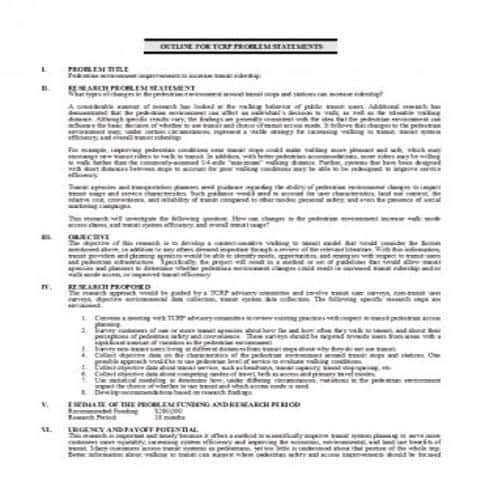
Project Problem Statement Template
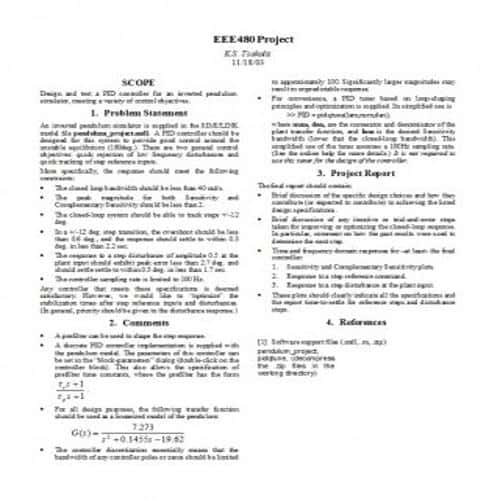
Simple Problem Statement Template
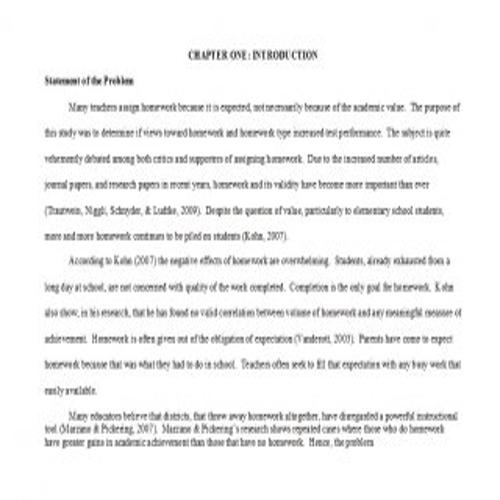
Standard Problem Statement
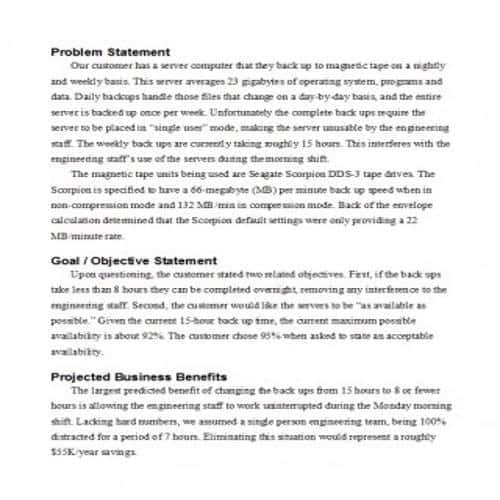
Focused Problem Statement
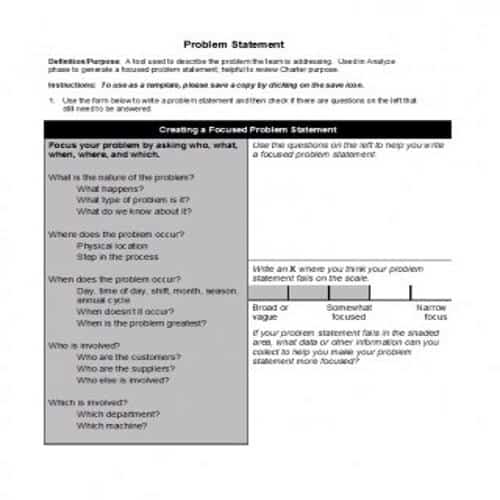
Sample Problem Statement Template
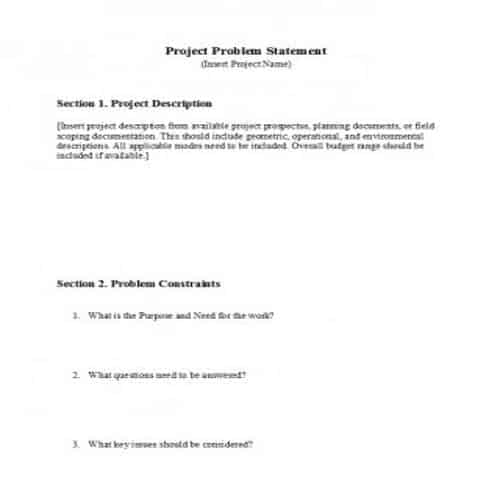
Elementary Problem Statement Template
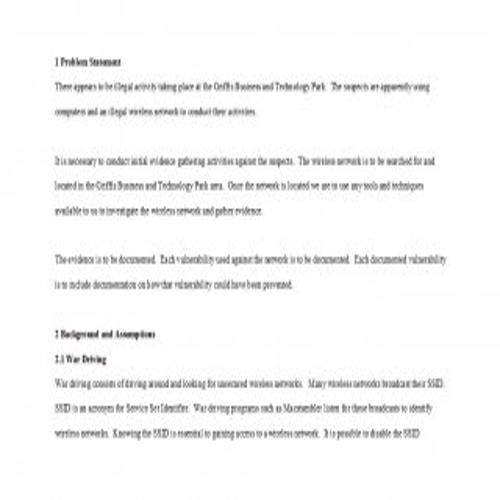
Descriptive Problem Statement Template
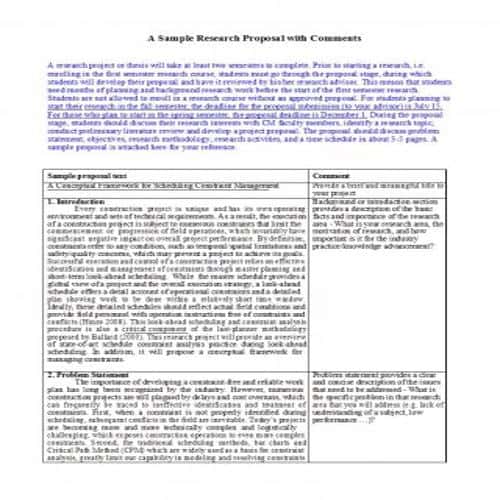
Formal Problem Statement Template
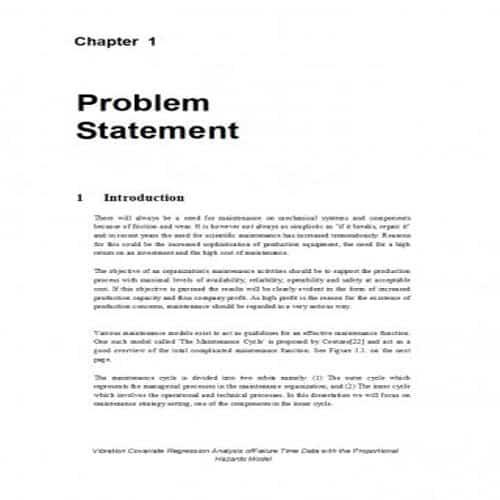
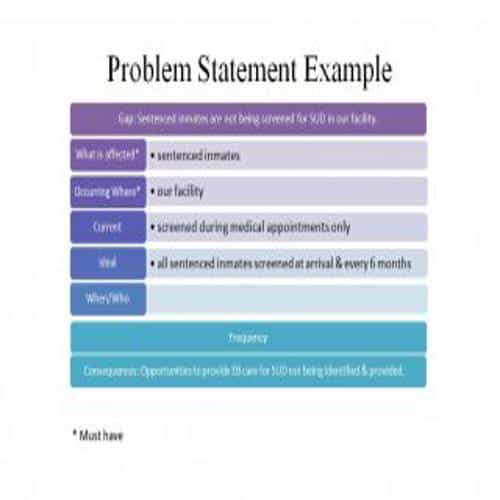
Problem Statement EXAMPLE
Typical Problem Statement Template
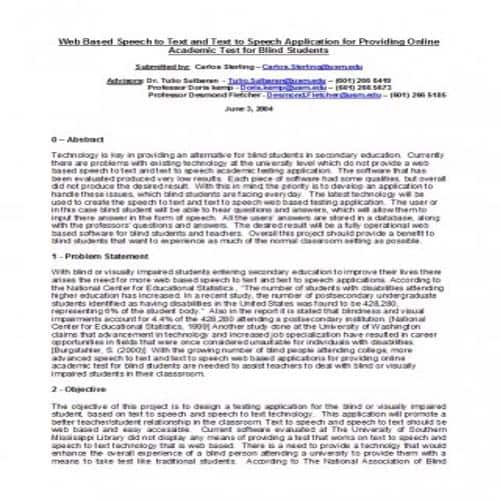
Highlighted Problem Statement
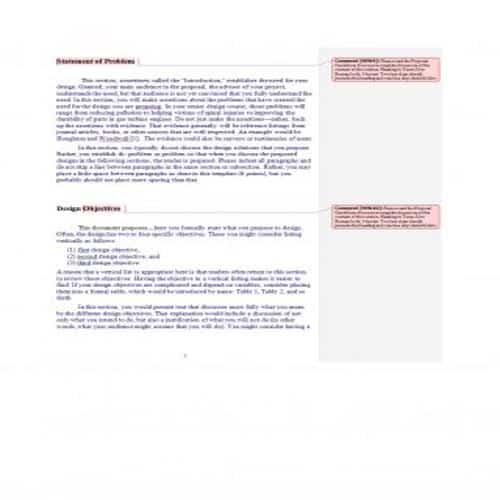
Research Problem Statement Template
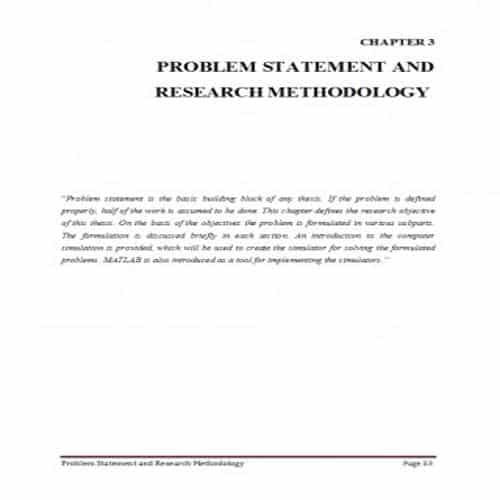
University’s Problem Statement Template
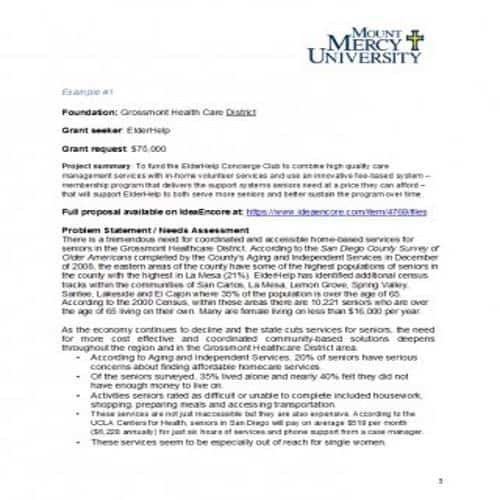
Basic Problem Statement Template
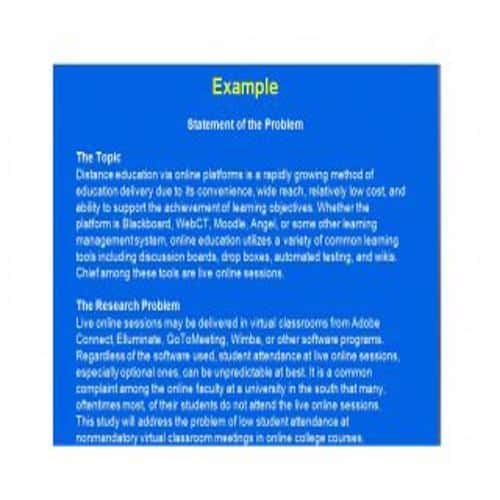
Entity’s Problem Statement Template
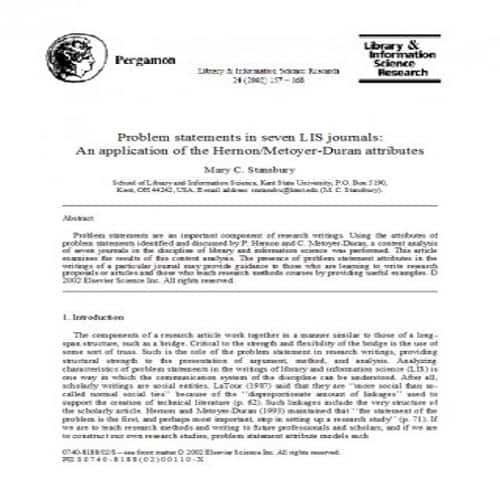
Simple Issue Statement Template
Writing a Problem Statement
A problem statement or an issue statement is of a great importance to a business. It doesn’t only identify a problem but also enables you to determine that how such a problem will be solved. As mentioned earlier, a problem statement will be different for each problem and for each type of organizations, as every entity will not be facing the same problem. However, regardless of the type of organization, following are some common steps involved in the composition of a problem statement.
Vision:
It is very important to have a clear vision in mind in order to solve a particular problem. The vision must be very clear and concise. Therefore, you should take your time to think and write down your vision carefully.
Problem Statement:
Write down a proper statement indicating the problem that is currently being faced. However, just indicating the problem is not enough. You should also present the solution by specifying the issues. The problem statement should also emphasize on the importance of finding the solution of the problem.
Plan for solving the issue:
Once the issue is identified, the next thing to do is to make a plan for solving the issue. You should specify which method you are going to use in order to solve the issue. By specifying the method, briefly explain its practical implementation and the steps involved in solving the issue being faced. This section is one of the most important element of the complete document.
Answering the 5 W’s:
An effective issue statement should always satisfactorily answer the 5 W’s:
- What: it includes the problem at hand, its effects, its boundaries and the impact of solving or not solving the problem.
- When: it indicates the beginning of the problem and by when, it should be solved.
- Who: it involves explaining the individuals or groups that will be affected by the problem and those who will be involved in solving it.
- Why: this includes emphasis on solving the issue and the impact of solving the issue on everyone within the organization.
- Where: here it is stated that where the problem occurred whether it is just in a specific department or group or in the organization as a whole.
Effective Problem Statement Templates
Exclusive Issue Statement Template
Special Problem Statement Template
Routine Problem Statement Template
Problem Statement Guideline
Developed Problem Statement Template
Specific Problem Statement Template
Managerial Problem Statement Template
Step Wise Problem Statement Template
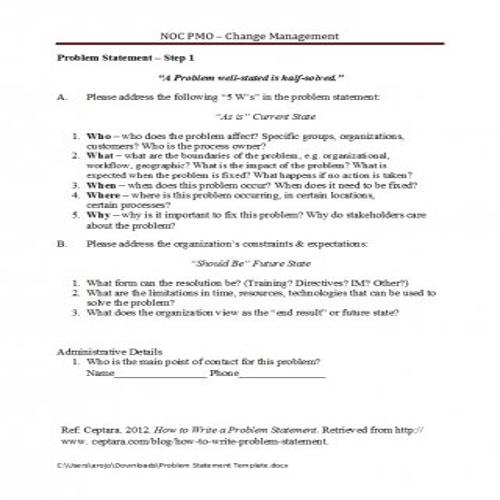
Database Problem Statement Template
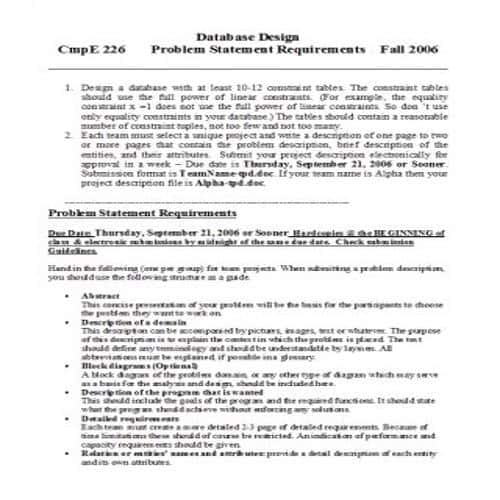
Project Simple Issue Statement Template
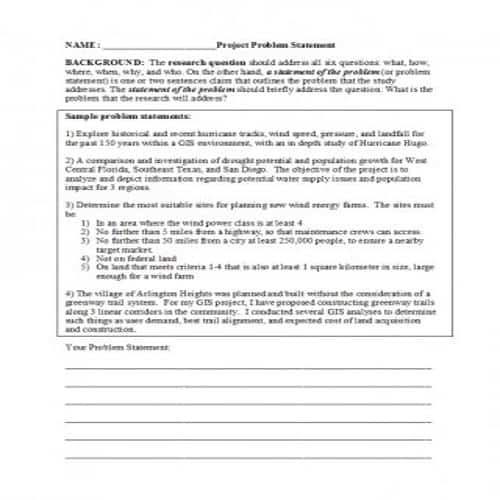
Scientific Problem Statement
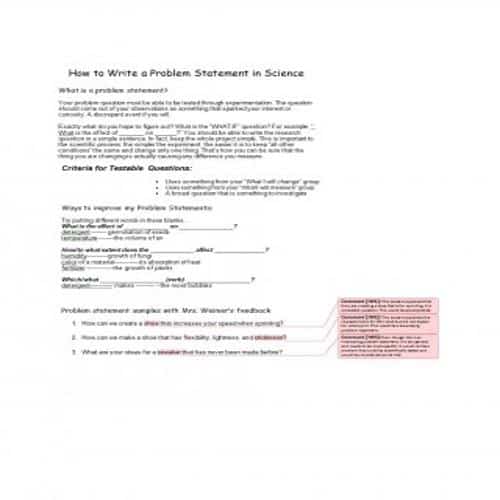
Guide to Problem Statement
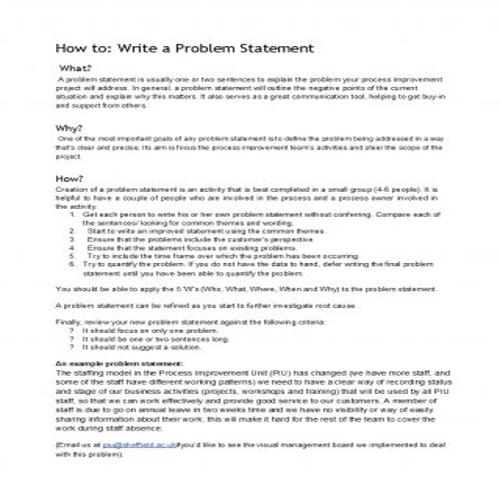
Short Problem Statement Template
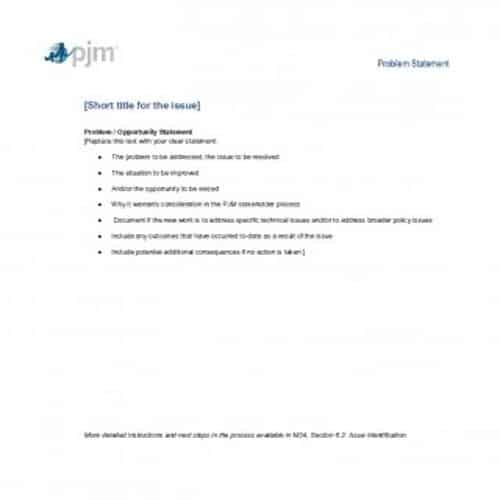
Unique Problem Statement Template
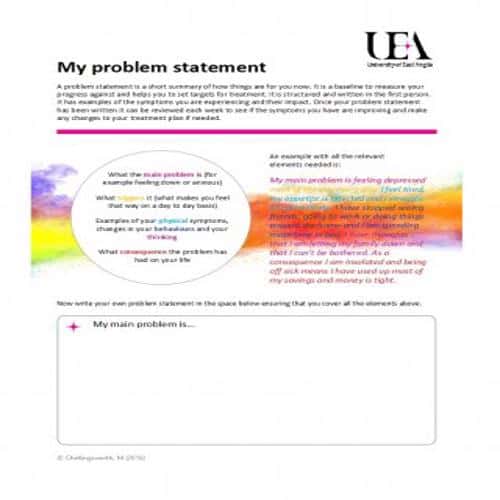
Professional Problem Statement Template
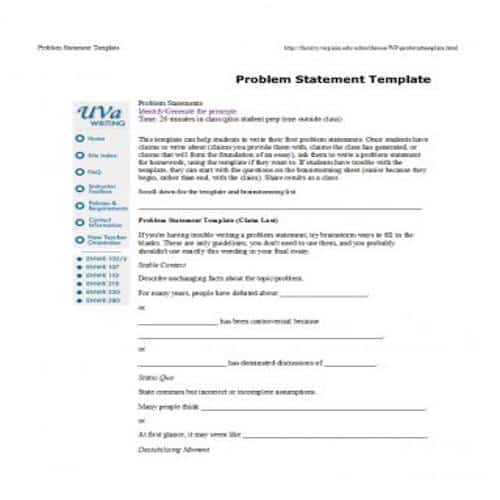
Practical Problem Statement Template
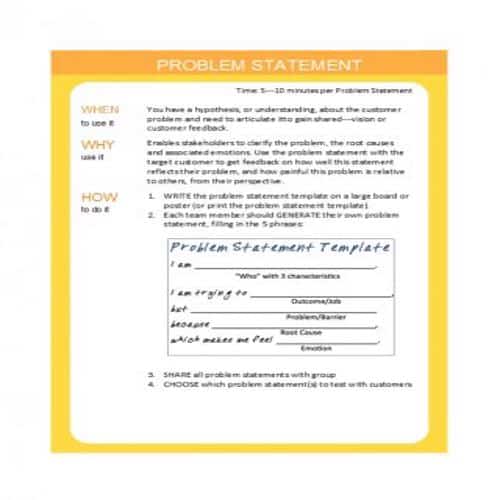
Extensive Problem Statement Template
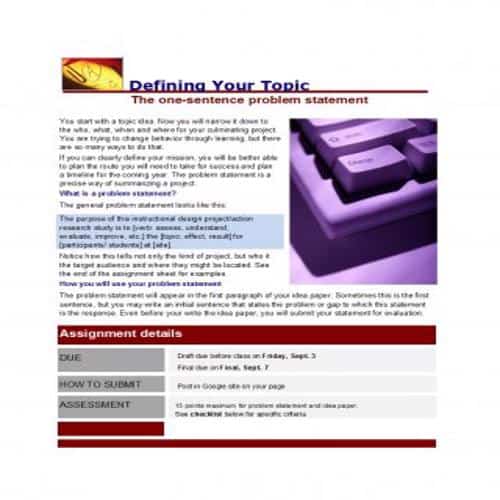
Useful Problem Statement Templates: Practical Guide
These useful problem statement templates are designed to help users communicate a focused message clearly and credibly. A strong useful problem statement template is more than an attractive layout: it should guide the user through the right information in a sensible order, make important details easy to verify, and produce a finished record that another person can understand without extra explanation.
Begin by reviewing the preview images and download options on this page. Choose the version that most closely matches your real purpose, software, paper size, and level of detail. Download a clean copy, save the original as a master, and edit a duplicate. This simple workflow protects the source file and makes later revisions much easier.
What to Include in a Useful Problem Statement template
The exact content depends on the situation, but a dependable professional communication normally needs the following information:
- Clear purpose in the opening. Add complete, current information and use the same terminology throughout the document.
- Relevant names, dates, references, and context. Add complete, current information and use the same terminology throughout the document.
- Specific facts or evidence. Add complete, current information and use the same terminology throughout the document.
- The requested action or intended outcome. Add complete, current information and use the same terminology throughout the document.
- Supporting attachments or contact information. Add complete, current information and use the same terminology throughout the document.
- An appropriate closing, name, title, and date. Add complete, current information and use the same terminology throughout the document.
Only retain sections that serve a genuine purpose. If a field is required but does not apply, use an approved notation such as “Not applicable” instead of leaving an unexplained blank. Where the document affects money, rights, employment, safety, or regulatory duties, have a qualified person review the customized version before it is issued or signed.
How to Choose the Best Useful Problem Statement template
Compare templates by substance before appearance. Check whether the structure reflects the actual workflow, whether the available fields are sufficient, and whether the file can be edited in the software you use. A shorter template that matches the task is usually better than a complicated design filled with irrelevant sections.
Also test practical details. Open the file, type realistic sample information, check tables and page breaks, verify that formulas or totals behave correctly, and print or export one test copy. If several people will use the document, ask someone unfamiliar with it to complete or review the test. Their questions often reveal unclear labels, missing instructions, or a poor sequence.
Step-by-Step Customization
- Define the purpose. Write one sentence describing what the completed useful problem statement template must record, communicate, approve, or help someone decide.
- Select the closest layout. Match the sections and workflow first; fonts, colors, and branding can be adjusted later.
- Replace every sample entry. Verify spelling, dates, amounts, addresses, identifiers, and references against reliable source records.
- Adapt the structure. Add genuinely required fields, remove irrelevant clauses or columns, and arrange the content in the order users need it.
- Apply consistent formatting. Use clear heading levels, readable type, adequate spacing, aligned tables, and a restrained color palette.
- Review and approve. Assign a responsible person to check accuracy, completeness, calculations, and authorization.
- Control the final version. Use a descriptive filename, include the revision date when appropriate, and store the editable and final copies securely.
Common Mistakes to Avoid
The most common problems with useful problem statement templates include generic wording, unsupported claims, unclear requests, incorrect names or dates, an unsuitable tone for the audience. Users also sometimes preserve instructions, example data, tracked changes, hidden comments, or blank pages from the source file. Complete a final content review and a separate visual review before distribution.
A template should not be presented as an official record from a bank, government office, court, school, employer, or other institution unless it has actually been issued or authorized by that organization. Do not add seals, signatures, certifications, or claims that could mislead the recipient.
Quality-Control Checklist
- Every placeholder, instruction note, and sample value has been replaced or removed.
- Names, dates, amounts, calculations, contact details, and references have been verified.
- Headings, labels, capitalization, numbering, and terminology are consistent.
- Required evidence, attachments, signatures, approvals, and submission details are identified.
- Links, formulas, tables, page numbers, margins, and page breaks have been tested.
- The final copy contains no comments, tracked changes, hidden data, or confidential examples.
Frequently Asked Questions
Are these useful problem statement templates editable?
Yes. Use the available download format to change text, fields, tables, colors, and branding. Keep an untouched master copy so the original structure remains available.
Which format should I use?
Word is suitable for text-heavy documents and flexible page layouts. Excel is better for calculations, recurring logs, schedules, or structured data. PDF is useful for a final copy whose appearance should remain fixed. Choose the format offered by the specific download and appropriate to your workflow.
Can I use a downloaded useful problem statement template for professional purposes?
It can provide a useful starting point, but it must be customized for the organization, transaction, audience, and applicable rules. Seek professional advice where legal rights, financial obligations, safety, compliance, or formal employment decisions are involved.
How do I make the document easier to complete?
Use short labels, plain instructions, a logical order, enough writing space, and examples only where they clarify the expected response. Mark mandatory fields consistently and avoid requesting information that is not needed.
What should I check before sharing it?
Proofread the wording, verify facts and calculations, test printing and links, confirm authorization, remove editing marks, and make sure the filename clearly identifies the approved version.
