
A reading log is a simple record of what someone reads, usually with the date, the book and how long they read. Teachers hand them out so students build a daily habit, parents use them to track reading at home, and adult readers keep one to remember the books they finish. Many schools ask for a weekly log signed by a parent.
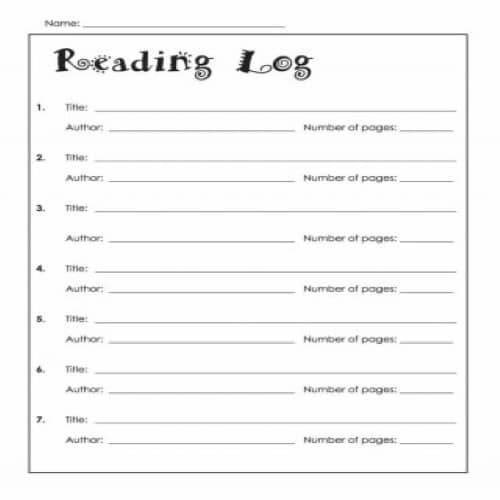
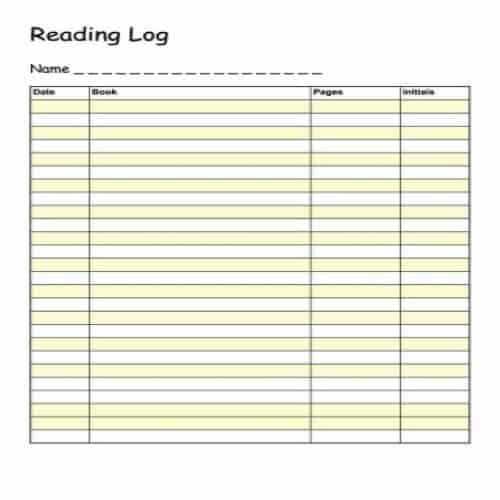
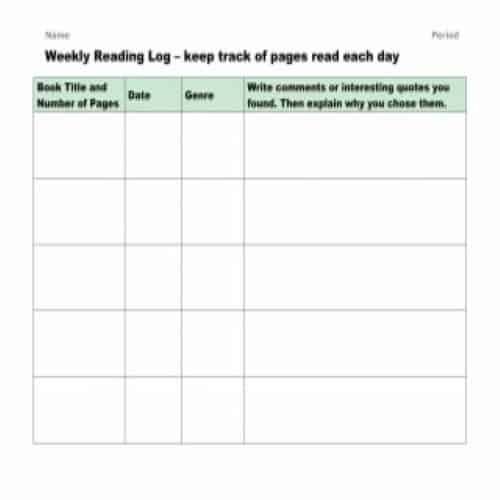
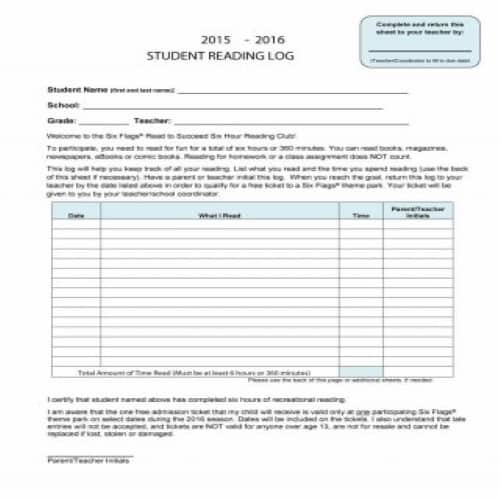
This page has 35 free reading log templates for different ages and uses. There is a student reading log, a home log for families, a personal log for adults, a simple one-line-per-day version and a detailed log with room for notes. Younger children can use the reading log for kids with icons or the primary level layout. Each one is a printable reading log you can fill in by hand.
Print a month at a time and keep it in the book bag, so the log travels between school and home and never gets left behind.
Teachers and parents who track reading often use our report card templates to share progress, lesson plan templates to plan reading activities, and parent contact log templates to record conversations with families.
Reading Log Templates
Personal Reading Log
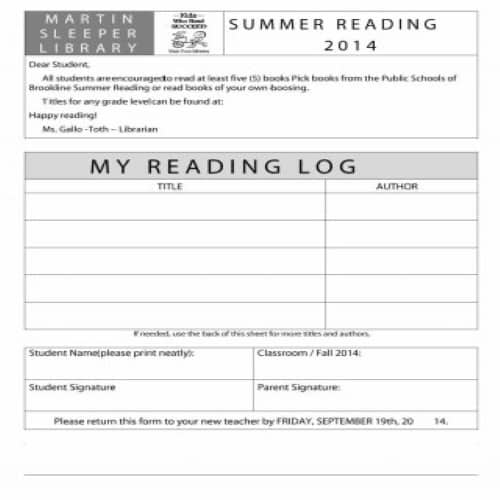
Home Reading Log
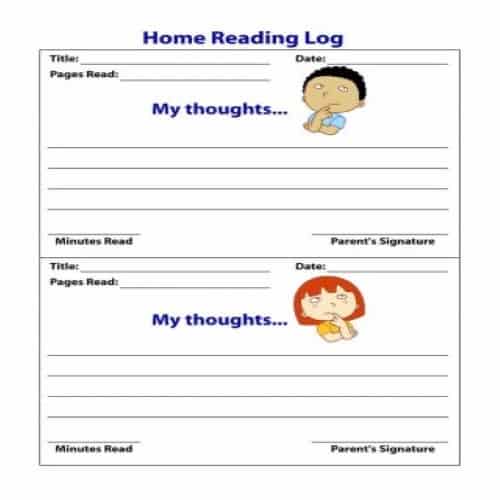
Student Reading Log
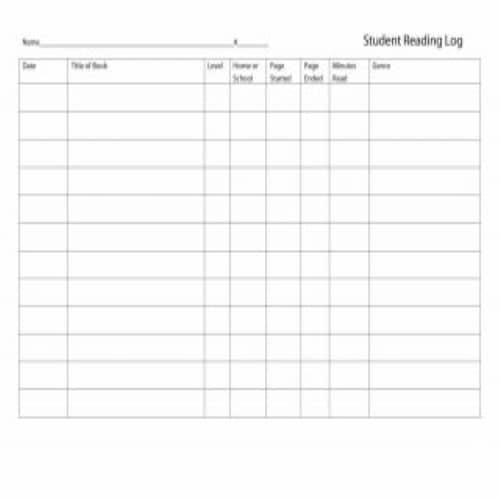
Shelf Reading Log
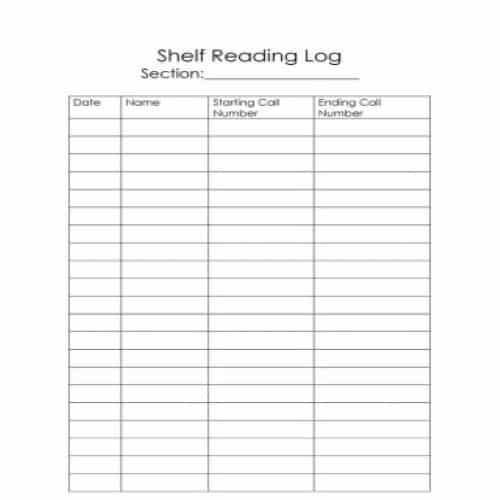
Simple Reading Log
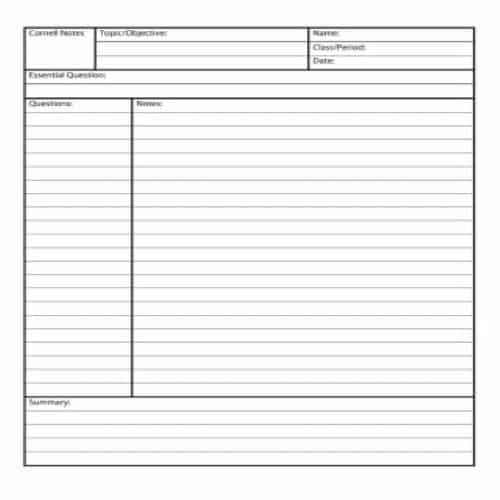
Deatiled Reading Log

Reading Log with Icons
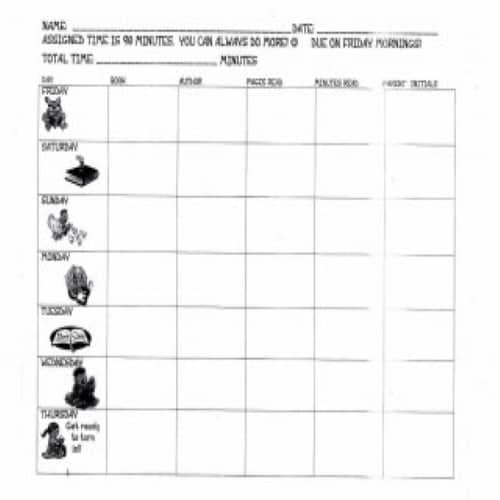
Primary Level Reading Log
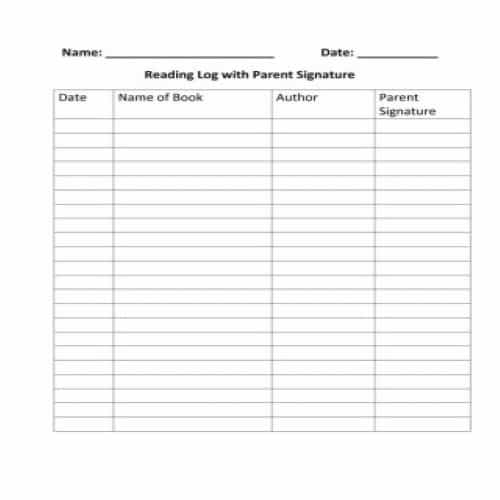
Daily Reading Log

Reading Log with Details

Stylish Reading Log

Weekly Reading Log

Simple Daily Reading Log

Blank Daily Reading Log

Student Reading Log
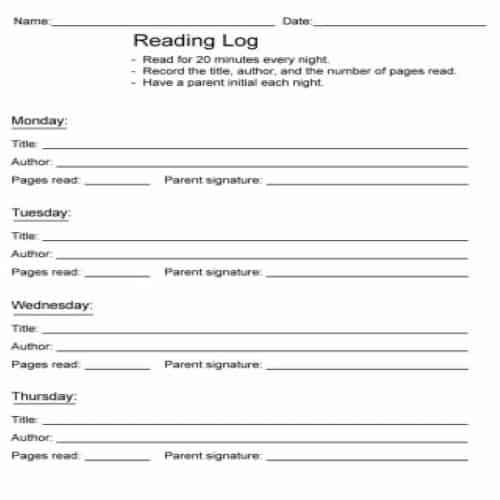
Home Reading Log Template
Colored Simple Reading Log
Decent Weekly Reading Log
Importance of keeping a Reading Log
Now we know that what a reading log is, let’s talk about the importance of keeping a reading log.
- Even regular readers often don’t remember what they have read. As you read more and more books, it naturally becomes hard to remember everything. A reading log helps you remember what you have already read. With a proper reading log, you can easily find and recall any point or important detail from a particular book.
- A reading log or reading journal also shows your favorite genre. Suppose you have been reading books for a year or two and keeping a proper reading log. You will have read many different types of books in that time. If you go through your reading journal in your free time, you can decide your favorite genre. The genre you have read the most during this period is most likely the one you are most interested in.
- A reading log also helps you keep a record of how much you have read. Whether you read a book for research, for a project or simply because you enjoy reading, a reading log shows the actual number of books you have read in weeks, months and years. It gives you a sense of satisfaction and achievement, even if it is not a big deal for someone else.
- As mentioned above, reading books gives you a sense of achievement. A reading log lets you write down your views, remarks and comments. It also helps you record why a particular book is important and why you would recommend it to others. This activity also improves your ability to review critically.
- Writing about your experience of a book in your reading log shows that you understood it well. You also learn more about story writing, content, structure, syntax, character building, vocabulary and much more. Reading books by different authors and writing about them in your reading log makes you more creative and sharpens your thinking. If you want to become a writer in the future, this practice will help you a great deal.
Sample Reading Logs
Student Reading Log
Sample Reading Log

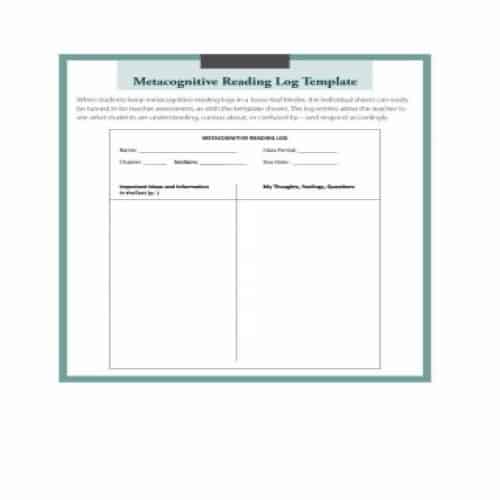
Meta-cognitive Reading Log
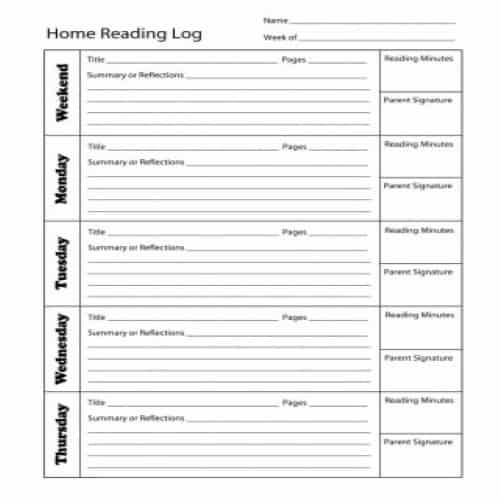
Home Reading Log
Weekly Blank Reading Log

Example Reading Log

Daily Simple Reading Log

Short Reading Log

Simple Style Reading Log

3 Column Reading Log

Decent Reading Log

Personal Reading Log

Simple Reading Journal

Home Reading Log Sample

Elegant Reading Log

Catchy Reading Log

Weekly Reading Log

Elements of a Reading Log
Some important items must be included in a reading log. These items are listed below:
- Title of the book that you are reading.
- Name of author.
- The date you started reading.
- The date you finished reading the book.
- Total number of pages of the book.
- Category or genre of the book.
- The date on which the book actually published.
Besides these compulsory items, you can also add these following interesting things to modify your reading log:
- A short summary of the plot, usually a paragraph.
- A scale that determines the likeness of the book e.g, a rating between 1 to 10 etc.
- Include your favorite and relevant quotes.
- The character of a particular book, that you hated the most.
- The character that you liked the most.
- The most interesting character in the story. It can be one of the characters mentioned in points 4 and 5 above, or another character.
- Mention the strengths and weaknesses of the overall story.
- The ultimate lesson or moral that can be learned from the story.
Using a Reading Log to Support Progress
Choose a simple title-and-date log for habit building and a more detailed version for reflection or classroom assessment. Record information that serves the reader’s goal rather than turning every reading session into paperwork. For reading assigned as coursework, WordNExcelTemplates’ assignment planner can track due dates while the reading log records the sessions and reflections.
- Agree whether the log tracks books, pages, minutes or a combination.
- Record each session consistently and add a short reflection where useful.
- Review patterns and choose a manageable next reading goal.
Worked Example
Example: a pupil records 15 minutes of reading and one sentence about a character’s decision. A teacher can discuss that observation without treating the page count alone as proof of comprehension. For an adult reader, a short note about a useful idea may serve the same purpose.
Common Mistakes to Avoid
Avoid comparing page counts across books with different difficulty or print sizes. Keep reading logs encouraging and distinguish completed books from abandoned or ongoing ones.
Related Templates
Frequently Asked Questions
Should I track minutes or pages?
Minutes can support a regular habit; pages can show progress through a specific book. Choose the measure that fits the goal and avoid interpreting either as a complete measure of understanding.
What belongs in a reflection?
A question, useful idea, short summary or observation about the text. Keep it brief enough that the log supports reading rather than displacing it.
