
A bill of materials (BOM) is a complete list of the parts, raw materials and sub-assemblies needed to build one product, with the quantity of each. Manufacturers, engineers and purchasing teams use it to plan production, order stock and work out what a finished unit costs. Small makers use one too, for example a furniture workshop pricing a new table design.
This page has 41 bill of materials templates that are editable and free to download. Each gives you a ready table, so you only fill in your own parts and figures. Use one as a BOM template for a single assembly, or adapt it as a bill of materials format for a product with several levels.
Before you start, decide whether you need an engineering BOM, which follows the design, or a manufacturing BOM, which follows how the product is actually built. Keep one master version per product and add a revision number each time it changes.
When you order the parts on your BOM, see our request for quotation templates to compare suppliers and purchase order templates to place the order.
Best Bill of Materials Templates
Bill of Materials Template
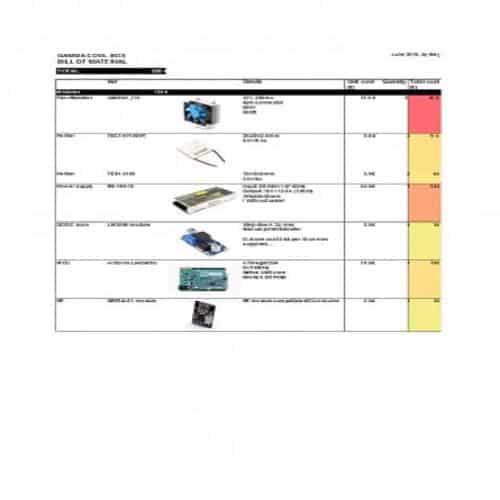
Bill of Material Template
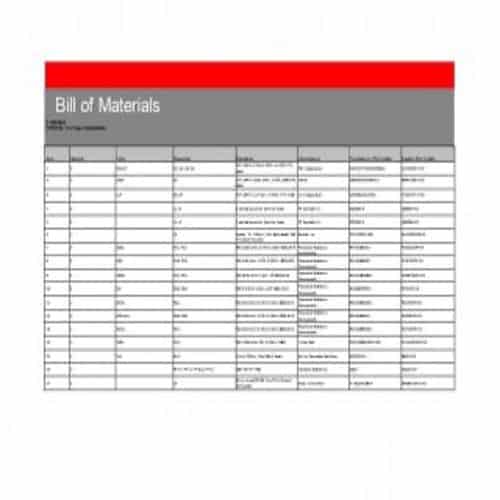
Bill of Materials Template
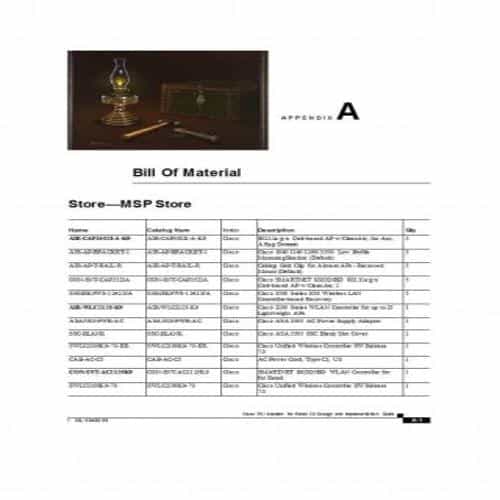
Bill of Material Template
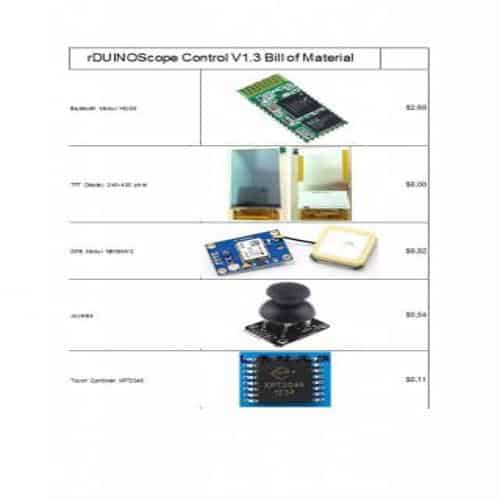
Bill of Materials Template
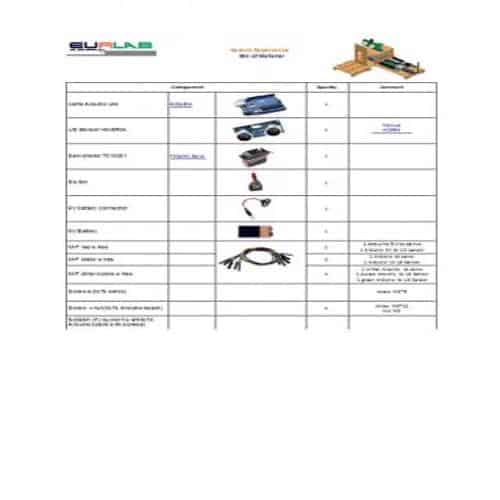
Bill of Material Template
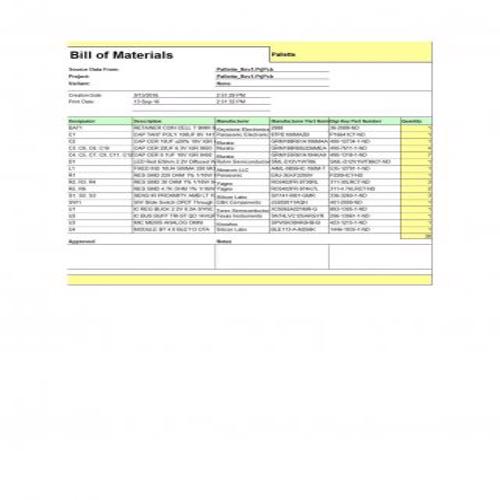
Bill of Materials Template
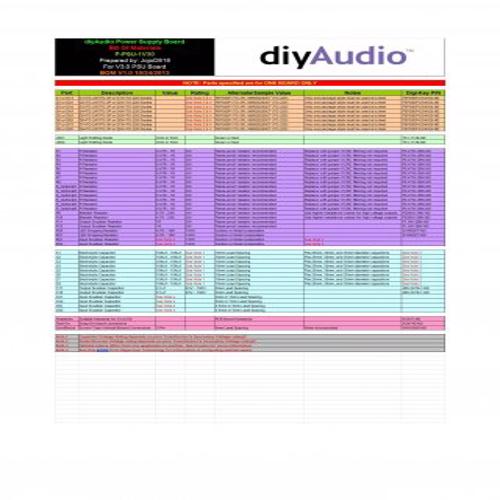
Bill of Material Template
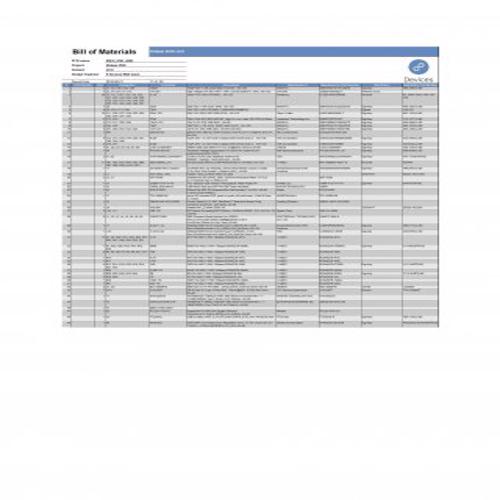
Bill of Materials Template
Bill of Material Template
Bill of Materials Template
Bill of Material Template
Bill of Materials Template
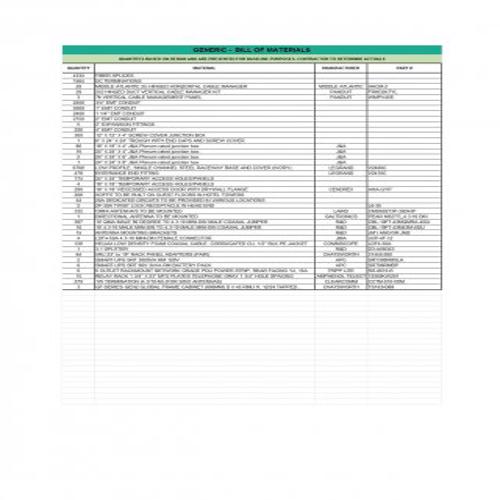
Bill of Material Template
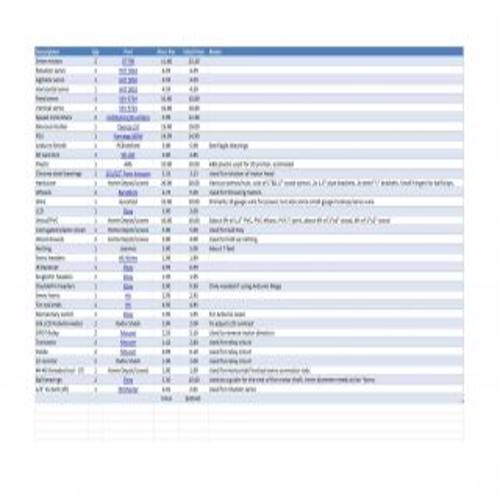
Bill of Materials Template
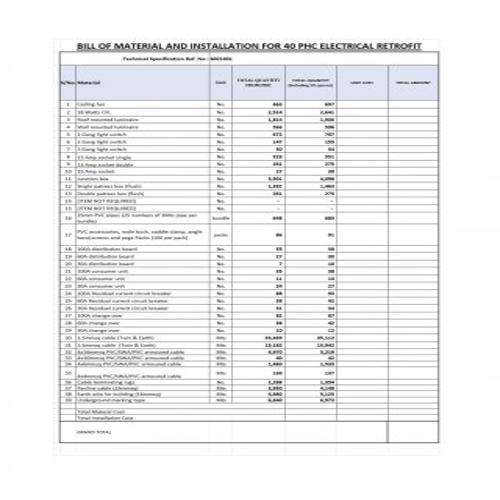
Elements of a Standard Bill of Material Template
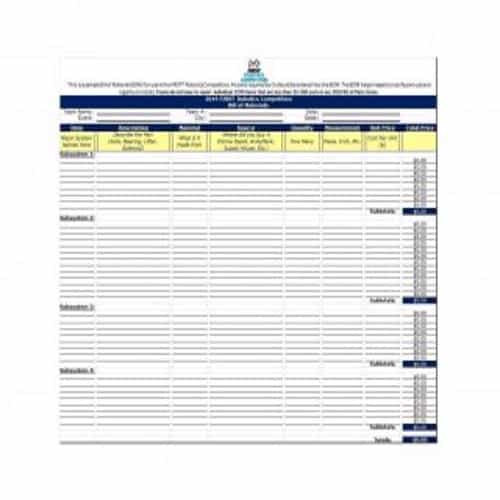
Following are some common elements of a standard bill of material template:
- The exact name of the each part or item that is used or to be used in manufacturing.
- A specific part number or item number which is used for reference and to avoid any confusion.
- Complete details and description of every part.
- The level, phase or stage of the production at which a particular part is used or to be used.
- A diagram or picture for each part, if possible.
- The quantity of each part.
- Per unit price for each part or item.
- The unit used for measurement.
- Name of the vendor.
- Any additional information.
Useful Bill of Materials Templates
Bill of Materials Template
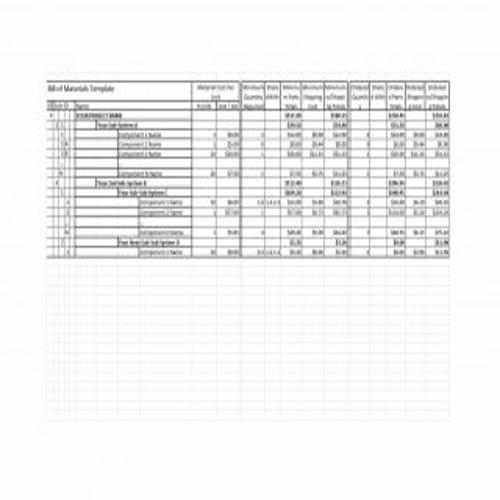
Bill of Material Template
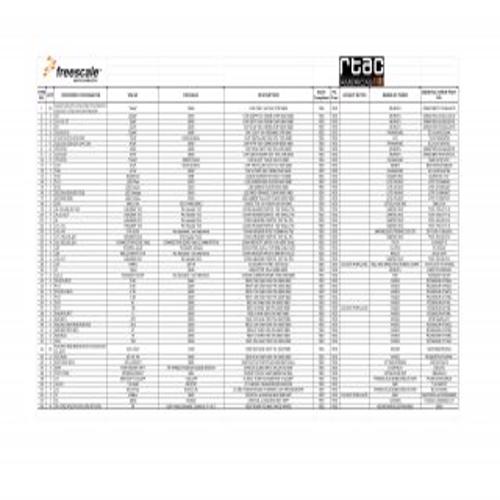
Bill of Materials Template
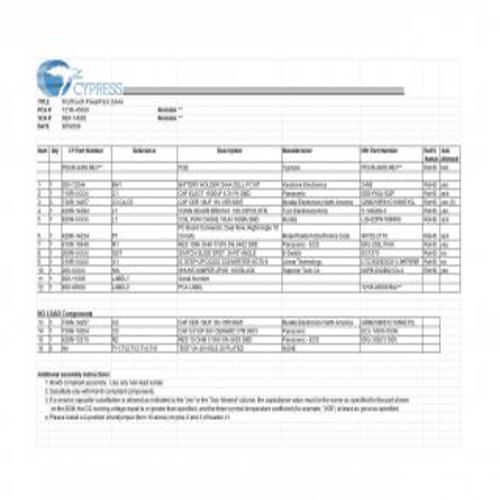
Bill of Material Template
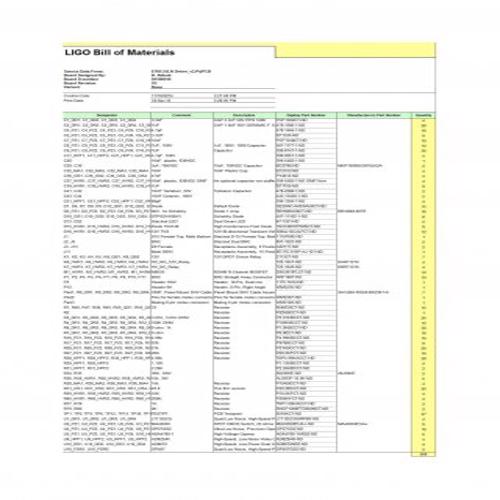
Bill of Materials Template
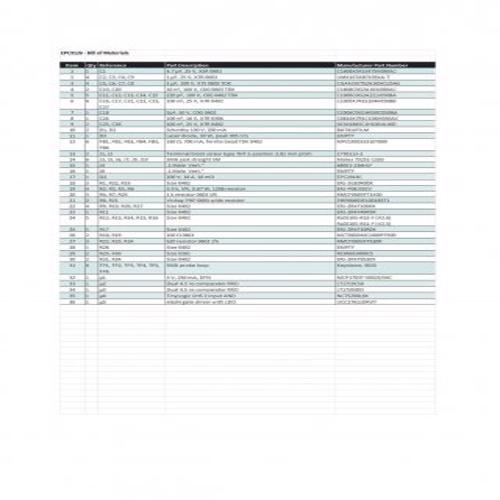
Bill of Material Template
Bill of Materials Template
Bill of Material Template
Bill of Materials Template
Bill of Material Template
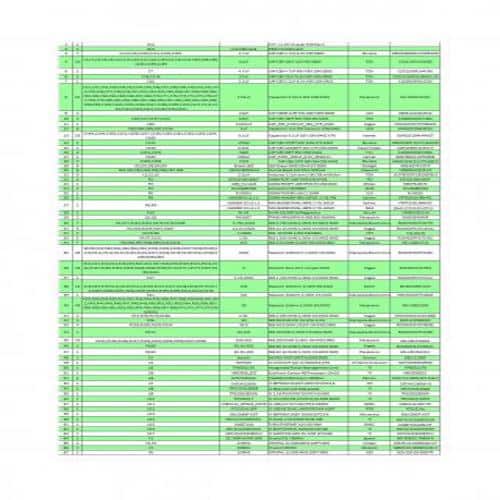
Bill of Materials Template
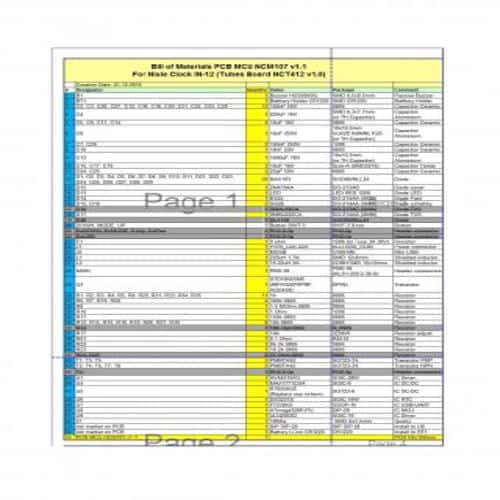
Bill of Material Template
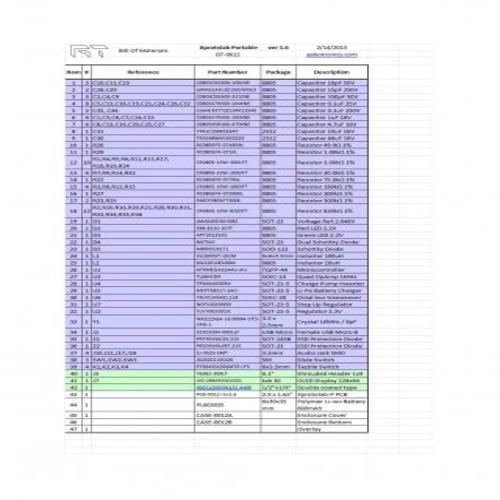
Bill of Materials Template
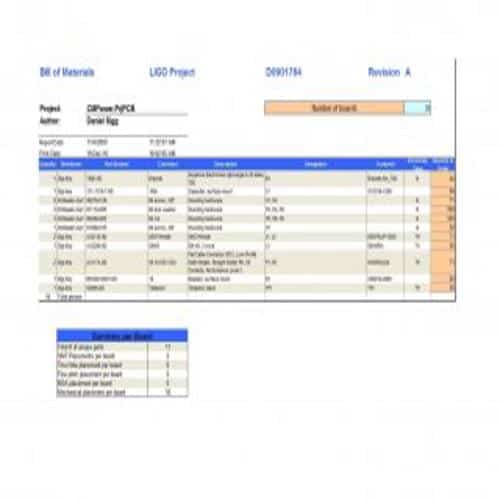
Important things to consider in case of a BOM:
A BOM is an essential part of a manufacturing process. When preparing a BOM, always consider the following important points:
- Always check for items that need to be categorized. Small items like wires, glue and similar items are often left out of a BOM. These items are necessary for manufacturing, so they must be properly recorded in the BOM.
- Attach all the necessary documents to your BOM. These usually include designs, drawings and instruction manuals.
- Don’t forget to consider the users of the BOM. Make sure the BOM provides all the details its users need.
- Make necessary changes to your BOM consistently and keep it updated. These changes can be made before production starts, during the design phase. Every user of the BOM must know about any such changes, so that everyone is using the updated version.
More Bill of Materials Templates
Bill of Materials Template
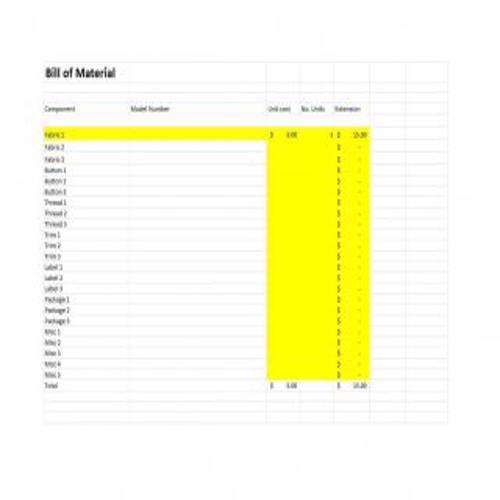
Bill of Material Template
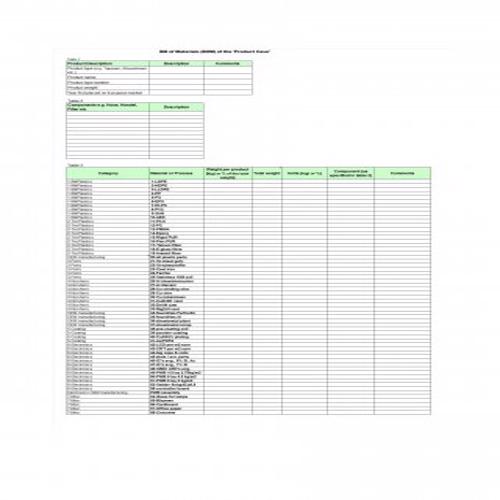
Bill of Materials Template
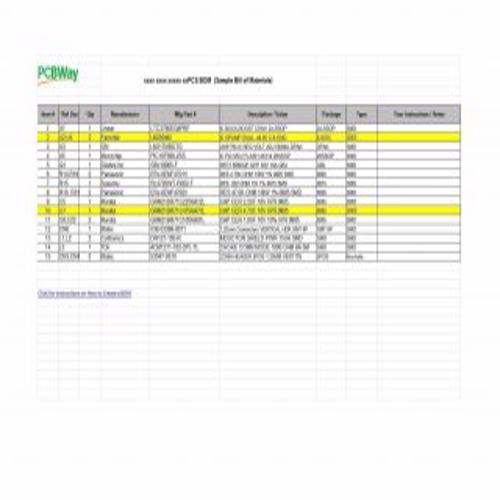
Bill of Material Template
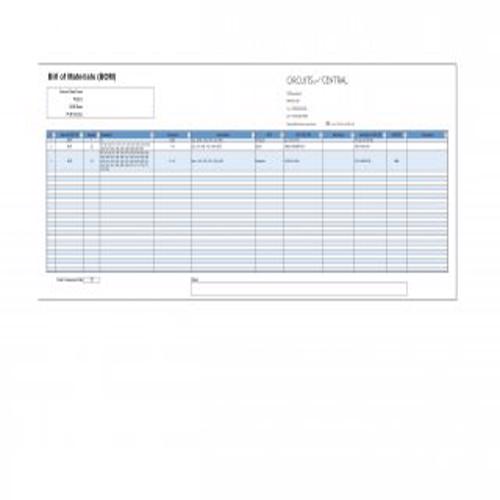
Bill of Materials Template
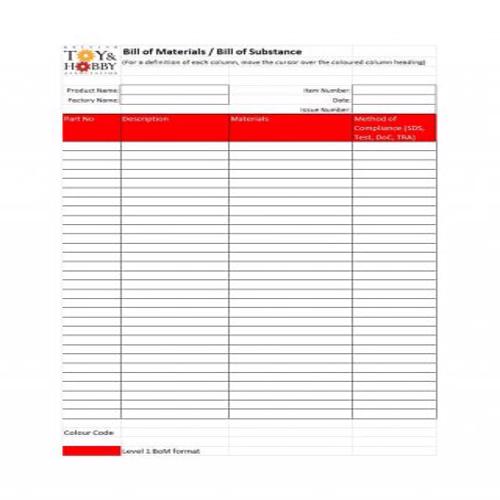
Bill of Material Template
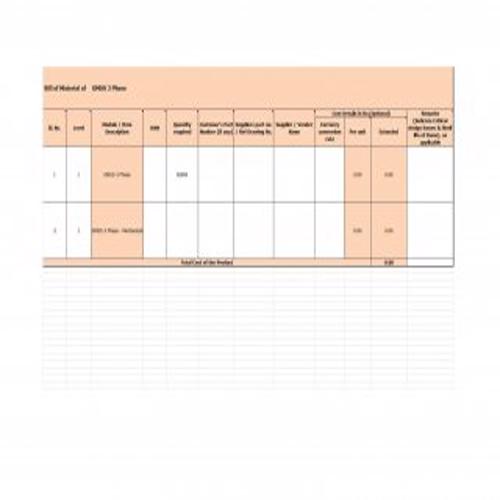
Bill of Materials Template
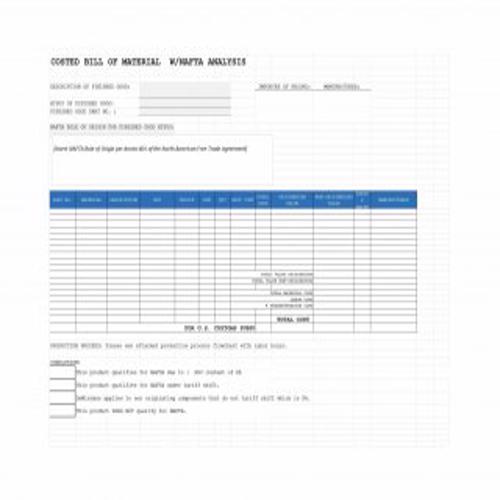
Bill of Material Template
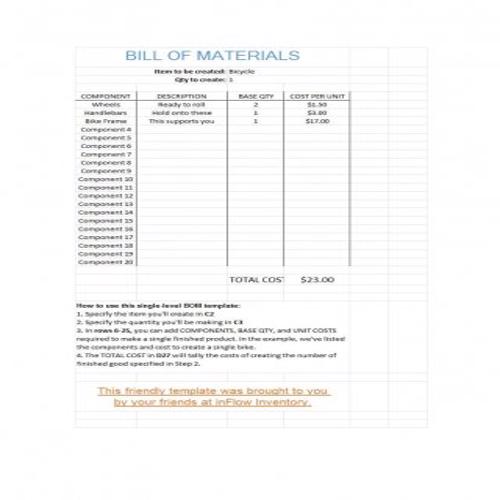
Bill of Materials Template
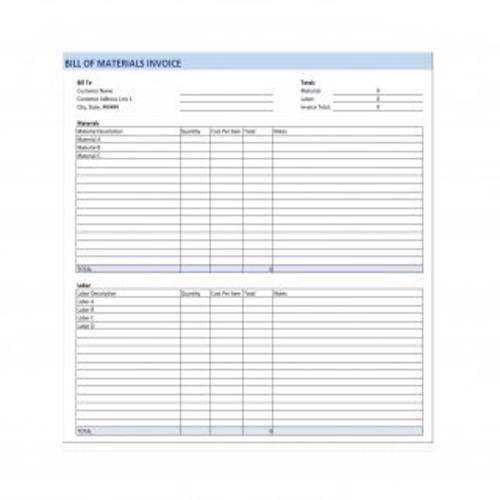
Bill of Material Template
Bill of Materials Template
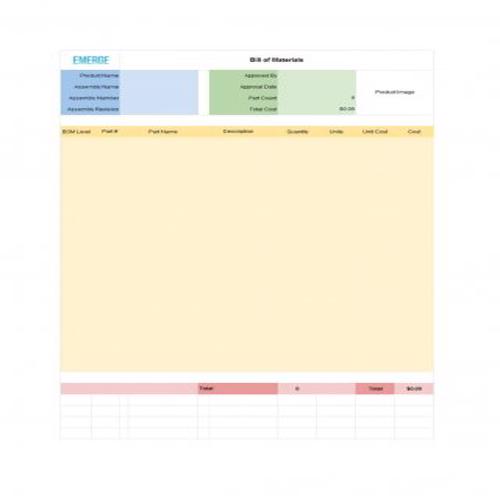
Bill of Material Template
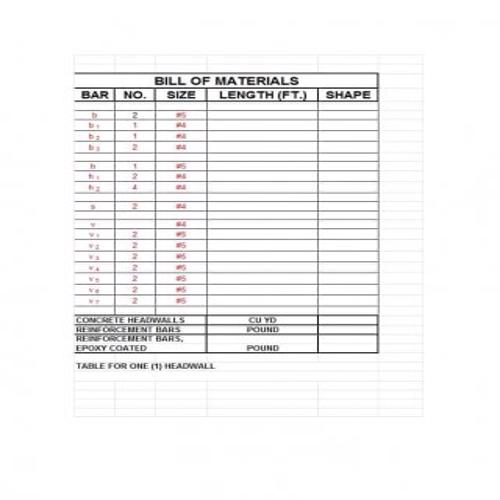
Bill of Materials Template
Benefits of using a BOM:
Some benefits of using a BOM are mentioned below:
- A BOM contains a complete list and details of the materials, items and sub-items used in a manufacturing process, which helps the whole process run effectively and efficiently.
- A BOM ensures flexibility and adaptability in the manufacturing process.
- A BOM enhances the internal communication between the different departments engaged in the manufacturing process.
- It ensures accurate management of the resources, thus avoiding abnormal wastages.
- A BOM is quite helpful when it comes to creating homogenous products in the future.
- A BOM allows effective decision making regarding the manufacturing of a product.
- A BOM keeps proper track of inventory levels.
Building a Bill of Materials for a Specific Revision
Choose a BOM layout that identifies the finished item and its revision. Manufacturing, purchasing and engineering views may need different detail, but they should remain traceable. When approved components need ordering, WordNExcelTemplates’ purchase order templates can carry the BOM’s item references and quantities into the purchasing process.
- Identify the parent assembly, revision and unit of measure.
- List component references, quantities and specifications consistently.
- Review substitutions, approval status and links to drawings or part records.
Worked Example
Example: an assembly needs four M6 bolts per unit. A build of ten units therefore needs 40 before any separately stated allowance. If the bolt changes, update the relevant revision and approval record rather than silently replacing the description.
Common Mistakes to Avoid
Avoid mixing per-unit and total-build quantities in one unlabeled column. Do not treat an unapproved alternative as an equivalent part.
Related Templates
- Certificate of Origin Templates
- Requisition Form Templates
- Business Startup Budget Templates
- Request for Quotation Templates
Frequently Asked Questions
Should costs be included in every BOM?
Include them when they serve the intended purchasing or costing purpose. Keep the source and date clear because prices may change independently of the technical specification.
What is the difference between a BOM and a parts list?
The terms can overlap. A structured BOM commonly shows how components relate to an assembly, with quantities and revision control needed for the intended workflow.
