
A risk analysis is a structured review of what could go wrong in a project, workplace or business, how likely each event is and how serious the impact would be. It helps you decide which risks to deal with first and what controls to put in place. Project managers, safety officers, universities and small business owners carry one out before a new project, event or process.
The page offers 30+ risk analysis templates and examples, editable and free to download. They include a risk analysis plan, a risk assessment template, a university risk assessment, a risk management plan and a risk management procedure. Each risk analysis example can also act as a risk matrix for scoring.
Involve the people who do the work when you list hazards. They know the shortcuts and near-misses that rarely appear in reports. Then review the analysis whenever the process, team or location changes, not just once a year.
A risk analysis is usually the first step in a wider risk process. Record what you find in our risk register templates, prepare responses with contingency plan templates, and cover workplace hazards with our safety plan templates.
Risk Analysis Templates in MS Word
Risk Management Plan
University Risk Assessment
Risk Analysis Sample
Risk Analysis Plan Template
Risk Assessment Sample
Risk Management Procedure
Sample Risk Management Plan
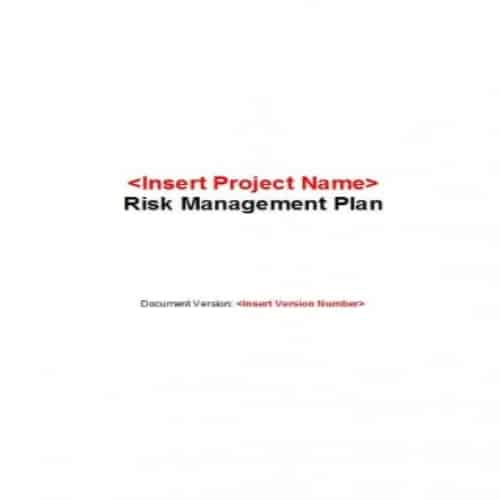
Risk Assessment Template
Project Risk Management
Health Care Risk Assessment
Risk Analysis Report

Risk Analysis Workbook
NASA Sample Risk Analysis
Risk Management Framework
Networking Group Risk Analysis
Physician Risk Analysis Report
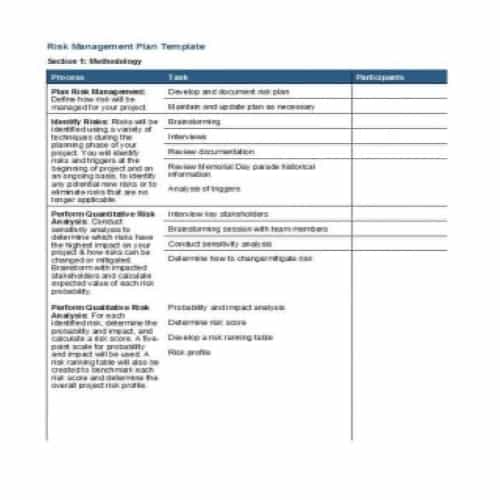
Sample Risk Management Plan
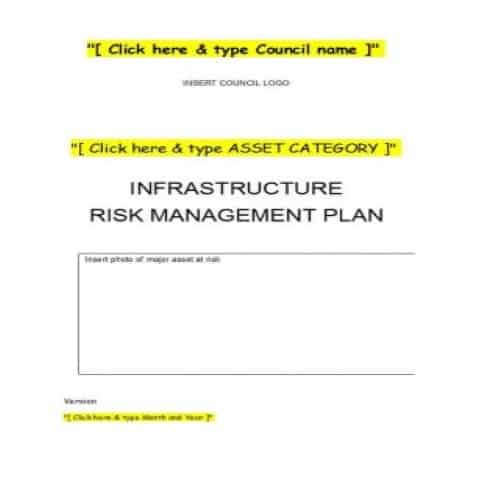
Infrastructure Risk Analysis Plan
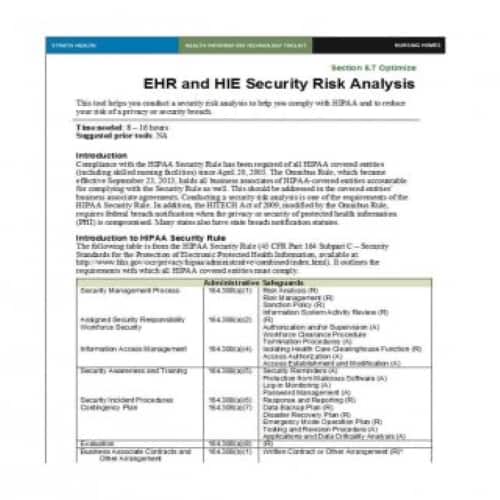
Security Risk Analysis Template
Elements of an effective Risk Analysis Report
Some of the important things that you should consider in your risk analysis report are as follows:
Management of Project:
A project or task cannot be completed if the organization fails to manage it properly. So it is important to identify and minimize the potential risks that make a project hard to manage. Some of these risks are:
- Not enough workforce available or involved in the project.
- Too many people are involved in the project.
- A business carrying out many projects at the same time.
- Planning or control of the project is not proper.
- Modifications in the project are not properly implemented.
- There is a conflict of interest.
- Project is not properly organised.
After identifying all the possible potential risks, arrange them according to their likelihood of happening.
External Factors:
Every project faces external factors. The biggest drawback is that these factors cannot be controlled; the organization has no influence over them. External factors can be predictable or unpredictable.
Predictable external factors can be identified through assessment, information and research. When you identify them, record their details and their possible impact. Some predictable external risks are:
- Increase in Inflation.
- Changes in technology.
- Social changes.
- Changes in environment.
- Changes in governmental policies e.g, tax increases.
Unpredictable factors occur without any prior warning or information. The main unpredictable risks are:
- Sabotage.
- Natural disasters.
- Side effects.
Legal and Technological factors:
Legal risks can sometimes cause serious trouble. That is why you need to identify and analyze them properly. Some legal risks are:
- Breach of contracts.
- Labor disputes.
- Different issues at workplace.
- Bills and legislation.
- Violations e.g, of trademark or a license etc.
Technological risks arise mainly from changes and advances in technology. Identify these risks by category and then record their possible impact on your project.
Risk Analysis Templates in MS Excel
Risk Analysis Sheet
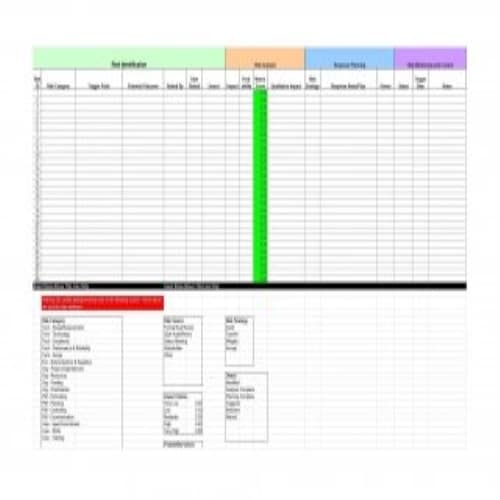
Sample Risk Analysis Plan
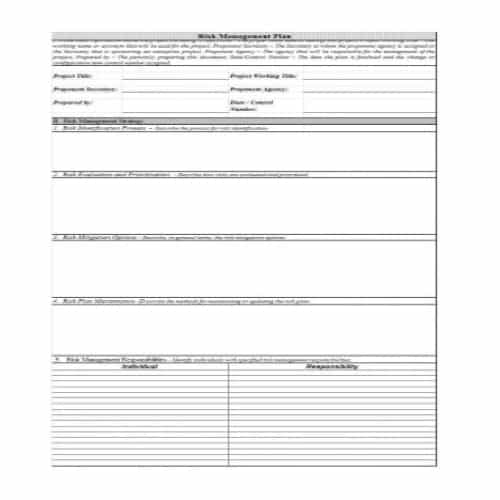
Project Risk Analysis Sheet
Simple Risk Analysis

Risk Analysis Blank Sample
Quantitative Risk Analysis

Sorted Risk Analysis
Detailed Risk Analysis Sample
Risk Analysis Table
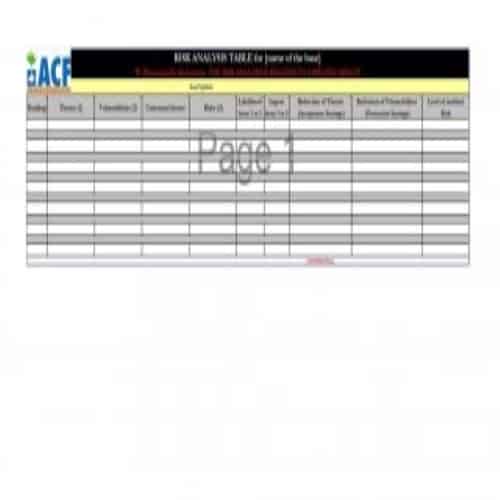
Risk Analysis with Evaluation
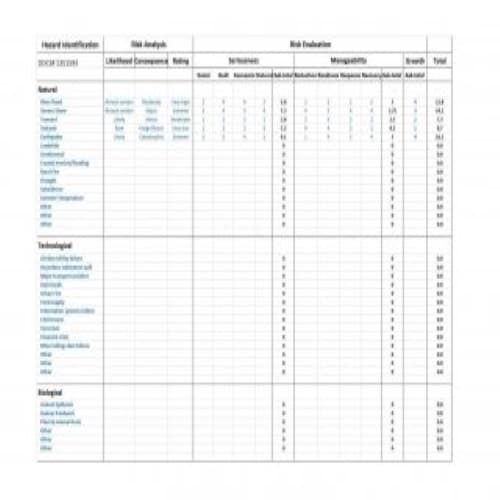
Fire Protection Risk Analysis
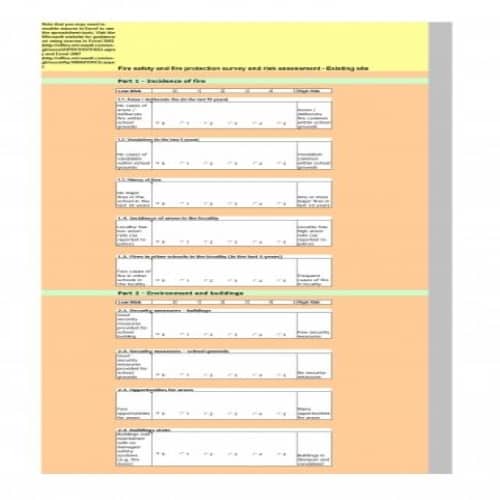
Company Risk Analysis Report
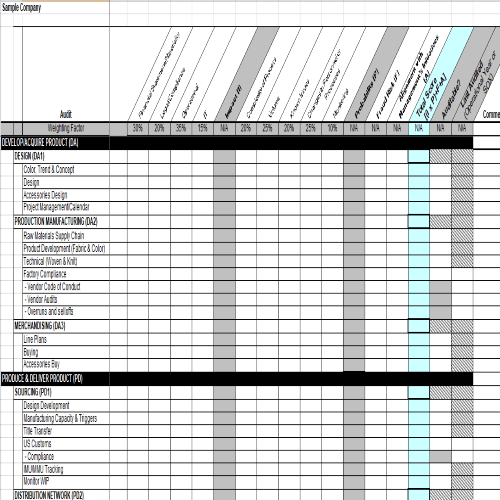
Project Risk Analysis Sample
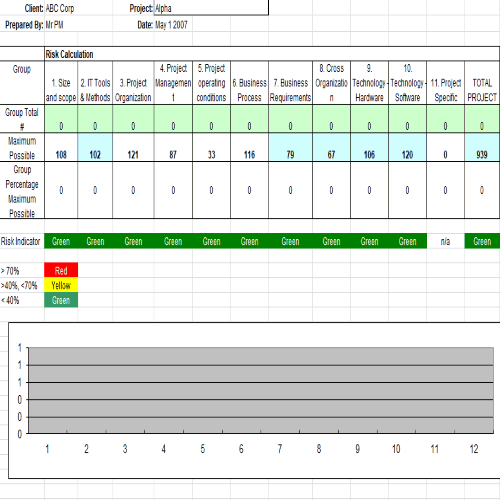
Formal Risk Analysis
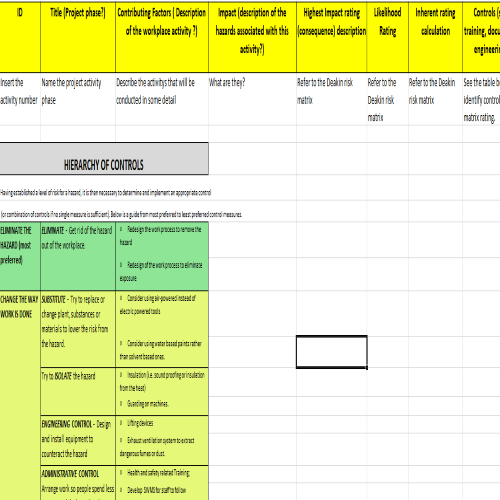
Sample Risk Assessment Analysis
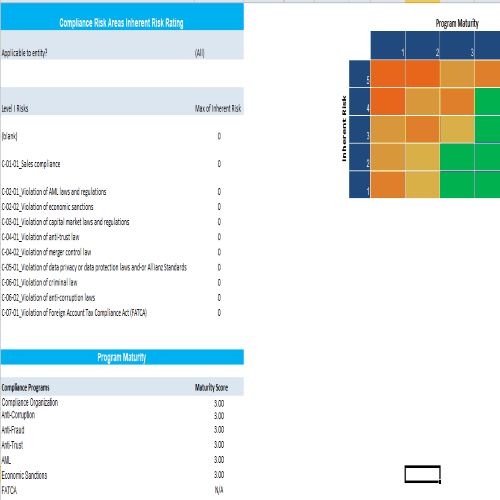
Sample Risk Analysis Sheet
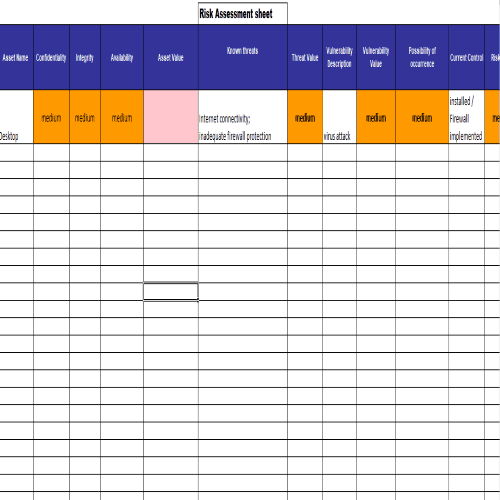
Advantages of Risk Analysis
Risk analysis is very important to every business because it has many advantages. Some of these advantages are:
- Risk analysis will help in creating awareness in employees.
- It helps reduce issues at workplace.
- It can be used as a tool for training of workforce.
- It helps to identify and properly manage potential risks and threats for better performance.
- By being more proactive, risk analysis ultimately helps you save a lot of time, effort and money.
- Risk Analysis improves the health and safety standards at the workplace.
Using a Risk Analysis Matrix Consistently
Choose a method suited to the decision and available evidence. A simple matrix can support discussion, but its scores are not precise measurements unless the scoring method supports that interpretation. When the analysis identifies threats to ongoing operations, WordNExcelTemplates’ business continuity plan checklists can help turn those findings into preparedness and recovery tasks.
- Define the objective, hazards or events being assessed and the rating scales.
- Assess likelihood and impact using the same assumptions for each entry.
- Identify controls, owners and follow-up actions, then explain limitations.
Worked Example
Example: if “high impact” means a delay exceeding two weeks, use that definition across the project assessment. Do not rate one risk by financial loss and another by personal impression without explaining the difference. A consistent scale makes the discussion more useful than decorative colour alone.
Common Mistakes to Avoid
Avoid treating a multiplied score as a guaranteed probability or allowing the colour to replace a written explanation of the risk and response.
Related Templates
Frequently Asked Questions
Is a risk matrix enough to make a safety decision?
Not necessarily. The method, competence and requirements depend on the activity. Use appropriate specialist assessment where the consequences or applicable requirements demand it.
Should I assess risks before or after controls?
Label both clearly if you record both. Distinguish the situation without controls from the remaining exposure after specified controls are in place.
