
A contingency plan is a “Plan B”: a written set of steps a business follows when a specific risk actually happens, such as a supplier failure, a data breach, a chemical spill or a sudden cash shortage. Operations managers, IT teams, finance departments and project leads write them in advance, so people know exactly what to do instead of improvising under pressure.
Below are 30+ contingency plan templates covering different risks. There’s an IT contingency plan for system outages, a spill contingency plan, a contingency funding plan for cash shortfalls and a corporate plan for company-wide use. For a quick start, use the simple version or a blank contingency plan format.
Write one plan per serious risk rather than one vague plan for everything. Keep it short enough to follow in a crisis, and store a printed copy where people can reach it if computers or networks are down.
Contingency planning starts with knowing your risks. See our risk analysis templates, risk register templates to track each risk, and safety plan templates for emergencies that affect people on site.
Contingency Plan Templates
Contingency Funding Plan Template
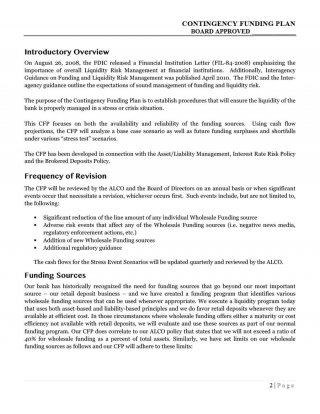
Spill Contingency Plan Template
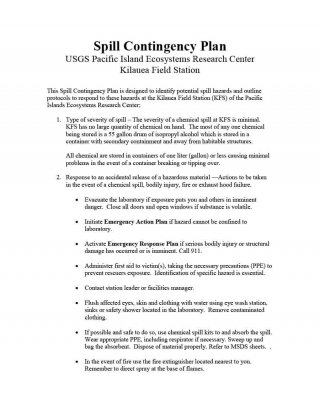
I.T Contingency Planning Template
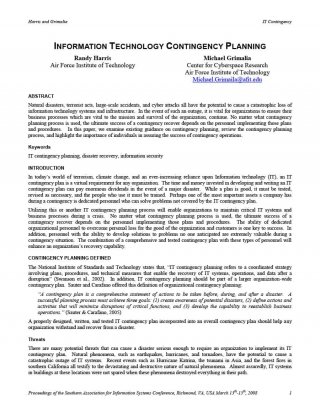
Simple Contingency Plan Template
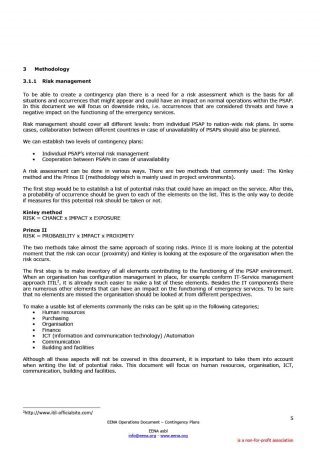
Urgent Contingency Plan Template
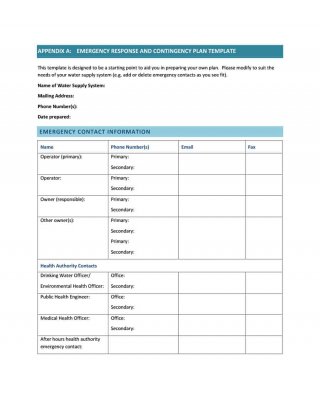
Company Contingency Plan Template
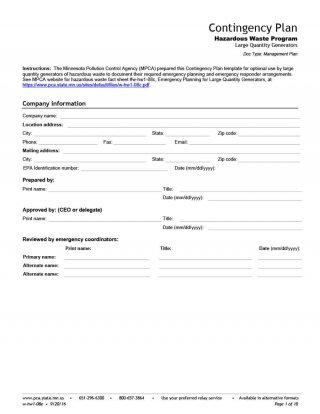
Blank Format Contingency Plan Template
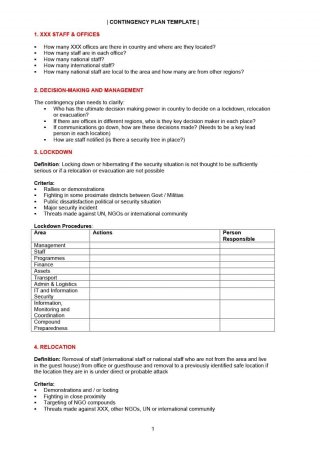
Corporate Contingency Plan Template
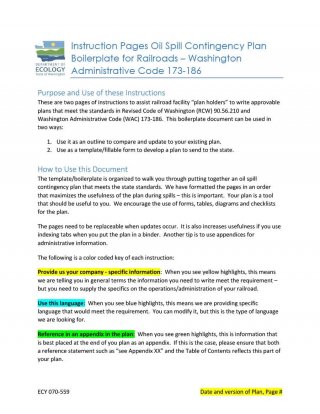
Elementary Contingency Plan Template
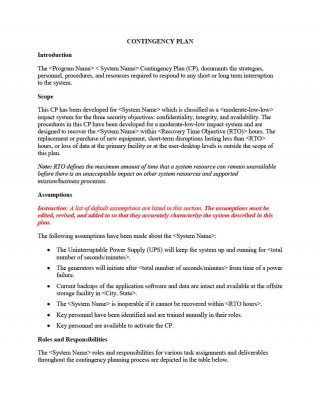
Information System Contingency Plan
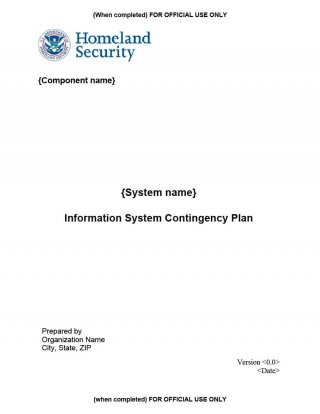
Blank Contingency Plan Template
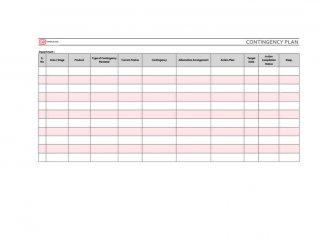
Stylish Contingency Plan Template
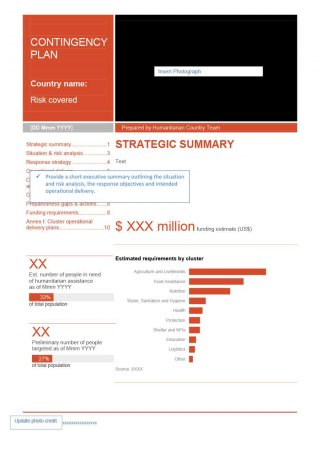
State Airspace Contingency Plan Template
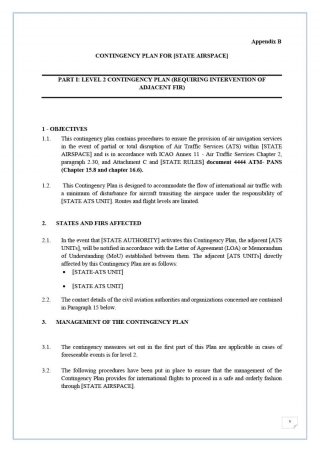
Sample Information System Contingency Plan
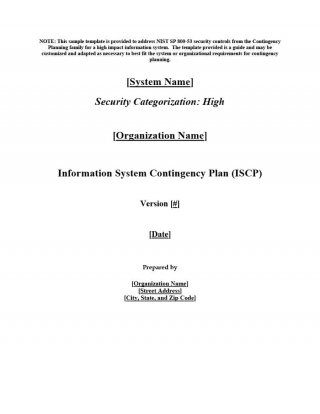
Detailed Contingency Plan Example
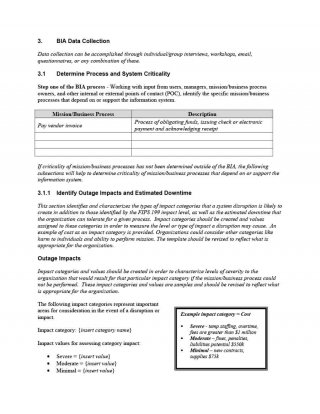
Basic Contingency Plan Template
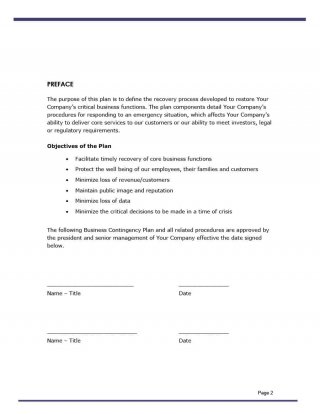
Special Contingency Plan Template
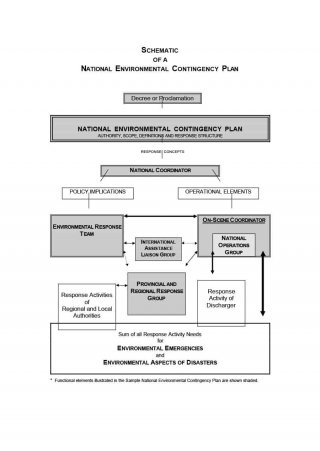
Simple Contingency Plan Template
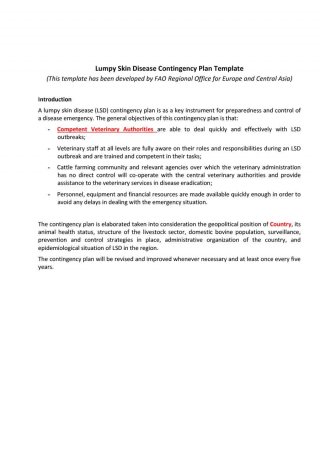
Preparing a Contingency Plan
If you want to prepare a contingency plan for your business, following are some useful tips:
- To prepare an effective contingency plan, a formal policy is compulsory which provides necessary guidance and authority.
- Make sure to search, identify and prioritize the available resources throughout the organisation for this purpose.
- It is good practice to conduct a business impact analysis, which helps the organization identify and prioritize the components critical to its business functions.
- Hold meetings with the organization’s executives and employees to analyze how events and circumstances could affect your available resources. Also identify any potential risks. You can get advice from a consultant or specialist to help identify risks and threats.
- Make sure that you have identified all of the preventive controls of the business.
- Create strong and effective contingency strategies to make sure that recovery can be made efficiently following a severance.
- Once you have prepared a formal contingency plan, run proper training and exercises on it to train recovery personnel and make them more efficient when they are needed.
- Ensure that the contingency plan is regularly updated according to different events and circumstances.
Contingency Plan Samples
Sample Contingency Plan Approval

Simple Contingency Plan Template

Business Contingency Plan Template
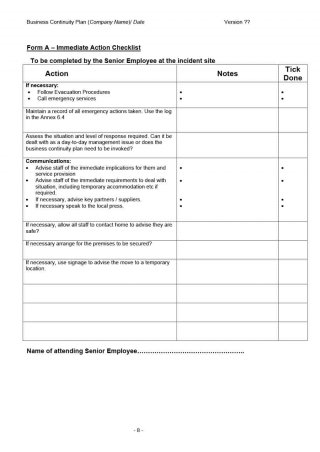
Oil Spill Contingency Plan Sample
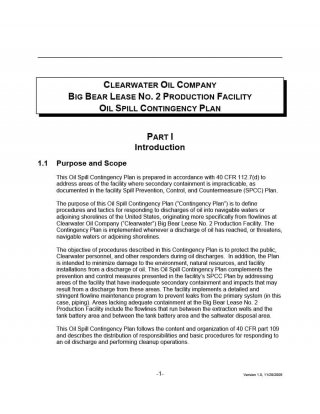
Official Contingency Plan Template

I.T Contingency Plan Template
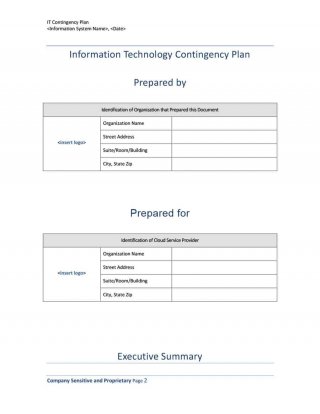
Venue Contingency Plan Template
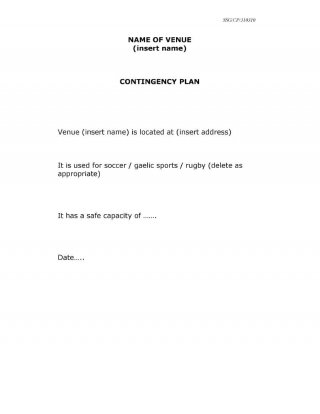
Brief Contingency Plan Template
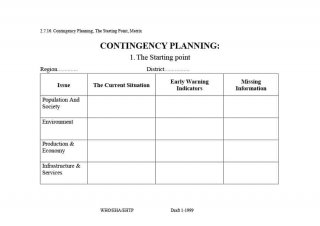
Detailed Contingency Plan Template
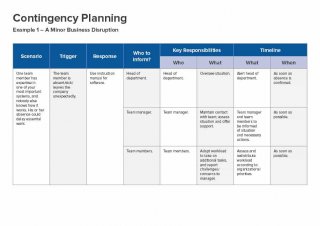
Professional Contingency Plan
I.T Contingency Plan Template
Columnar Contingency Plan Example
Summarized Contingency Plan Template
Organization’s Contingency Plan Template
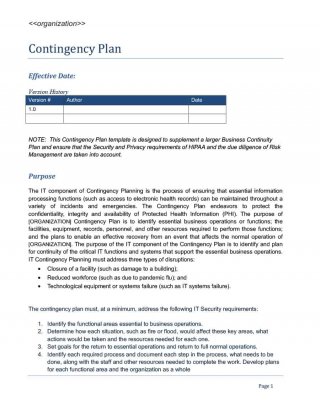
Contingency Plan Example

Sample Contingency Plan

Small Business Contingency Plan Template
Formal Information System Contingency Plan
What to Include in a Contingency Plan
- Risks or scenarios covered
- Triggers that activate the plan
- Response actions step by step
- Roles, responsibilities and contact list
- Resources and backup suppliers
- Recovery steps and testing schedule
Tips for Using These Contingency Plan Templates
Focus on the scenarios most likely to disrupt your work. Test the plan with a short exercise at least once a year. For a structured review of operational readiness, WordNExcelTemplates’ business continuity plan checklists can support the wider continuity arrangements around the contingency plan.
How to Choose the Right Contingency Plan Template
Start with the event that could interrupt your organization, not with the appearance of the page. A contingency plan template for an IT outage should identify systems, recovery responsibilities and backup procedures. A supplier disruption plan should name alternate vendors and purchasing authority. An event or venue contingency plan might cover severe weather, equipment failure, medical incidents and how attendees will receive instructions. A template is useful only when its sections match the decisions people will need to make during that event.
There is an important difference between a risk register and a contingency plan. A risk register tracks possible problems, their likelihood, impact and ownership. The contingency plan explains what people will do when a defined problem occurs. A business continuity plan usually addresses how critical operations continue across a wider disruption. These documents can work together, but a list of risks is not a substitute for specific response steps.
What Every Actionable Contingency Plan Needs
- Scenario and scope: describe the disruption in plain language. Identify the people, processes, locations or systems affected and state what the plan does not cover.
- Activation trigger: define the condition that starts the response, such as an extended service outage, a facility closure or confirmation that a supplier cannot deliver by a critical deadline.
- Decision owner: name the person or role authorized to activate the plan and identify an alternate if that person is unavailable.
- Immediate safety actions: make protecting people the first priority for scenarios that could cause physical harm. Emergency services and local safety procedures take precedence over business recovery.
- Step-by-step response: list actions in the order they should occur, including escalation, temporary workarounds and who records each decision.
- Communication: identify affected staff, customers, partners or regulators and specify who communicates with each group through which channels.
- Required resources: identify backup equipment, critical documents, suppliers, alternate locations and access arrangements that make the plan workable.
- Recovery criteria: describe how the team will decide normal operations can resume, what testing is required and who signs off on the transition.
- Ownership and review: record when the plan was approved, who maintains it and what events trigger a review.
How to Write a Contingency Plan Step by Step
Step 1: Identify critical activities. Ask which services would cause the greatest harm or financial disruption if unavailable. Consider employee safety, customer commitments, legal obligations, information systems, suppliers and cash flow. Focus first on the scenarios for which advance planning can meaningfully reduce the consequences.
Step 2: Describe a realistic event. Instead of “technology failure,” write a scenario such as “the order-management system cannot accept new orders for more than two hours.” This level of detail makes it easier to define triggers, responsibilities and workarounds. Do not assume every incident will follow the exact predicted sequence; leave room for an incident lead to make informed decisions.
Step 3: Choose an activation threshold. A trigger could depend on duration, severity, loss of capacity or a formal notice from an external provider. Specify who can declare the event and how that decision is recorded. If immediate safety action is needed, do not delay it while waiting for routine management approval.
Step 4: Assign actions to roles. “Notify everyone” is not an actionable instruction. Specify the person responsible for creating the message, the approval required if any, the delivery method and the intended audience. Provide alternate contacts because the primary responder may also be affected by the disruption.
Step 5: Set recovery priorities. Decide which functions return first. In an office outage, restoring emergency communications and access to essential records may be more urgent than restarting noncritical reporting. In a supplier failure, verifying a replacement supplier’s quality and delivery capability may matter as much as speed.
Step 6: Test and refine. Walk through the plan with the people who would implement it. Ask whether the contact list is current, whether backup arrangements exist and whether steps depend on equipment or systems that the incident could disable. Record the gaps and assign owners to resolve them.
Contingency Planning Examples
IT System Outage
Suppose a booking system stops working during business hours. The plan might identify who confirms the outage, how the team contacts its hosting or software provider, what temporary process staff use to record requests, how duplicate entries are prevented and who authorizes the return to normal operation. If customer data could be compromised, additional incident-response and reporting obligations may apply. A backup is useful only if recovery procedures have been tested and the needed people can access it.
Critical Supplier Failure
Imagine that the only supplier of an essential component cannot deliver for several weeks. A practical plan identifies approved substitutes, minimum inventory, purchasing authority, quality checks and who informs customers of any delays. It should also explain how to avoid placing urgent orders with an unverified supplier whose product may be unsuitable or unsafe. For a regulated product, substitution may require additional approvals.
Event or Venue Disruption
For a conference, the plan may distinguish between an equipment problem, a transport disruption and a serious safety incident. It can assign responsibility for pausing the event, alerting attendees, coordinating with the venue and communicating alternative arrangements. Evacuation and emergency medical procedures should follow the venue’s approved safety plan and local requirements rather than a generic downloadable form.
Short-Term Cash Shortage
A financial contingency plan might identify upcoming obligations, available cash reserves, authorized financing options and how management prioritizes essential payments. It should define when decision-makers receive updated forecasts. It should not promise that a particular financing source will be available during a crisis; verify real options and any contractual restrictions beforehand.
Communication and Responsibility During a Disruption
Keep the communications plan simple enough to use under pressure. Prepare a short initial message that states the known facts, what people should do now, when another update is expected and where reliable information will appear. Avoid speculation about the cause or recovery time. A customer-facing explanation can be different from the technical details used internally, but both must be accurate.
Use role-based contacts where possible rather than depending solely on one individual’s mobile number. Store contact lists securely and keep emergency access arrangements current. If a serious incident triggers legal or regulatory reporting, ensure the plan identifies who is responsible for seeking appropriate advice and meeting applicable deadlines.
Testing Your Plan Before an Emergency
A tabletop exercise can be a short meeting in which a facilitator presents a fictional incident and the team walks through its decisions. Ask where the first alert comes from, who has authority to activate the plan, how backup contacts are reached, what resources are needed and how recovery will be confirmed. Record any points at which the team cannot answer or the plan assumes unavailable resources.
For technical systems, a more hands-on recovery test may be appropriate, but coordinate testing so it does not create unnecessary production risk. After each exercise or actual disruption, note what worked, what failed and which changes have an owner and deadline. A tested two-page plan is often more useful than a lengthy document no one has practiced.
Common Mistakes to Avoid
Vague actions: replace “resolve the problem promptly” with decisions and steps that can actually be carried out. Outdated contacts: verify phone numbers, suppliers and staff roles during each review. One plan for every risk: a generic checklist cannot address every safety, operational and technical scenario. No recovery endpoint: define how to confirm normal operations have resumed before declaring success.
Unrealistic backups: a second supplier or alternate system may need setup, training, capacity checks and agreements before it is usable. Unclear ownership: specify who activates the plan and who maintains it. Unprotected sensitive data: share incident details and contact information only with people who need them. No rehearsal: revise the document after testing rather than filing it away unchanged.
Contingency Plan Review Checklist
- The scenario, activation trigger and responsible roles are clear.
- Safety priorities and escalation procedures are identified.
- Contacts and backup resources have been verified.
- Staff know where to find the plan during an outage.
- Temporary processes and recovery steps have named owners.
- The organization has practiced the response where appropriate.
- The latest revision and next review date are recorded.
Use these free contingency plan templates as adaptable starting points. The final plan should reflect your actual people, facilities, technology, legal duties and risks; a downloaded document cannot replace local emergency procedures or a tested operational response.
Prioritizing Contingency Plans by Risk
Use the template that fits the underlying activity and the information you actually need to record. Here are practical distinctions that help when reviewing the available designs:
Technology outage
Define backup systems, recovery responsibilities and communications.
Supply chain disruption
Identify alternative suppliers and minimum stock levels.
Severe weather incident
Specify safety actions, decision authority and evacuation or shelter arrangements.
Key-person absence
Document delegations and access to essential operational information.
Before You Finalize the Template
- Choose a trigger that makes the contingency plan activate.
- Assign an accountable owner and a backup owner.
- Practice the plan and record lessons learned.
- Review assumptions when suppliers, systems or locations change.
Related Templates
- Safety Plan Templates
- Risk Analysis Templates
- Equipment Maintenance Log Templates
- Risk Register Templates
Frequently Asked Questions
How is a contingency plan different from a business continuity plan?
A contingency plan commonly addresses a defined disruption or scenario. Business continuity considers how priority activities will continue or recover. The documents should fit together, with clear activation, responsibility and recovery arrangements.
When should a contingency plan be reviewed?
Set a regular review cycle and review sooner after material changes, incidents or exercises. Confirm that contacts, resources and assumptions remain accurate rather than waiting for a fixed date.
How can I test a plan without a real incident?
Use a proportionate exercise such as a scenario discussion or a controlled test led by the responsible people. Record what was tested, the limitations, lessons and assigned follow-up actions; an untested document is not proof of readiness.
