
A communication plan sets out who needs to hear what, through which channel, how often and from whom. Project managers use one to keep stakeholders informed, HR and leadership teams use it to roll out changes to staff, and public bodies use it to plan how they share news or health information.
The 40 communication plan templates on this page cover a project communication plan, a management plan, a company-wide plan, a group plan, a research plan and one built for a health board. A simple version and a communication plan example are also included. Each works as a communication strategy template you can edit to fit your audience.
Plan around what each group needs from you, not around the channels you already use. Then review the plan at every project milestone, because audiences and priorities change as work moves on.
A communication plan works alongside other project documents. You can also check out our meeting minutes templates, team charter templates to agree roles, and business memo templates for formal updates.
Professional Communication Plan Templates
Project Communication Plan Template

Management Communication Plan Template

Company’s Communication Plan Template
Research Communication Plan Template

Simple Communication Plan
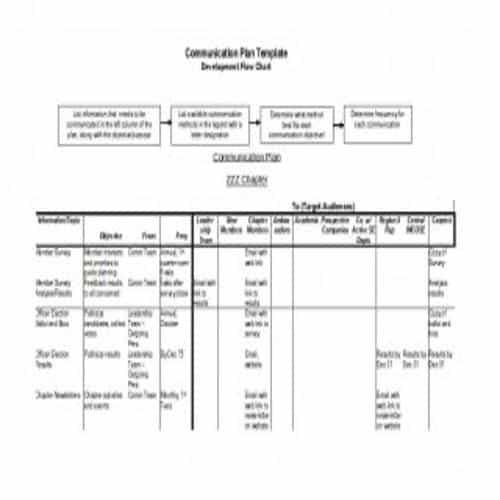
Group Communication Plan Template

Sample Communication Plan Template
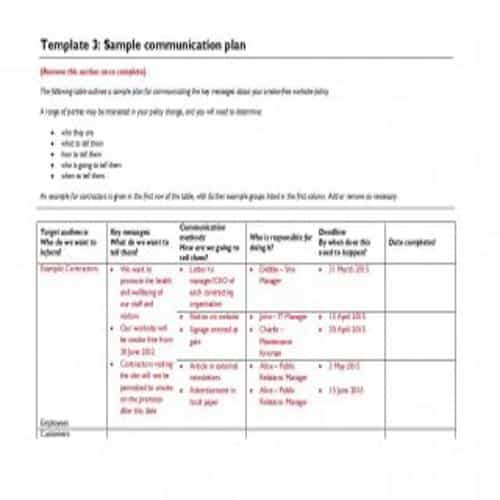
Health Board Communication Plan Template
Specific Communication Plan
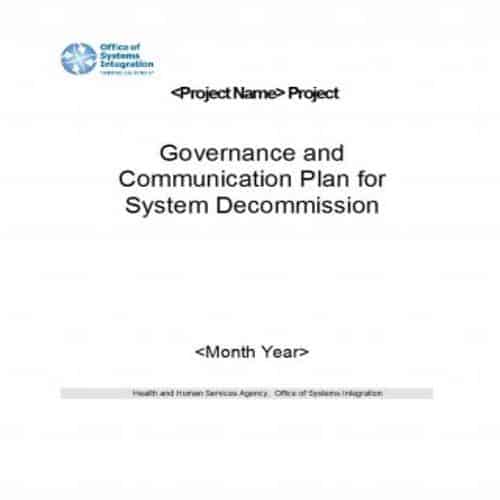
Usual Communication Plan Template
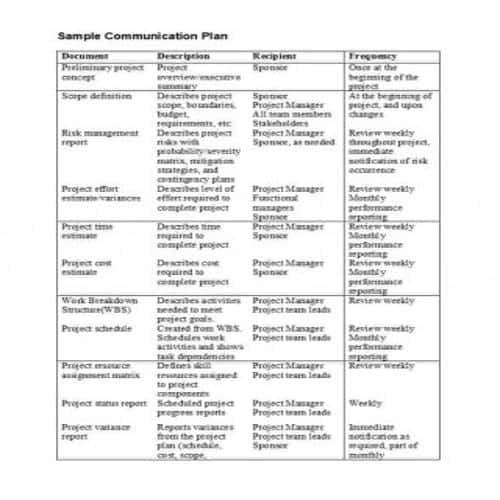
Exclusive Communication Plan Template
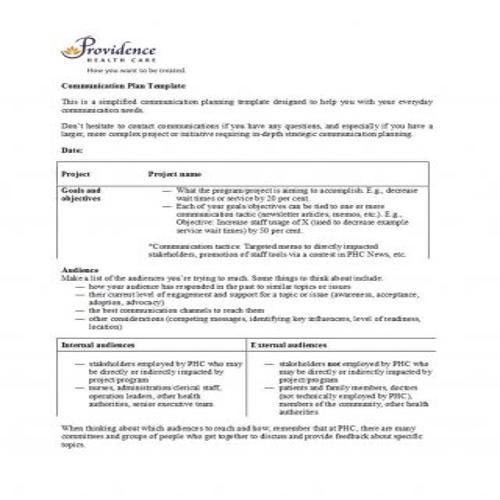
Executive Communication Plan Template
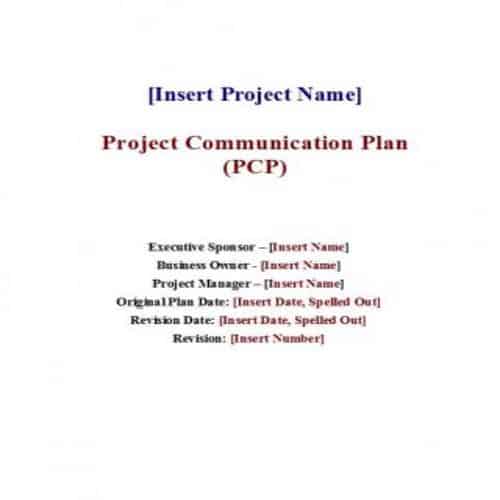
Bureau Communication Plan Template

Emergency Communication Plan Template
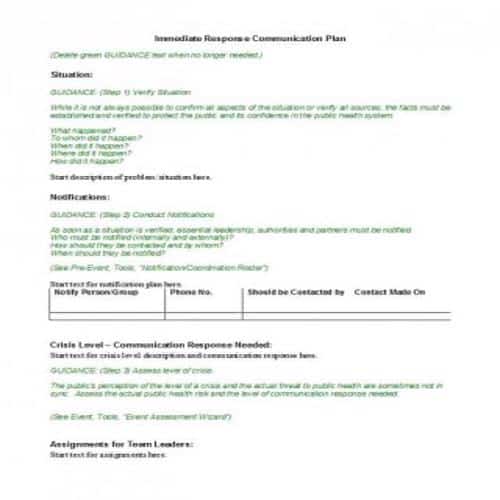
Typical Communication Plan Template
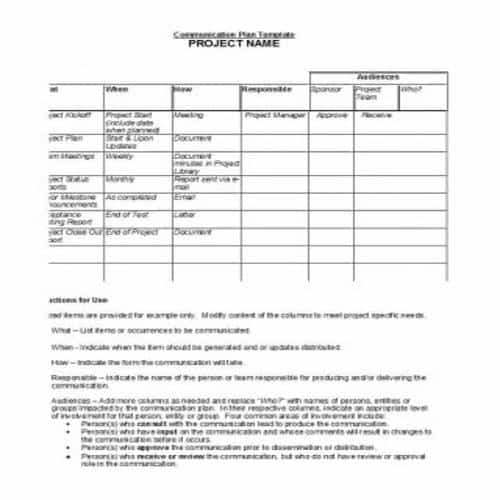
State Project Communication Plan Template

Cabinet Communication Plan Template
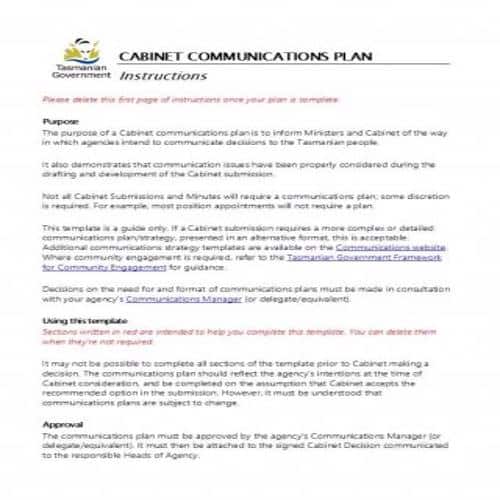
Comprehensive Communication Plan Template
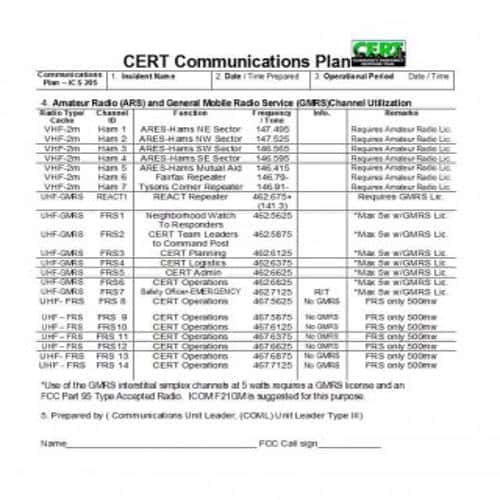
Elementary Communication Plan Template
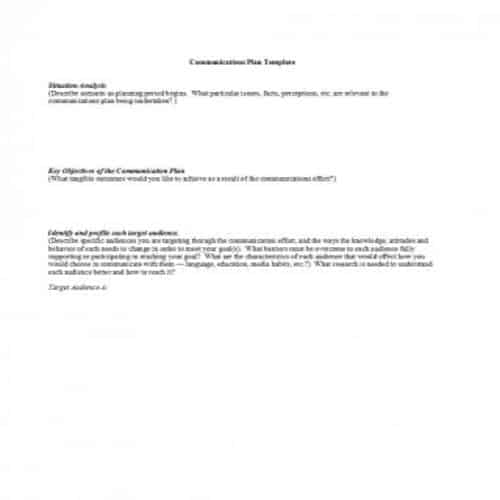
Enterprise Communication Plan Template

Creating an Effective Communication Plan
An effective communication plan determines what information needs to be communicated to particular segments of the audience. It also decides who has the authority to communicate confidential information. It should also explain the communication channels stakeholders can use to give feedback to the organization.
A communication plan acts as a guide for communicating your message to the audience. It ensures that the organization sends a clear and specific message with calculated results. Creating an effective communication plan template takes time and usually involves the following six steps:
1. Analyze the situation:
Evaluate your current position in terms of communications. Gather and properly analyze all the relevant information within the organization. Conduct a communication audit by:
- Performing surveys.
- Formation of focus groups.
- Discussions with communication staff.
- Communicating with other departments within the business.
2. Objectives:
After collecting and analyzing the relevant information and data, set and define objectives for your overall communications. Questions like what you want to achieve and why you want to implement the communication plan will help you set your goals and objectives. Keep in mind that your objectives must be SMART:
- Specific
- Measurable
- Achievable
- Realistic
- Time focused
3. Audience:
After setting objectives, identify your key audience. You should know exactly who you want to communicate your messages to. Make a complete list of all the key audiences of your organization, which can include:
- Clients or customers.
- Members.
- Non Members.
- Officials of local government.
- Associates.
- Media Representatives.
4. Set the time:
Carefully prepare a timeline so that you can achieve your objectives on time. Based on your analysis and resources, set proper timing to implement your communication plan step by step.
5. Media Channels:
Plan to communicate your messages through different media channels. Analyze and identify which channels will communicate your messages most effectively to the target audience.
6. Check the results:
Finally, evaluate your results to check whether you have achieved your goals and objectives. Feel free to amend the communication plan if you are not satisfied with the results. You can evaluate the results from:
- Monthly reports.
- Annual reports.
- Departmental reports.
- Progress reports.
More Communication Plan Templates
Network Communication Plan
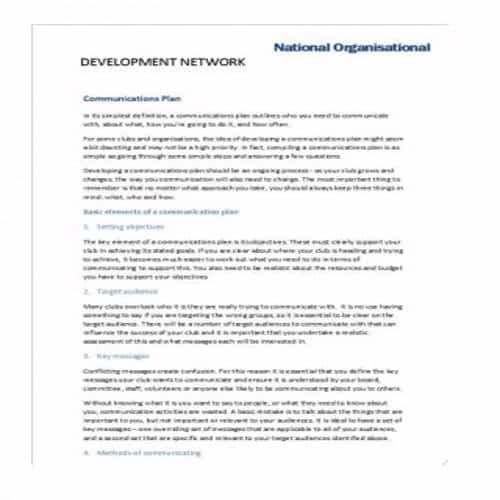
Brief Communication Plan Template
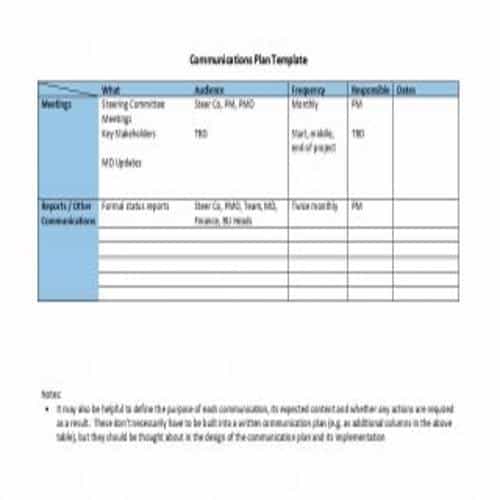
Updated Communication Plan Template
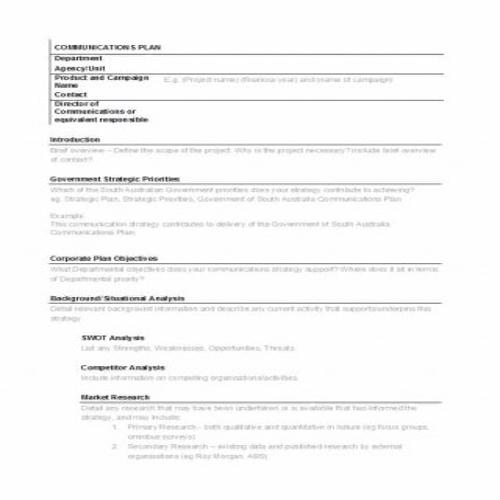
Useful Communication Plan Template
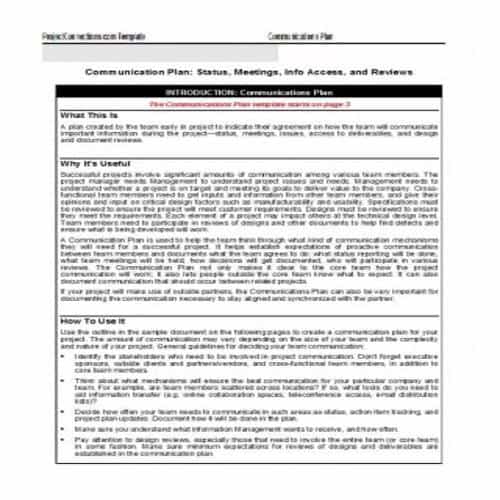
Formal Communication Plan Template

Unique Communication Plan Template
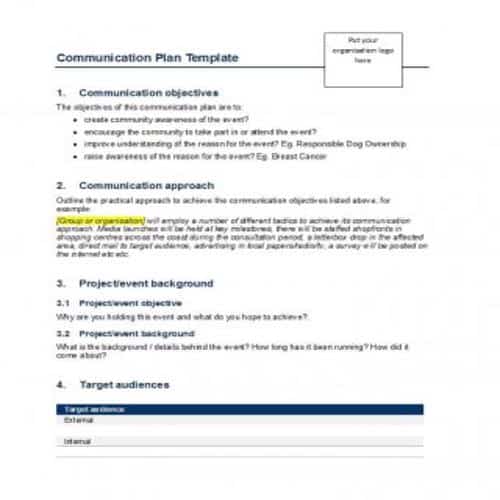
Informative Communication Plan Template
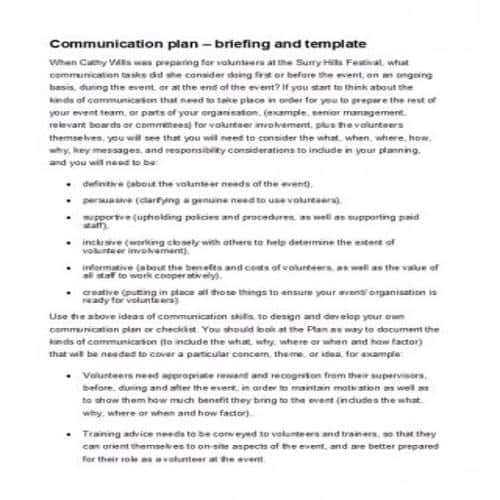
Approved Communication Plan Template
Illustrative Communication Plan Template
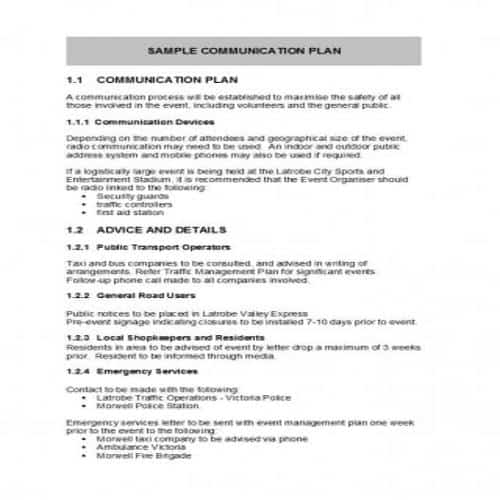
Verified Communication Plan Template
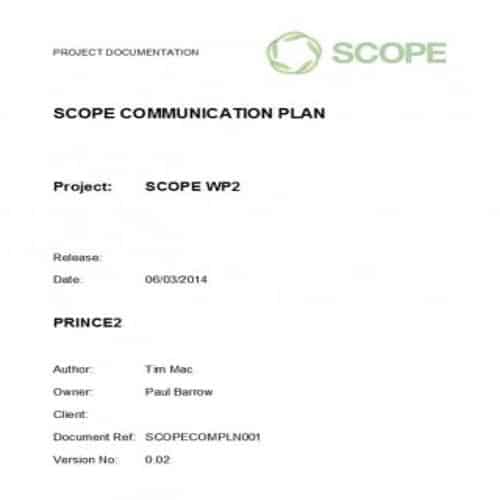
Routine Communication Plan Template

Example Communication Plan Template

Proper Communication Plan Template
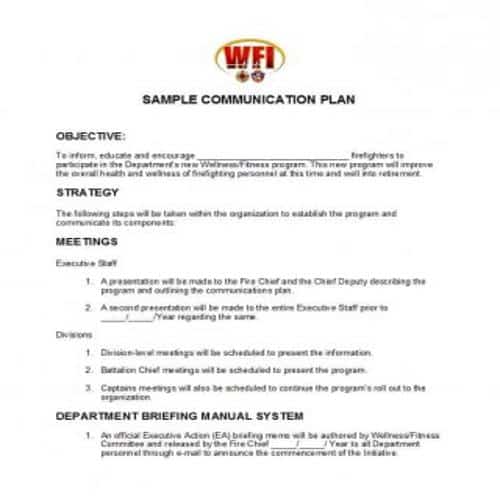
Effective Communication Plan Template
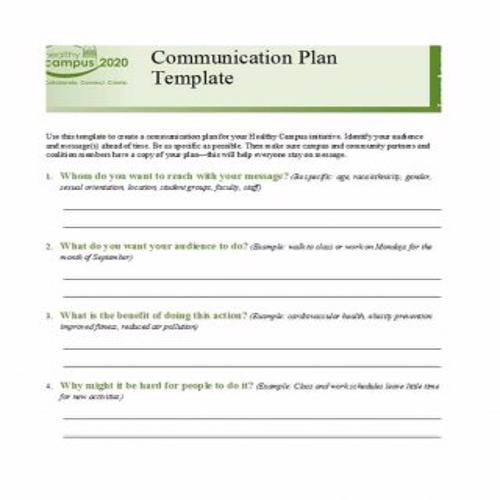
Particular Communication Plan Template
Explanatory Communication Plan Template
Communication Plan Guidelines Template

Company’s Communication Plan Template

Management Communication Plan Template

Significant Communication Plan Template
Matching Project Communications to Decisions
Choose a communication plan that identifies who needs what information and why. A longer distribution list does not necessarily improve understanding. For meetings identified as a communication channel, WordNExcelTemplates’ formal meeting agenda templates can make the discussion purpose and requested decisions clear in advance.
- Identify stakeholders and the decisions or actions they support.
- Set the message, owner, channel and timing for each communication.
- Define escalation and feedback routes, then review effectiveness.
Worked Example
Example: the sponsor needs a monthly decision summary, while the delivery team needs frequent blocker updates. Sending the same detailed task spreadsheet to both may leave the sponsor without a clear decision request and the team without timely coordination.
Common Mistakes to Avoid
Avoid using email copying as a substitute for accountability. Keep confidential information out of broad status updates.
Related Templates
Frequently Asked Questions
Should every stakeholder receive every update?
No. Match detail and timing to responsibilities and information needs, while maintaining required transparency.
How do I know communication is working?
Check whether recipients understand and can act on the message. Delivery statistics alone do not establish that the necessary decision or action occurred.
